Jessica by Louis Loeb
Louis Loeb's 1905 painting, *Jessica*, at The Cleveland Museum of Art, is an example of American Impressionism that stands out for its quiet intensity. Unlike many portraits of its time, it tells no overt story, presenting instead a solitary female figure whose calm, serious expression invites contemplation.
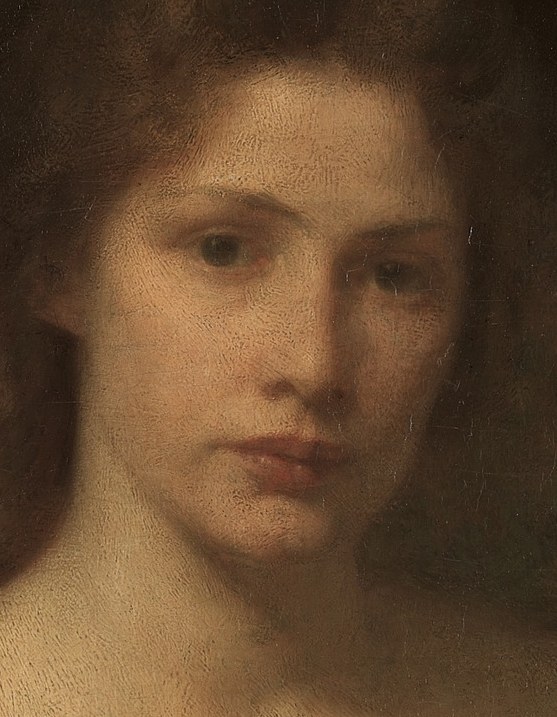
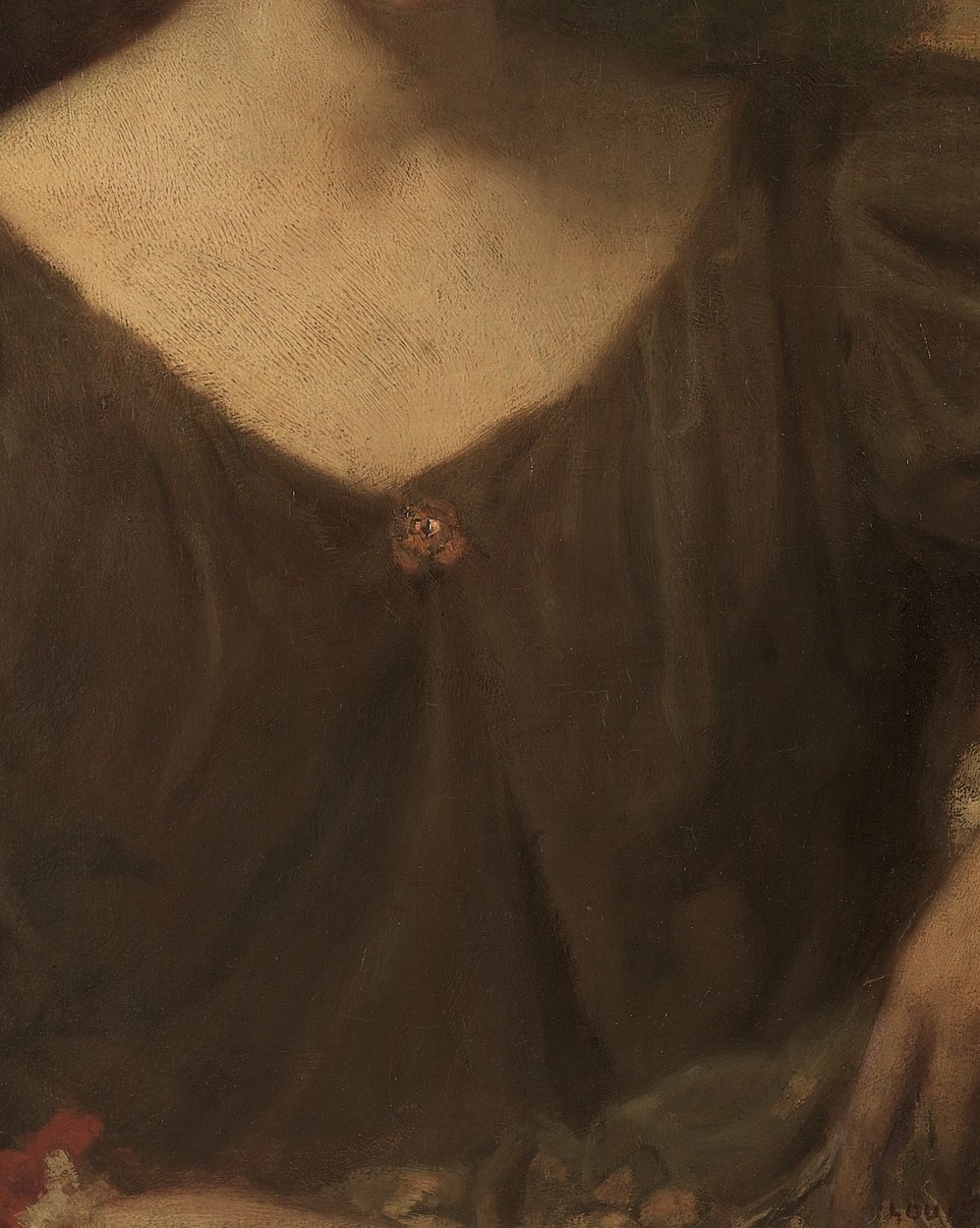
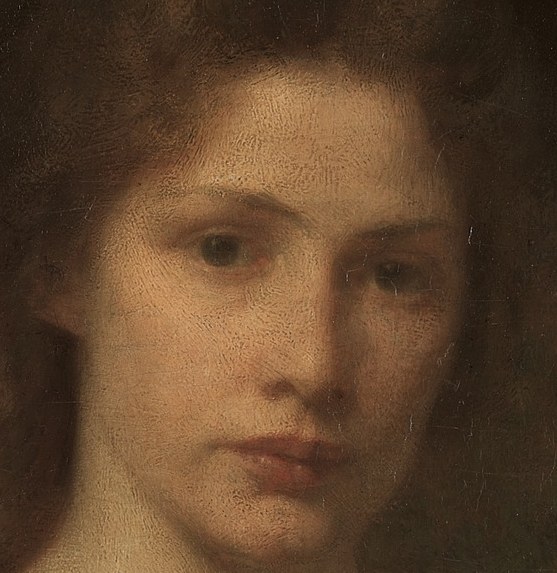
Look closely at the soft, blended brushstrokes in her face and neck. Loeb, known for his illustrations, applied a subdued palette to emphasize her inner demeanor, making the painting's restraint its most striking feature.
During the early 1900s, American artists like Loeb adopted Impressionist techniques to explore light and atmosphere. *Jessica* reflects this trend, blending the movement's loose handling of paint with a more traditional portrait format, creating a work focused on mood rather than narrative.
What do you see in her expression?
Details

Transcript
This painter was well-known for his illustrations. But his portraits, like this one, explore subtle moods. There is no dramatic story told here. Just a woman, calmly inviting your gaze. Loeb used soft, blended brushstrokes to create the calm. This restraint was unusual for its time, 1905.