Promenading on the Ramparts of Copenhagen on the Evening of a Public Holiday in Spring by Andreas Herman Hunæus
Andreas Herman Hunæus’s “Promenading on the Ramparts of Copenhagen on the Evening of a Public Holiday in Spring,” painted in 1862, captures a bustling moment of leisure and community. This oil painting, held at the Statens Museum for Kunst, invites us into a bygone era.
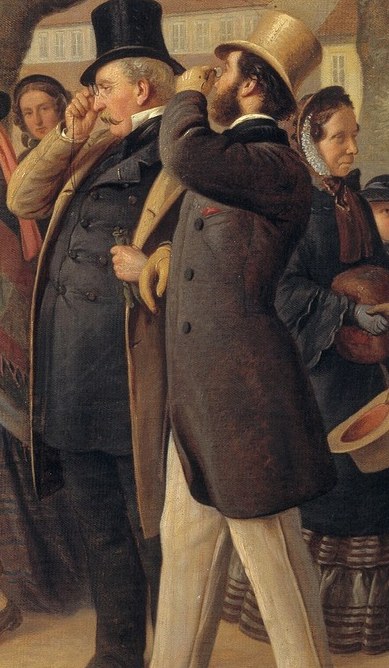
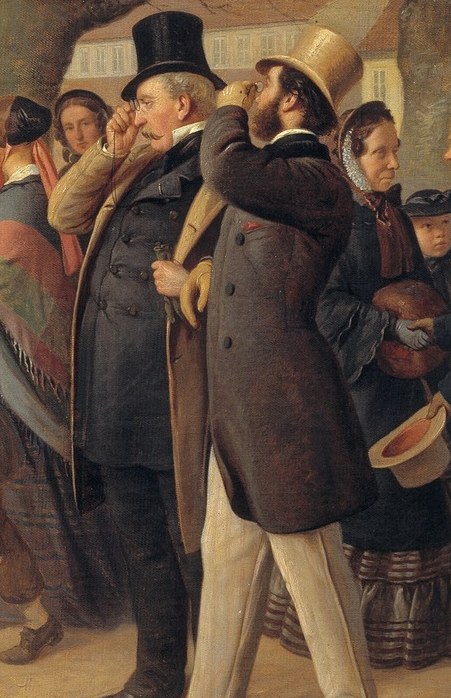
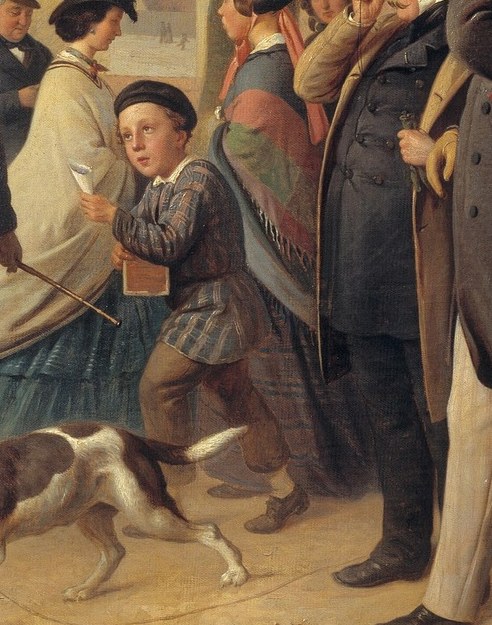
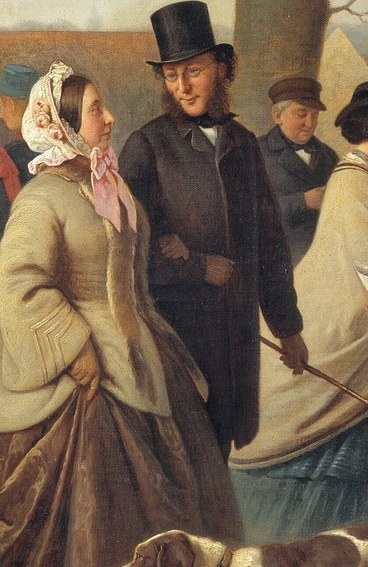
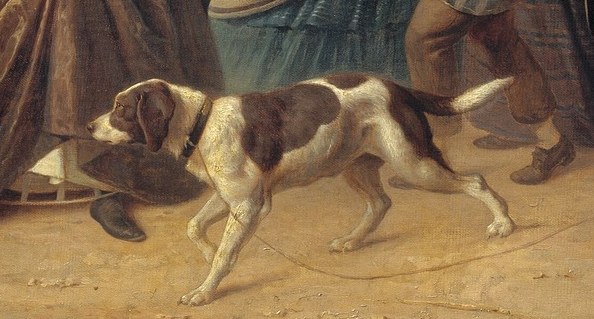
Observe the rich details: from the elegantly dressed woman in brown to the man in the top hat, and the charming boy who seems to meet our gaze. Hunæus expertly renders the light and shadow, bringing depth to each interaction and figure.
The painting offers a vivid snapshot of Copenhagen society enjoying a public holiday on the city’s historic ramparts. Hunæus, a Danish artist, passed away just four years after completing this work, making it one of his later, vibrant contributions that captured the spirit of his time. His meticulous observation of everyday life gives us a window into 19th-century urban leisure.
What details do you notice that bring this scene to life?
Details
Transcript
It's a spring holiday in Copenhagen, 1862. Everyone is out walking the historic ramparts. Families, couples, and friends enjoy the evening. This painter captures every face, every story. Even this boy, curious about us looking back. He died four years after painting this lively scene.