明 吳彬 十六羅漢圖 卷|The Sixteen Luohans by Wu Bin
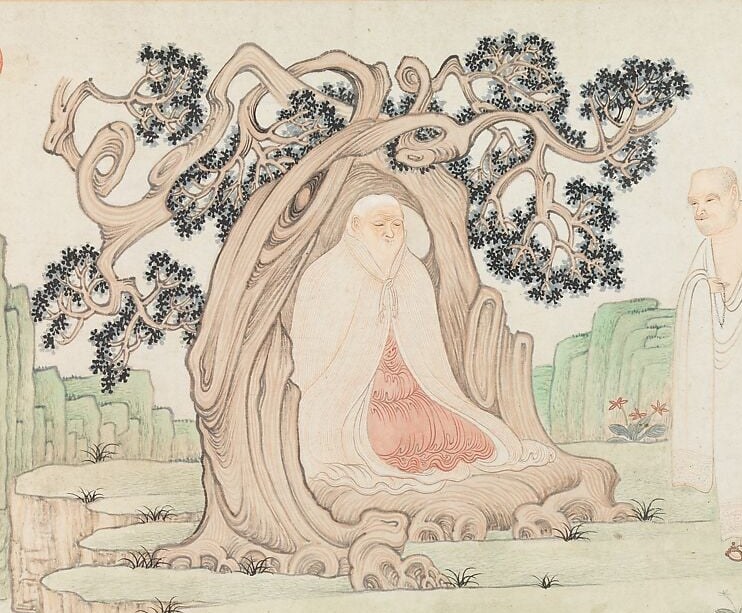
Wu Bin's "The Sixteen Luohans," painted in 1591, is a fascinating religious handscroll from the Ming dynasty, held in a private collection. It presents sixteen revered Buddhist monks, each in a state of serene contemplation. Wu Bin's unique artistic method, reportedly executed without models, makes this work particularly distinctive.
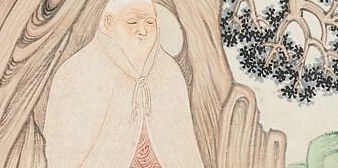
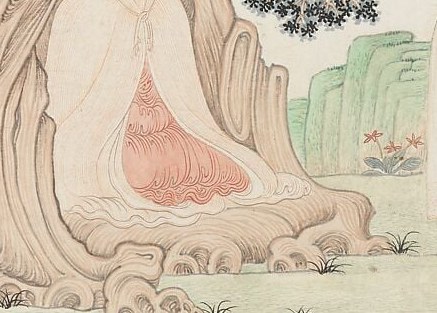
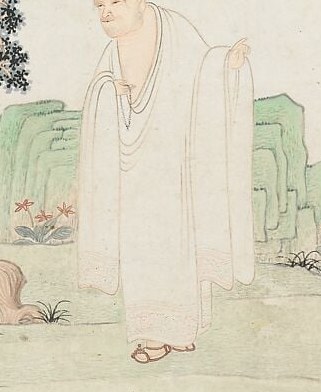
Look closely at the individual monks; their half-closed eyes and peaceful expressions convey a profound inner tranquility. Notice the delicate lines for facial hair and the dynamic brushstrokes that define their flowing robes, creating a sense of both movement and stillness.
The artist, Wu Bin, was active from around 1583 to 1626. His innovative style, combining meticulous detail with expressive brushwork, set him apart from his contemporaries and contributed to the scroll's visual richness and enduring appeal.
What details do you find most captivating in Wu Bin's distinctive interpretation of these spiritual figures?
Details
Transcript
This scroll depicts sixteen Luohans, Buddhist figures who attained enlightenment. Each monk's expression suggests deep peace and meditative introspection. The artist, Wu Bin, completed this in 1591, without models. He used swift, dynamic brushstrokes for the forms and flowing robes. Delicate lines define facial hair, substantial dabs create depth. Wu Bin's innovative approach made his work highly distinctive.