A Banquet by Dirck Hals
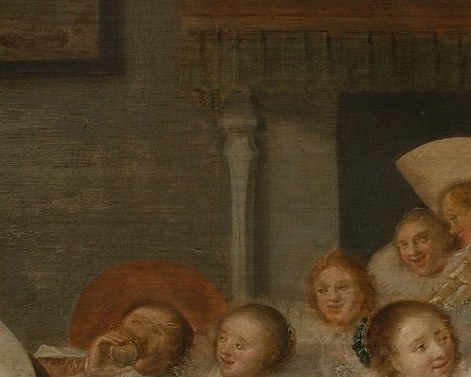
This is a party with a hidden script. Dirck Hals painted 'A Banquet' in 1628, and it lives now at The Metropolitan Museum of Art. On its surface, it is pure Dutch Golden Age revelry: good wine, bright silk, and a roomful of people having a very good time. But 17th-century viewers in Haarlem knew how to read the code in the canvas.
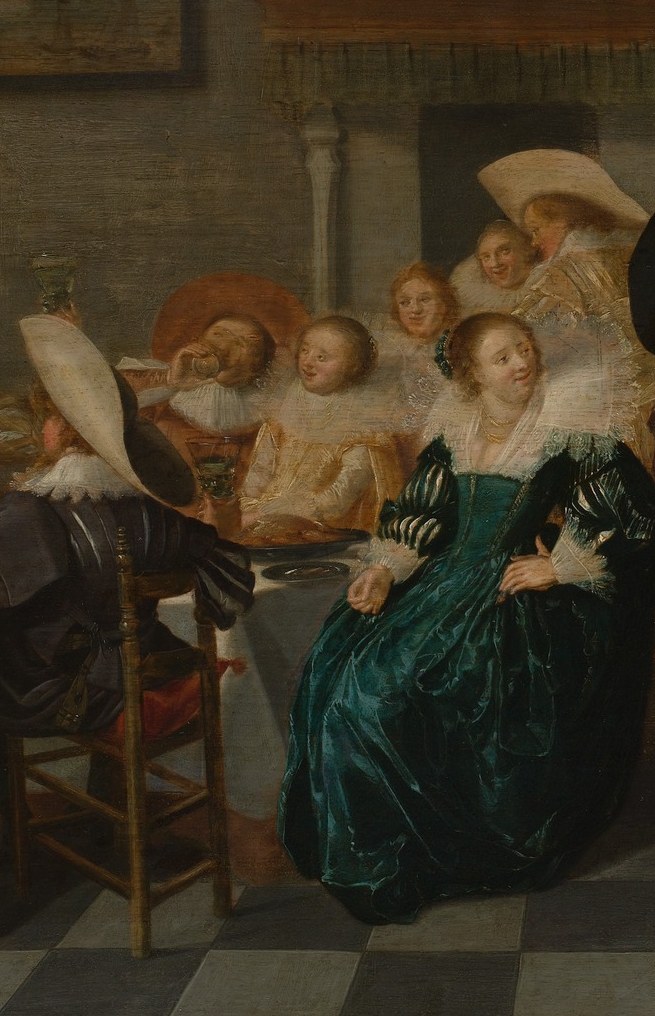
Watch the central woman in the electric green dress. Her open-mouthed laugh is rare in portraiture of the time, and the color of her gown was coded as youth and desire. Behind her, a musician plays; a man in a broad hat leans into her space. Music and close male company in a merry company scene were a well-understood script for seduction.
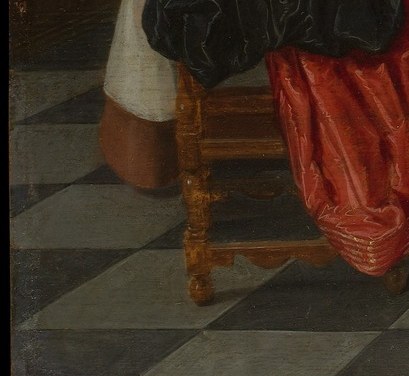
Then your eye drops to the tiled floor. A small dog curls beneath the banquet table. In Dutch genre painting, a dog in this position often signaled baser appetite rather than fidelity. It is a soft footnote, but a damning one. Pleasure is fully on display, and so is the unspoken moral consequence the culture attached to it. Hals, brother of the more famous Frans, made his career painting exactly these scenes: celebrations that reward a careful eye with a gentle warning.
Details
Transcript
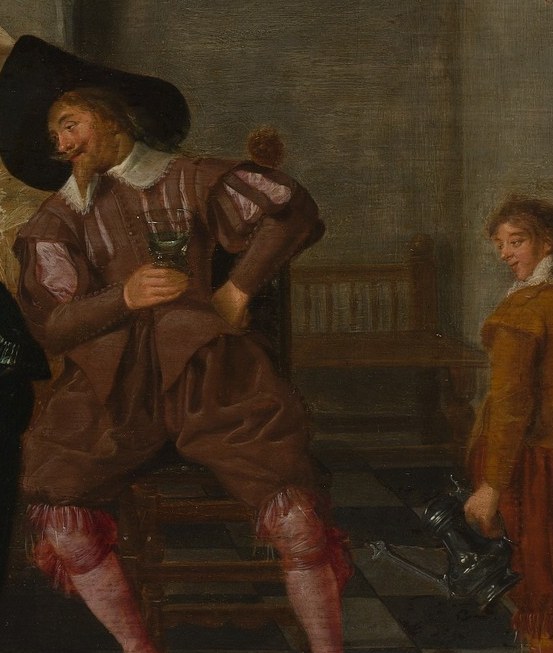
She is laughing. Openly, loudly. Dutch viewers knew this green dress meant spring, youth, desire. The tall wine glasses are a costly prop, not a casual drink. A man leans in. Music plays in back. Both were signs of seduction. Look lower left. A dog curls on the tile floor. In 1628, a dog under a banquet table meant low appetite, not loyalty. Pleasure is on display here, and so is its cost.