The Drunken Couple by Jan Steen
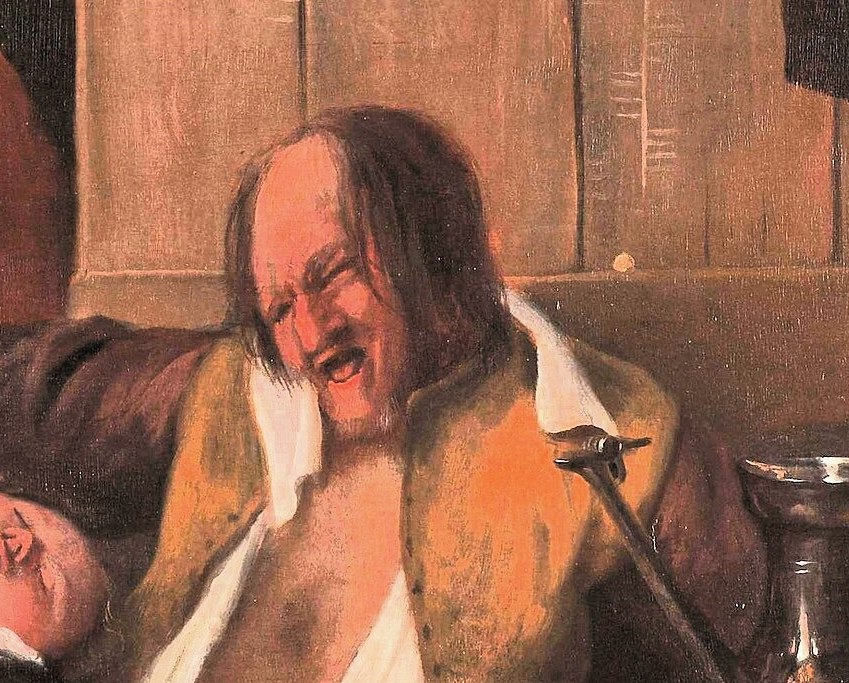
Jan Steen's "The Drunken Couple," painted around 1660 and housed in the Rijksmuseum in Amsterdam, captures a scene of profound inebriation and disarray. Steen was known for his genre paintings that often depicted the lively, sometimes chaotic, everyday lives of the Dutch bourgeoisie, often with a subtle moral commentary.
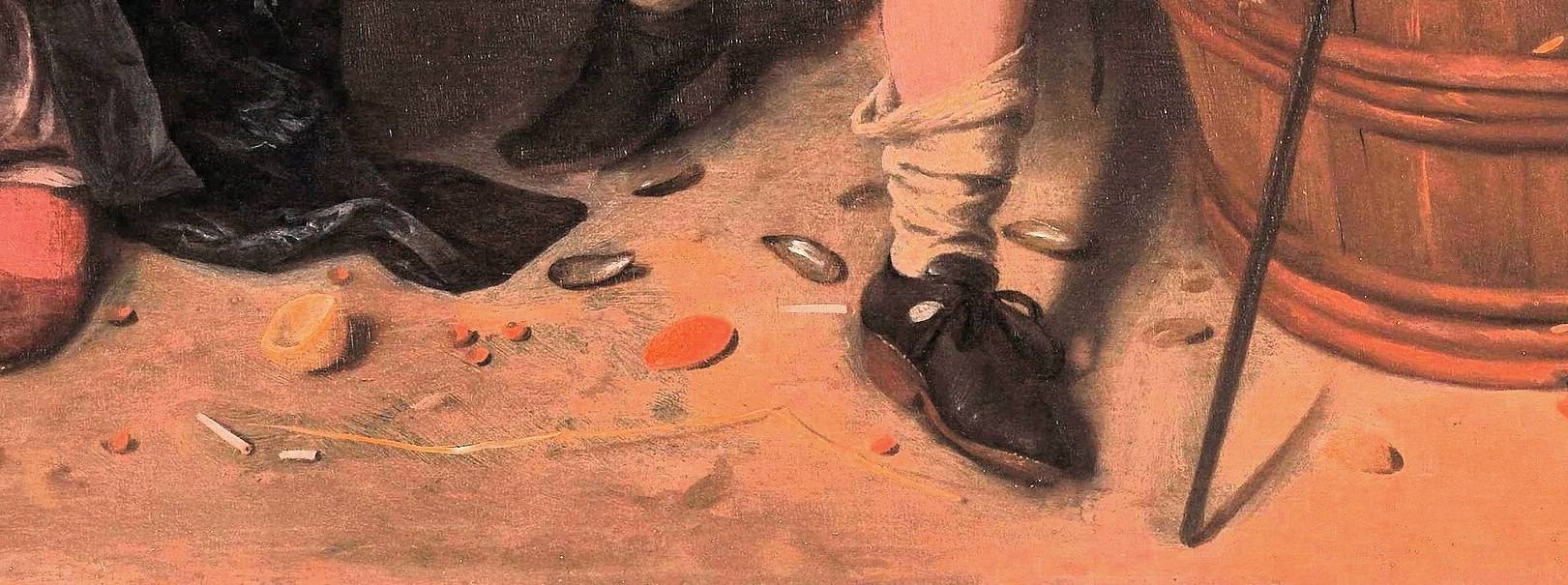
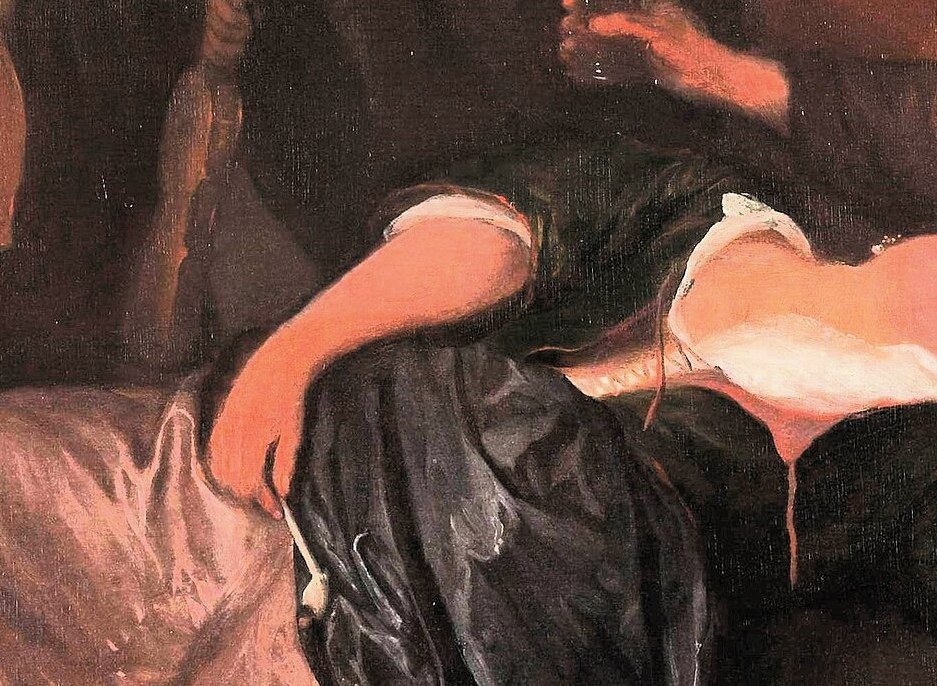
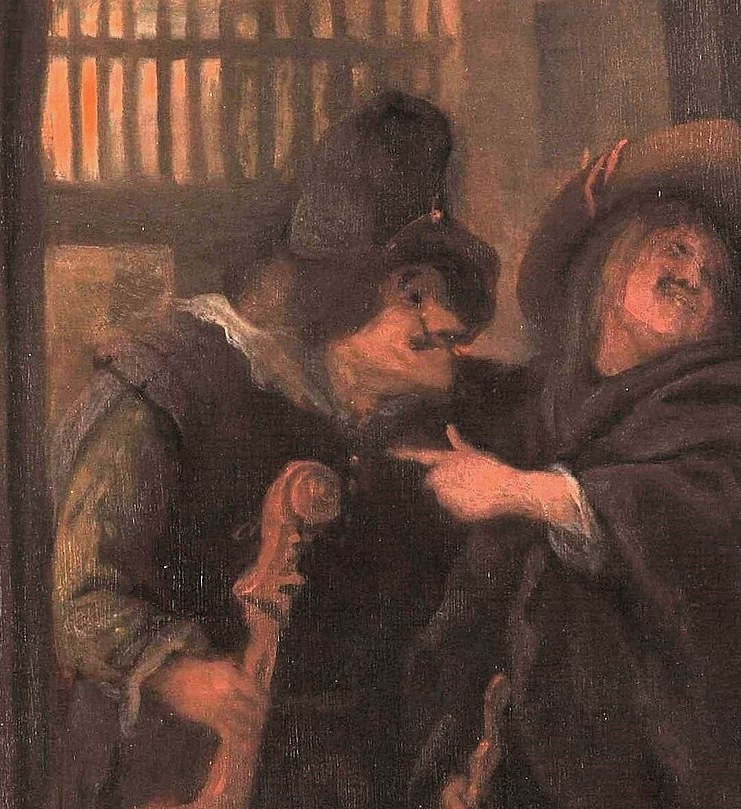
Look closely at the central figures, completely overcome by drink, oblivious to the world around them. The spilled liquids and general mess on the floor add to the sense of disorder. Then, notice the shadowy figure lurking in the background archway, an ominous detail to which the couple is entirely unaware.
Above the drunken pair, a print of an owl reinforces the painting's theme. In the 17th century, the owl was a common metaphor for foolishness and blindness, particularly an inability to see clearly in daylight. Steen uses this symbolism to underscore the couple's lack of perception and the consequences of their excess.
Steen's work invites us to observe human folly, often with a touch of humor, but also with a critical eye. What do you think he wanted his viewers to take away from such a scene?
Details
Transcript
This painter was famous for his lively, chaotic scenes. He often painted the chaos of daily life, like this. This couple is completely overcome by drink. They are oblivious to the people lurking in the background. Above them, an owl print. An old symbol of foolishness. The owl meant being stupid and blind to what was happening.