Jean-Louis-André-Théodore Gericault (1791–1824) by Horace Vernet
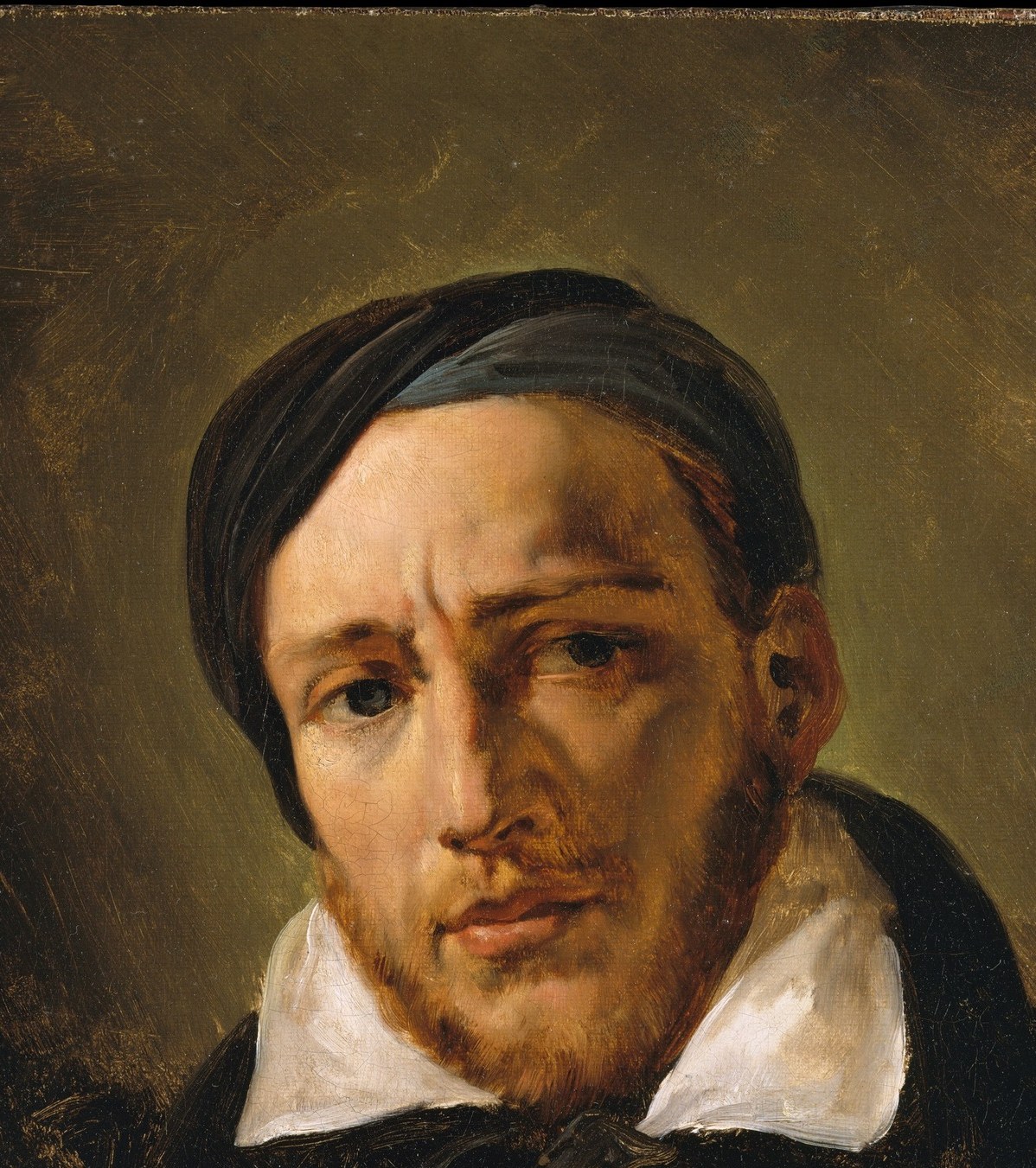
This is Horace Vernet's portrait of Théodore Géricault, painted in 1823. It hangs in the Metropolitan Museum of Art in New York and it is one of the very few likenesses made during the artist's lifetime.
Géricault was twenty-nine here, already famous for The Raft of the Medusa, the enormous, harrowing canvas that had made him the face of French Romanticism four years earlier. But the gaunt cheeks and pallid skin Vernet records are not artistic license. Géricault was dying of consumption, and everyone who loved him knew he did not have long.
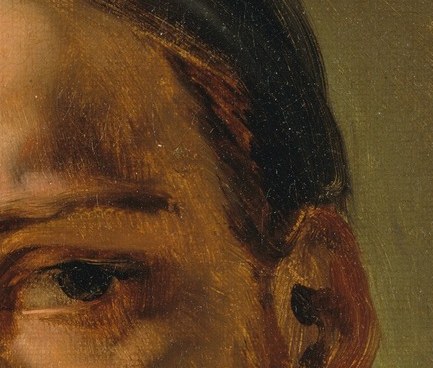
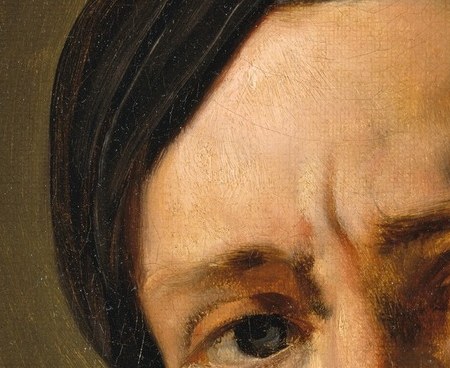
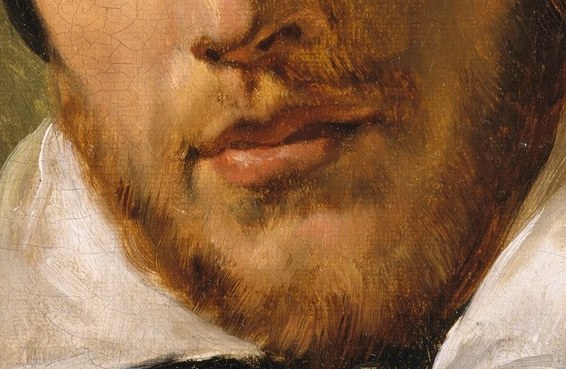
Look at the eyes. The left eye recedes into shadow, the right meets the light directly. The mouth is closed but not at ease. Vernet, a friend as much as a colleague, did not flatter. He painted what was in front of him: a great artist diminished by illness, still alert, still here.
Most images of Géricault were made after his death in 1824 at the age of thirty-two. This one is different. This one is a friend saying goodbye.
Details
Transcript
February, 1823. A painter sits for a friend. His name is Théodore Géricault. Four years earlier, he shook France with The Raft of the Medusa. Now look at the face. The gaunt cheeks and pale skin are not a stylistic choice. He is dying of consumption. He has less than a year. Vernet painted this portrait of a friend he was about to lose.