Boy in a Red Waistcoat by Cezanne, Paul
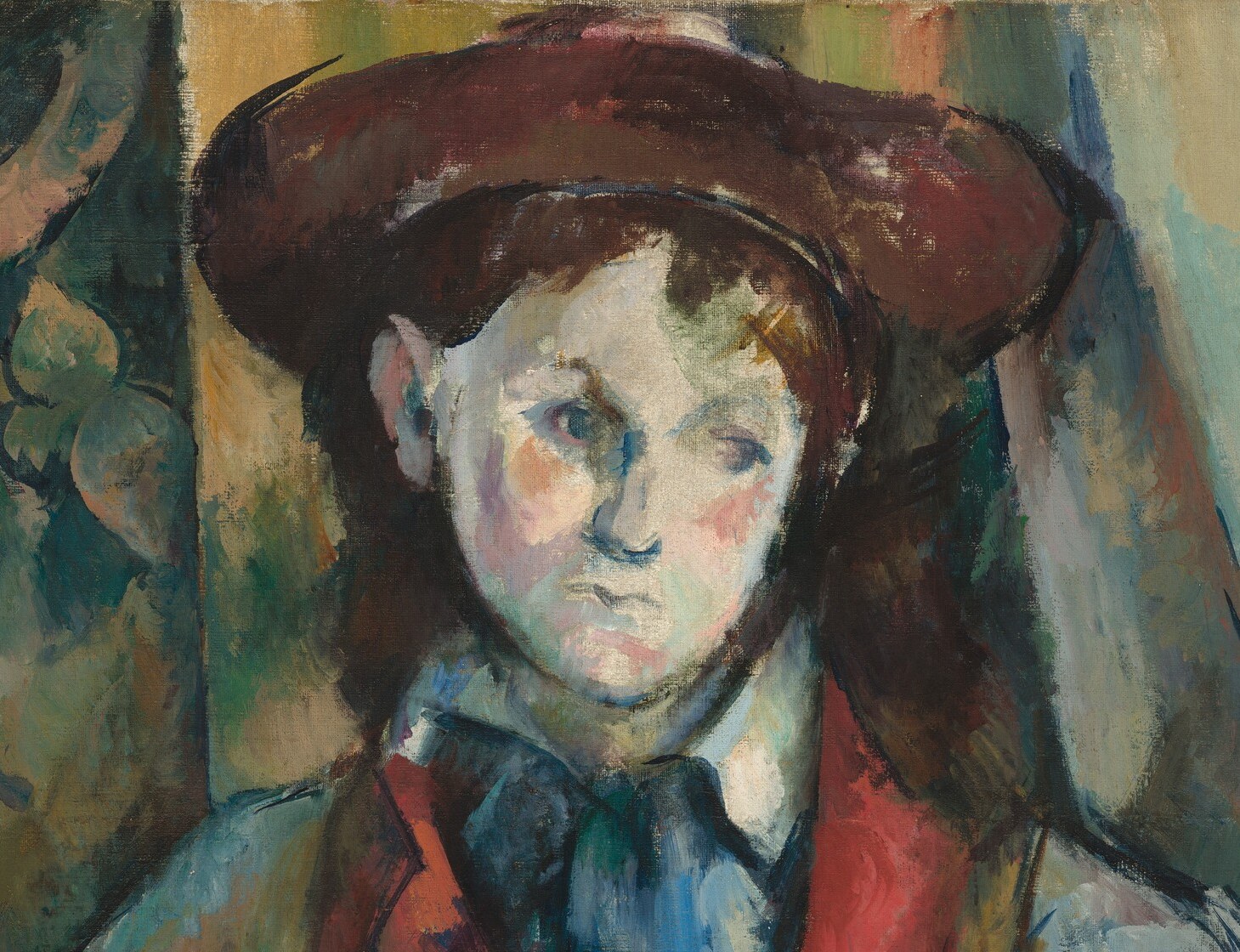
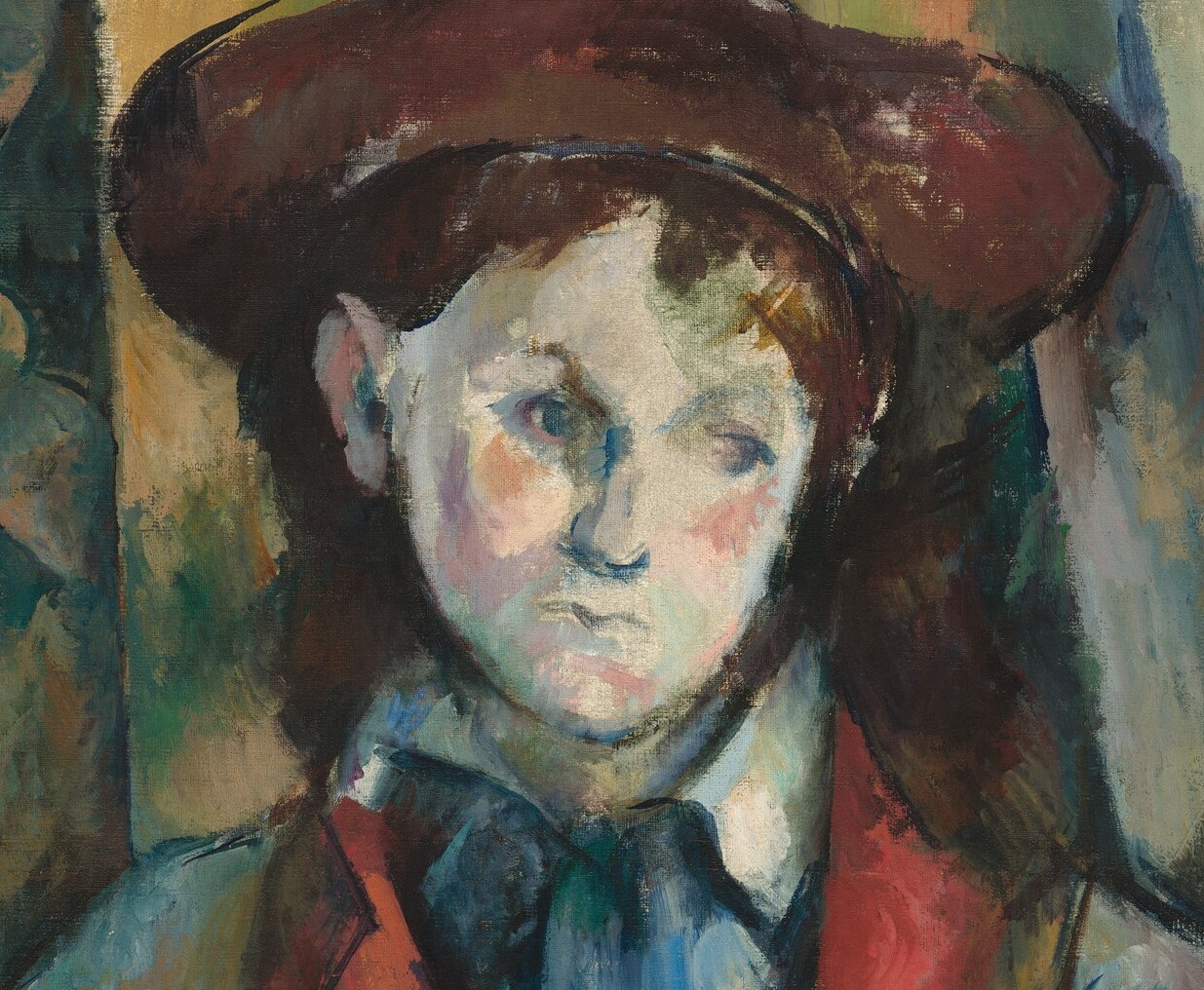
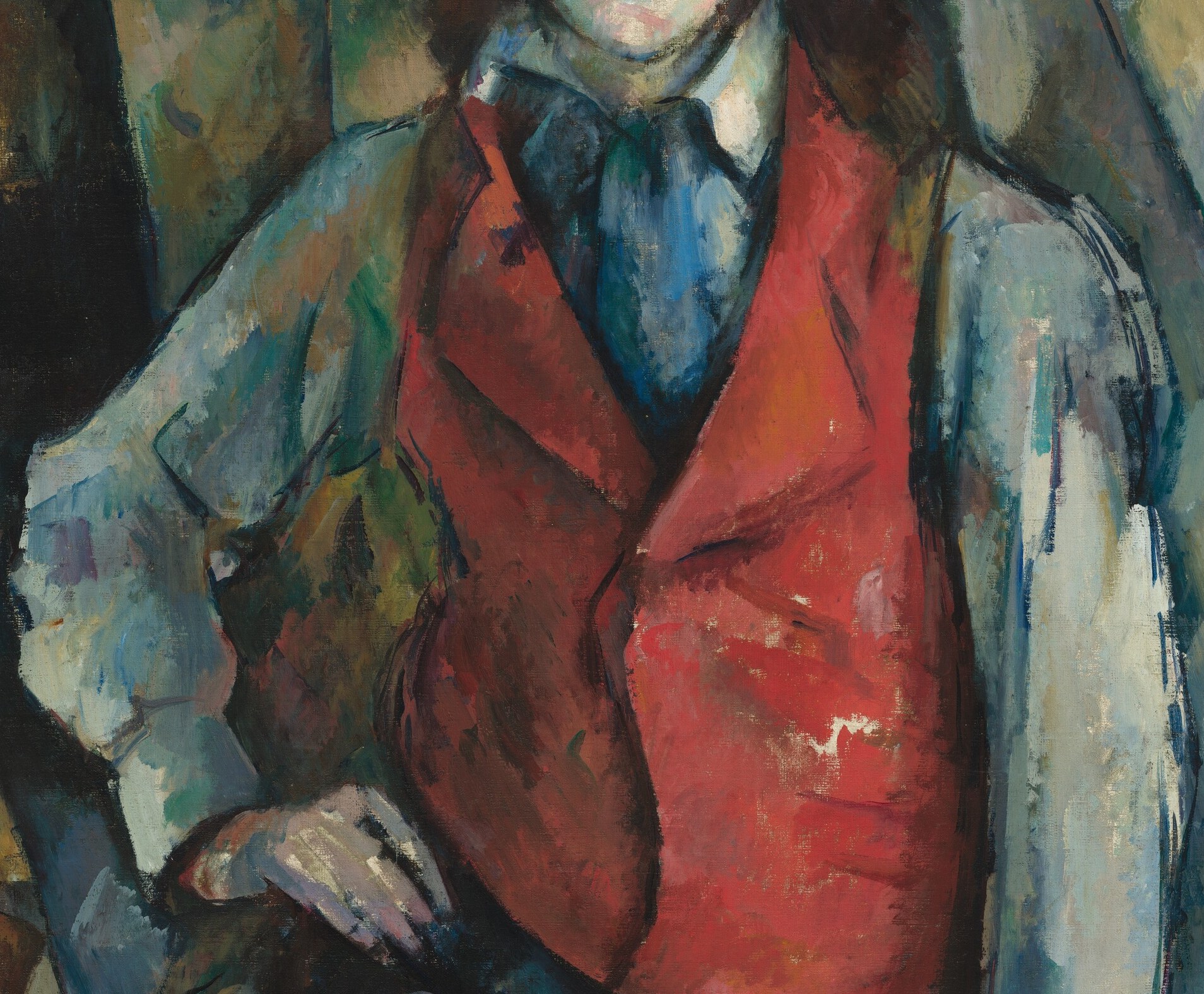
Paul Cézanne’s "Boy in a Red Waistcoat" (1888-1890) from the Fondation Beyeler, captures a profound stillness in its young sitter. This painting is one of several portraits Cézanne made of Italian boys, often modeling for him in his studio.
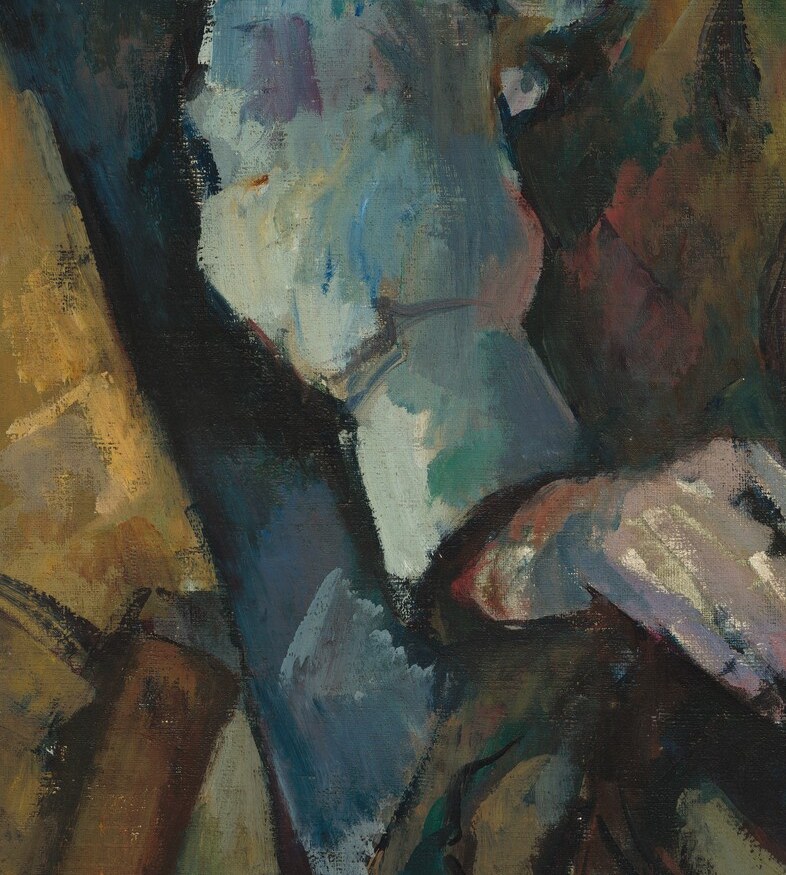
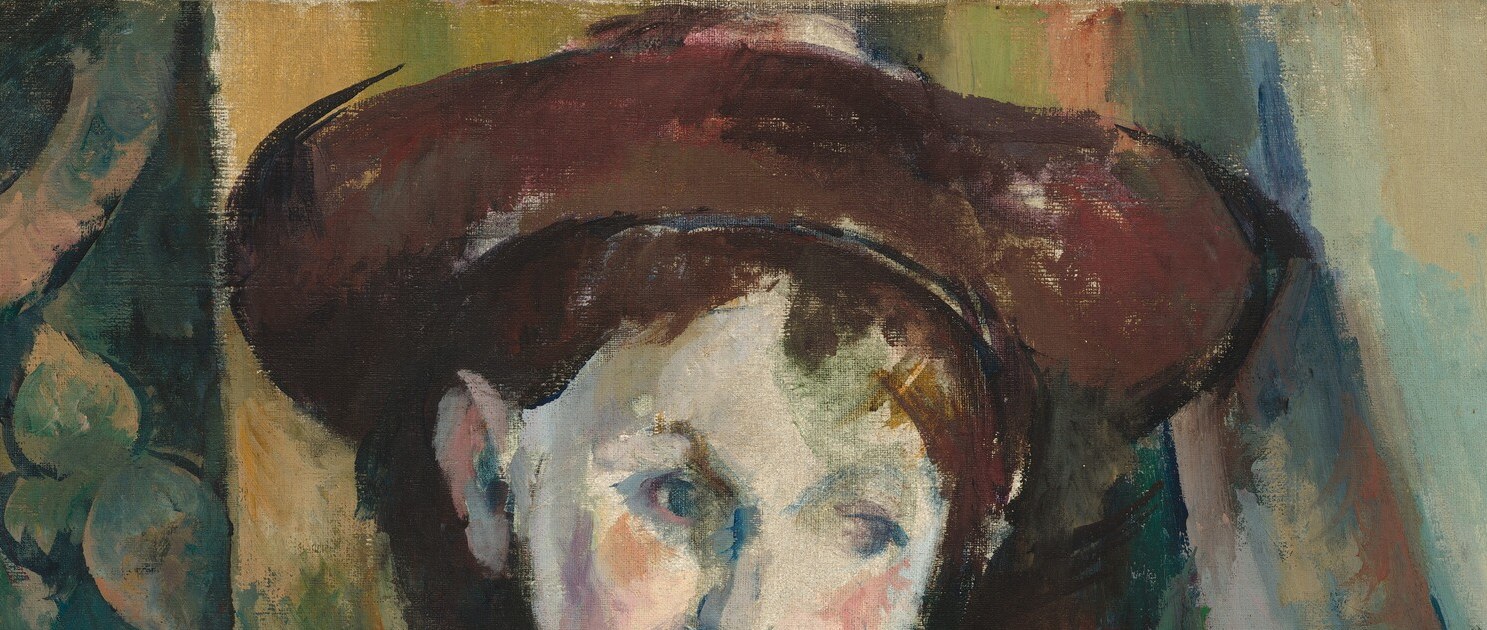
The boy's direct, calm gaze and composed pose invite contemplation. Look closely at the boy's face: Cézanne builds it from distinct planes of color, a technique that would later inspire Cubist artists like Picasso in their approach to form.
Cézanne was known for his slow, deliberate process, often working on a single portrait for many hours over multiple sittings. This intensity of focus allowed him to capture not just a likeness, but a deeper sense of presence and structure in his subjects.
This painting is a testament to Cézanne's innovative vision, blending formal experimentation with a quiet, observant empathy for his human subjects.
Details
Transcript
This quiet boy by Cézanne holds your gaze. He was one of three Italian boys Cézanne painted. The painter worked slowly, often for hours each day. Look closely at his face, built from small planes of color. This constructive brushwork taught Picasso how to break faces apart. Yet the boy’s calm expression remains perfectly still.