Man with a Sheet of Music by Rembrandt van Rijn
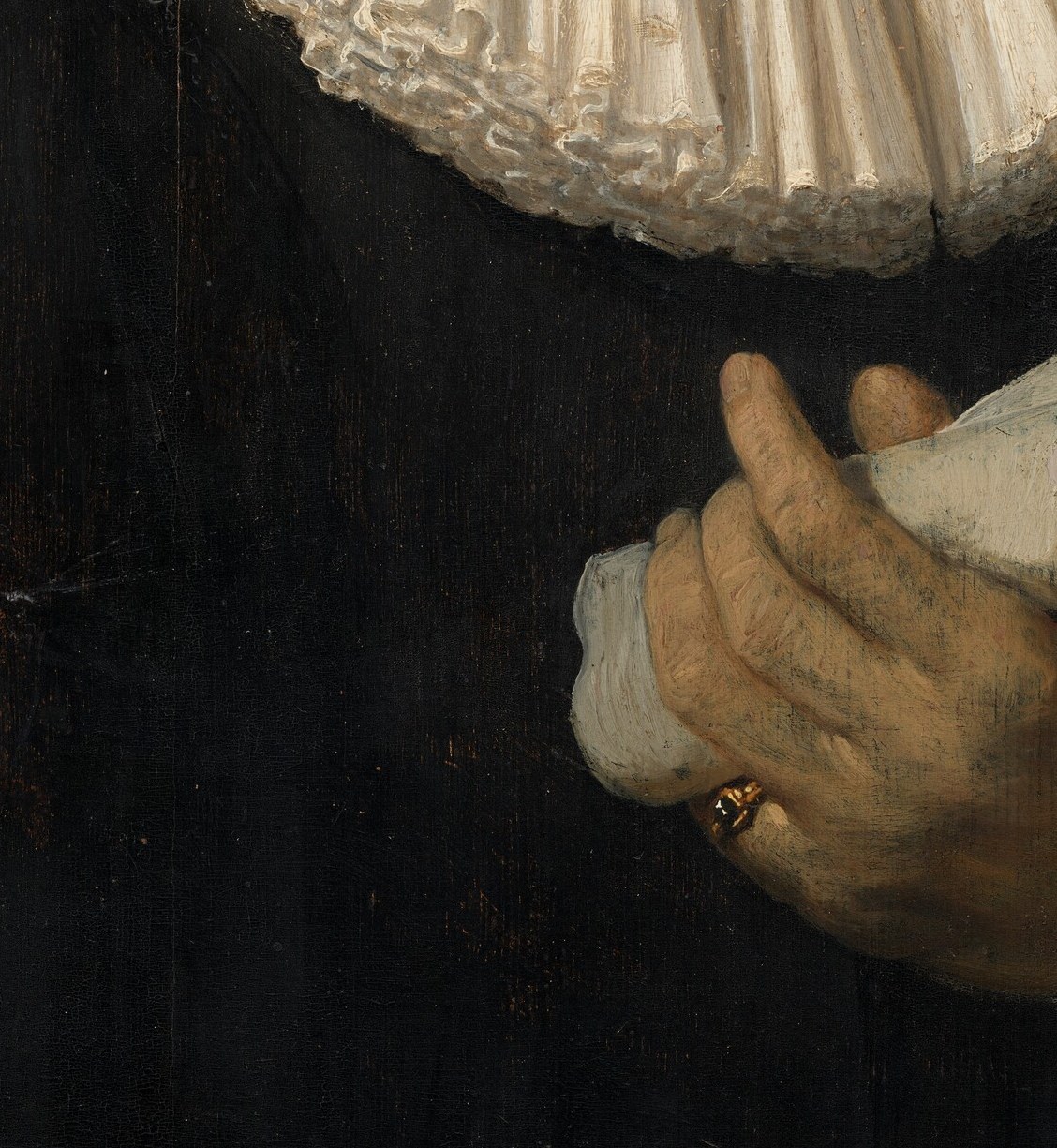
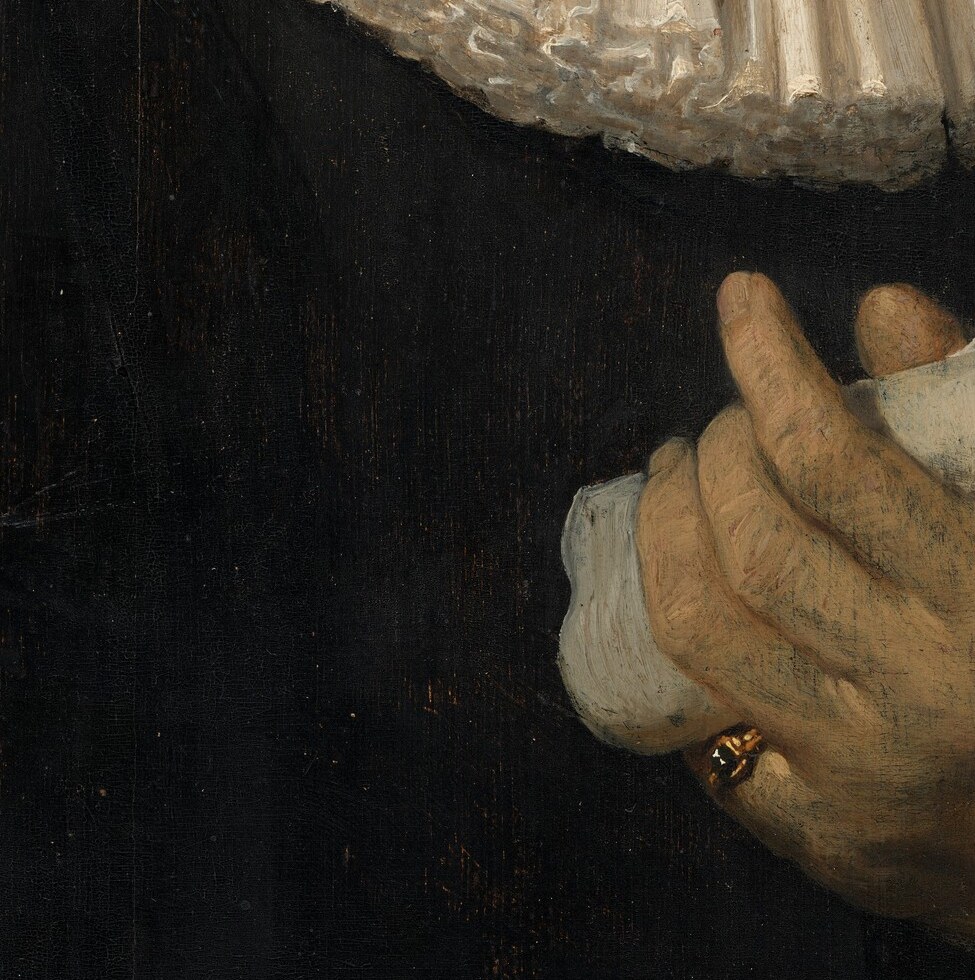
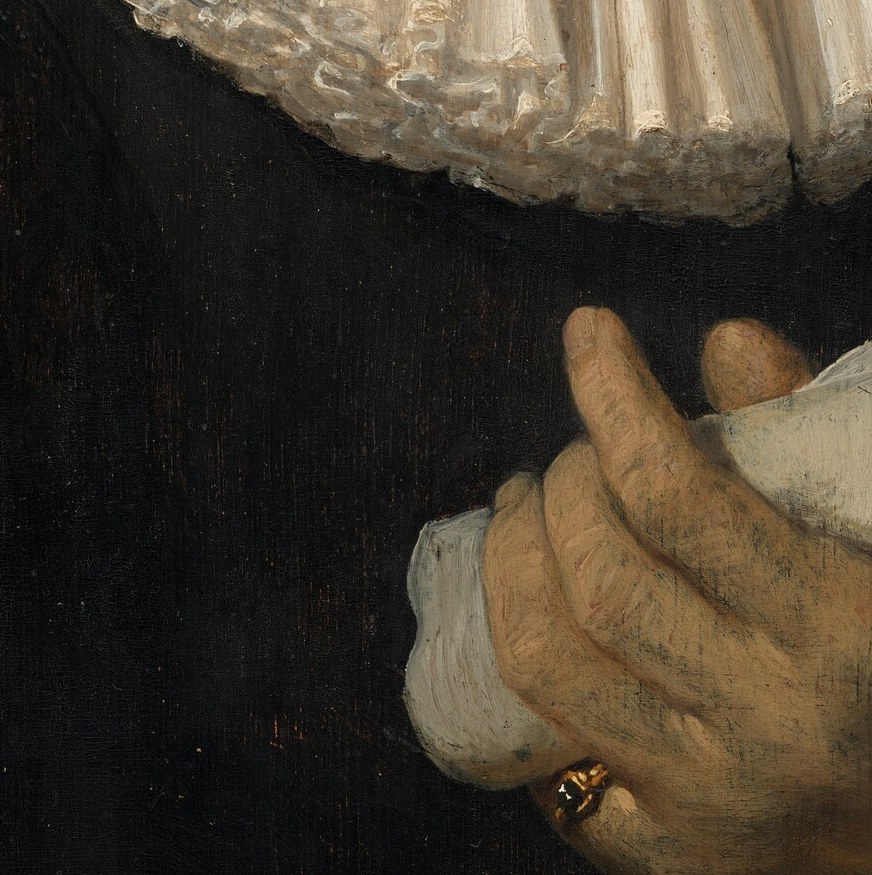
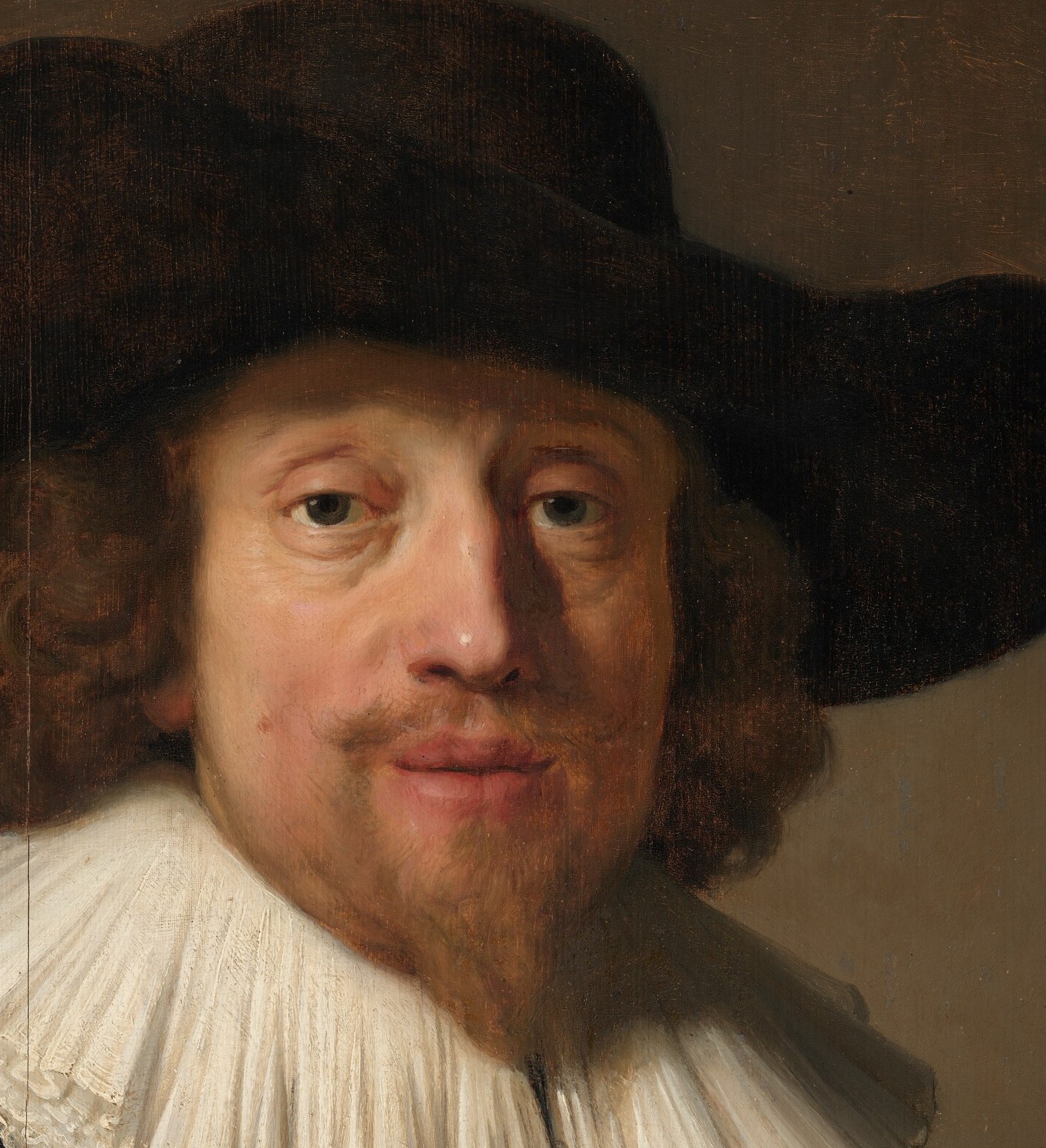
Rembrandt's 1633 portrait 'Man with a Sheet of Music' hangs today. The sitter is unknown, but the object in his hands is not mute. In his right hand he holds a rolled sheet of paper, and Rembrandt left a single line of musical notation visible to us, a deliberate clue.
The visible notation has been identified. It is not secular or instrumental music but a vocal line from a four-part setting of Psalm 91, as found in a popular Dutch psalm book of the period. This is domestic sacred music, the kind a family would sing together at home, not a public performance piece.
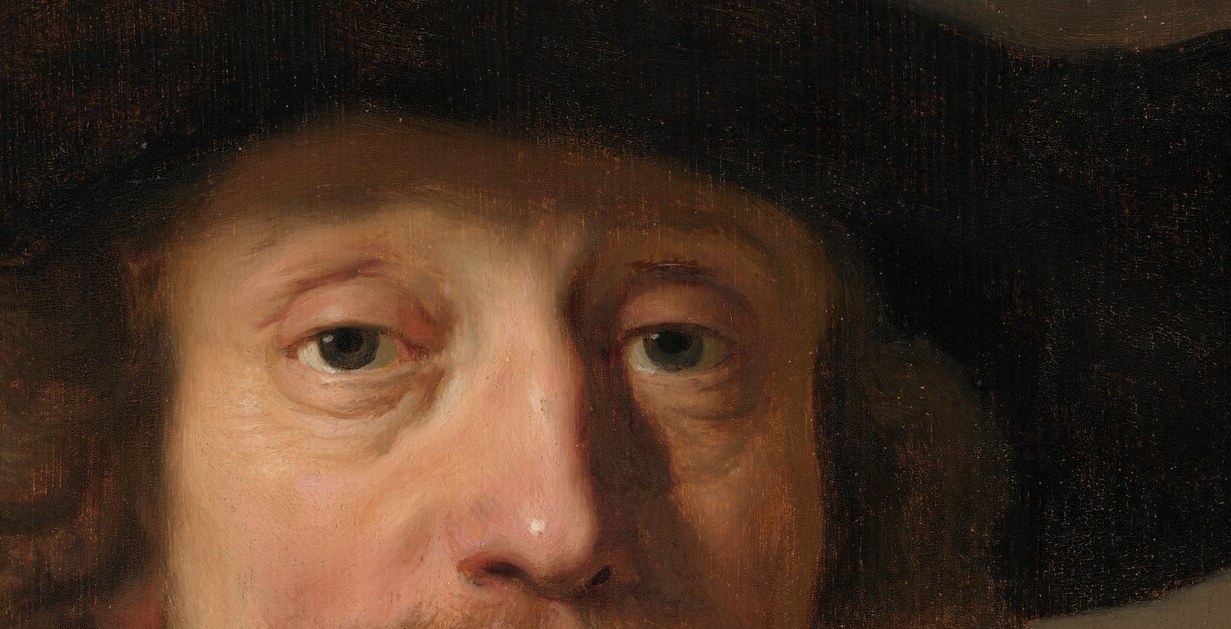
The painting was made in 1633, when Rembrandt was twenty-seven and establishing himself in Amsterdam as the city's leading portraitist. The sitter's identity has been lost across four centuries, but the psalm he holds tells us what he wanted to project. Psalm 91 is a text about divine protection: "He that dwelleth in the secret place of the most High shall abide under the shadow of the Almighty." The man commissioned a portrait of himself holding a promise.
The direct gaze, the confident hand on the scroll, the elegant collar, these are the marks of a prosperous Amsterdam merchant. But the attribute he chose is not a ledger or a goblet. It is a private chorale, a statement that his real identity rests somewhere deeper than his trade.
Details
Transcript
A sheet of music, rolled and held. A single line of notation is left visible to us. Musicologists have identified the piece. It is a four-part song from a book of psalms. He is not holding a performance piece. He is holding private, domestic worship. This is not a public musician. This is a man of private faith.