Edward Shippen by Stuart, Gilbert
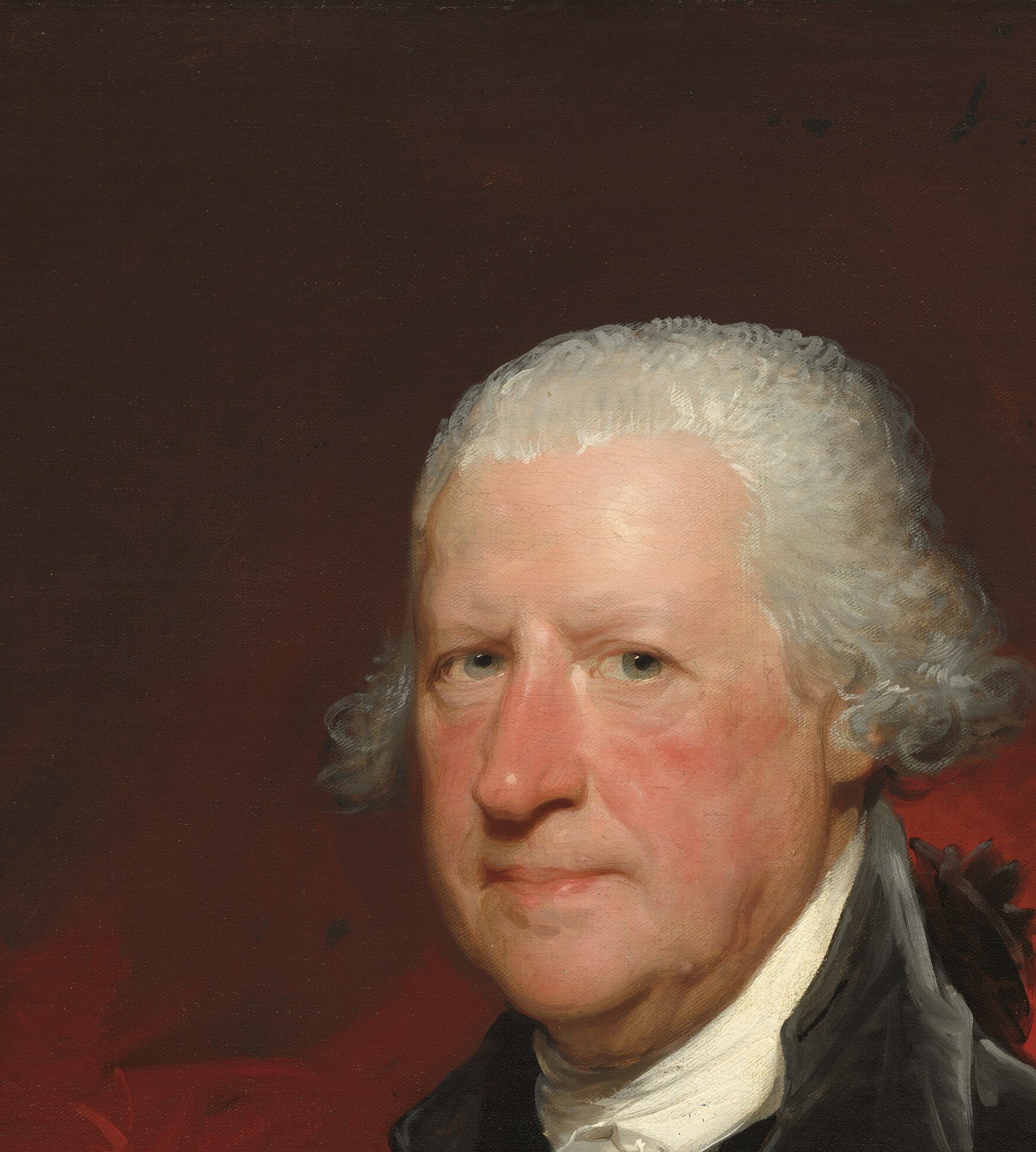
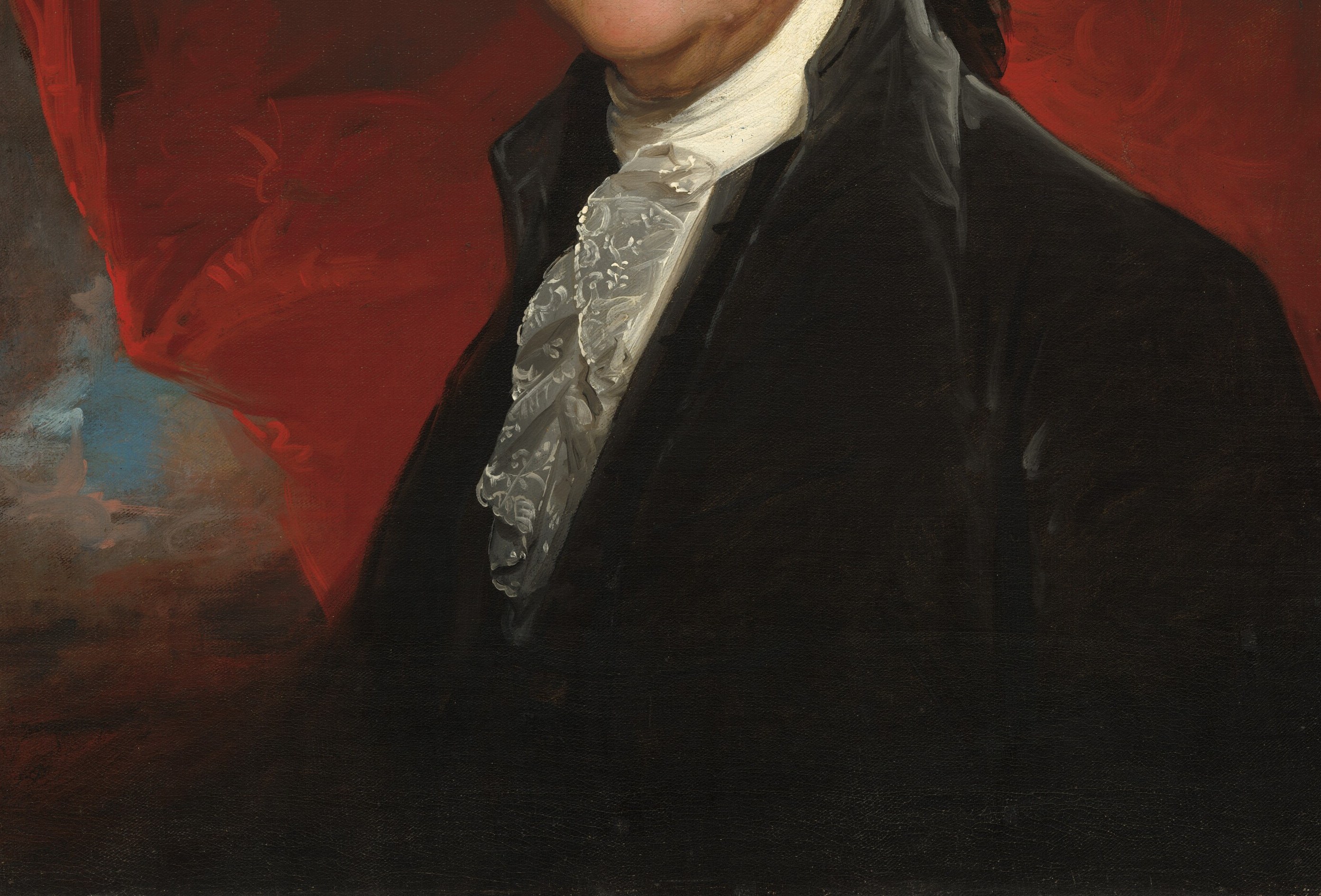
Edward Shippen, painted in 1796 by Gilbert Stuart, captures the visage of the Chief Justice of Pennsylvania. This serious portrait shows Shippen in formal attire, his demeanor reflecting his significant judicial roles. Stuart, at just twenty-six, masterfully uses light and shadow to emphasize the sitter's gravitas.
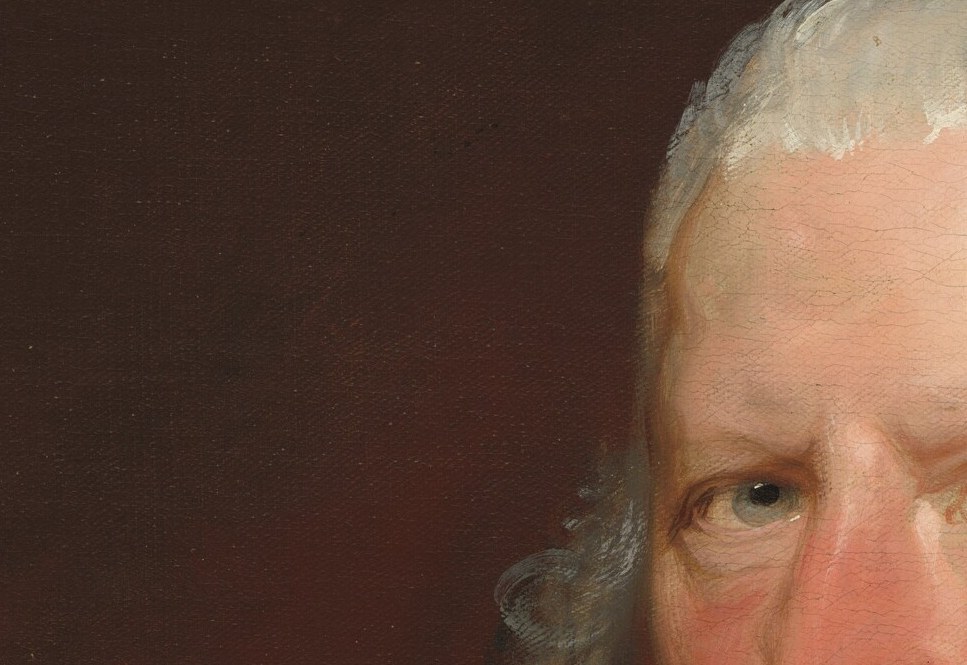
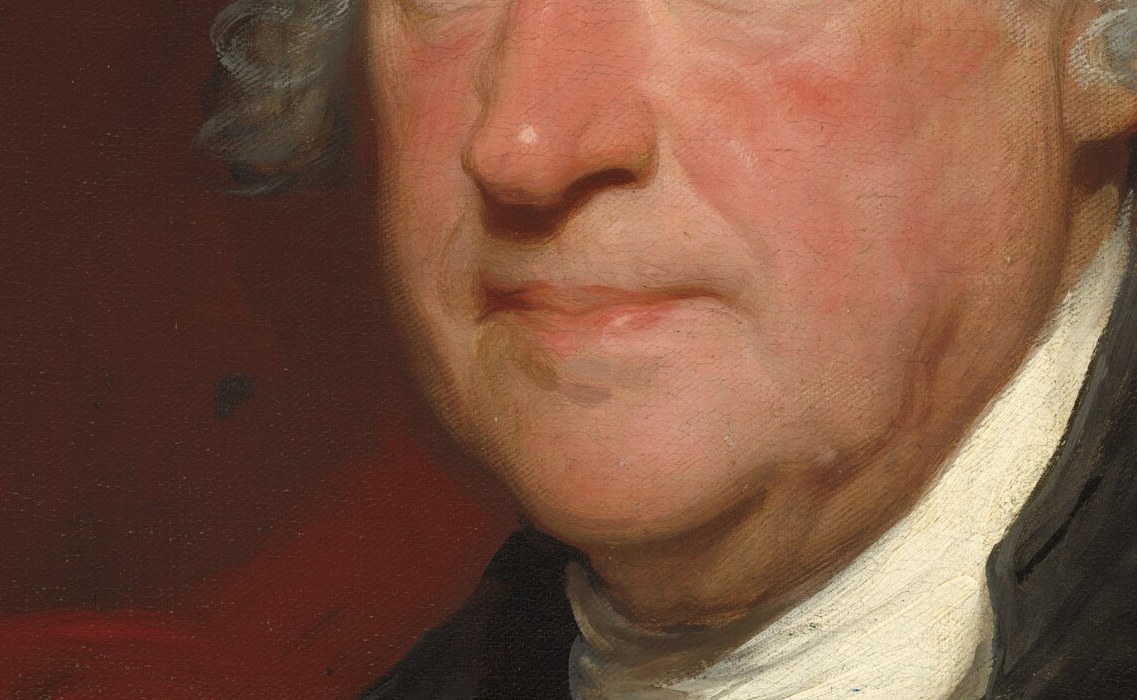
Look at his direct gaze, the firmness of his set jaw, and the powdered hair that signifies his elite status. Notice how the dark coat creates a stark contrast, making his luminous face and the warm background glow stand out. Even the subtle detail of a white waistcoat adds depth to the composition.
This painting offers a window into a pivotal era in American history. Shippen's stern countenance was present during significant moments, including presiding over Benedict Arnold's court-martial. Stuart's technical skill, even at this early stage of his career, imbues the portrait with a lifelike presence that continues to command attention.
This artwork serves as a powerful reminder of the individuals who shaped early American justice.
Details
Transcript
This is the face of justice in 1796. See the judge's steady, assessing regard. His set jaw shows authority without warmth. Stuart captures the animator's spark. Powdered hair signals late 18th-century status. Formal coat absorbs light, framing the face. A warm glow surrounds his right profile. The artist was twenty-six when he painted this.