Portrait of a Young Man by Holbein the Younger, Hans
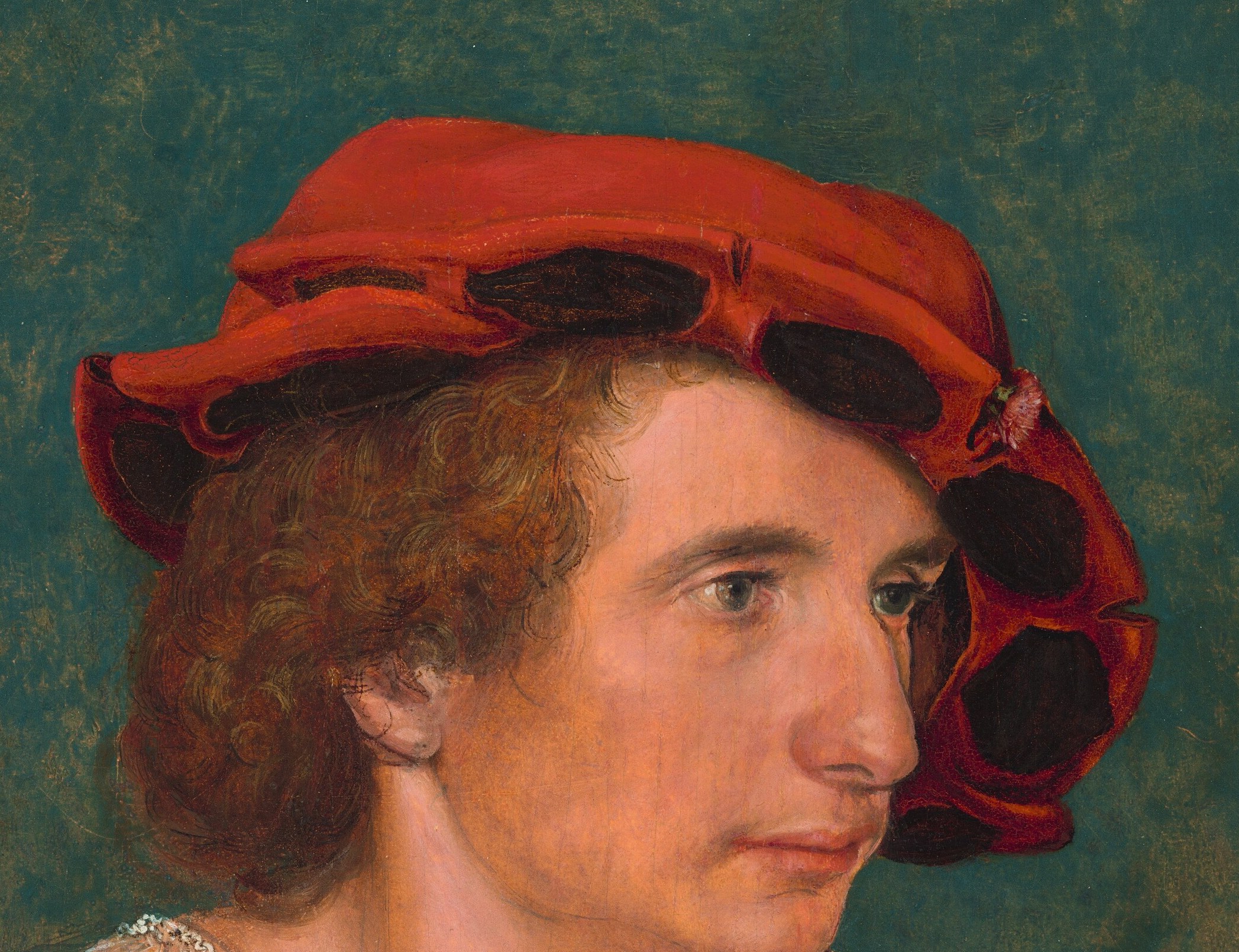
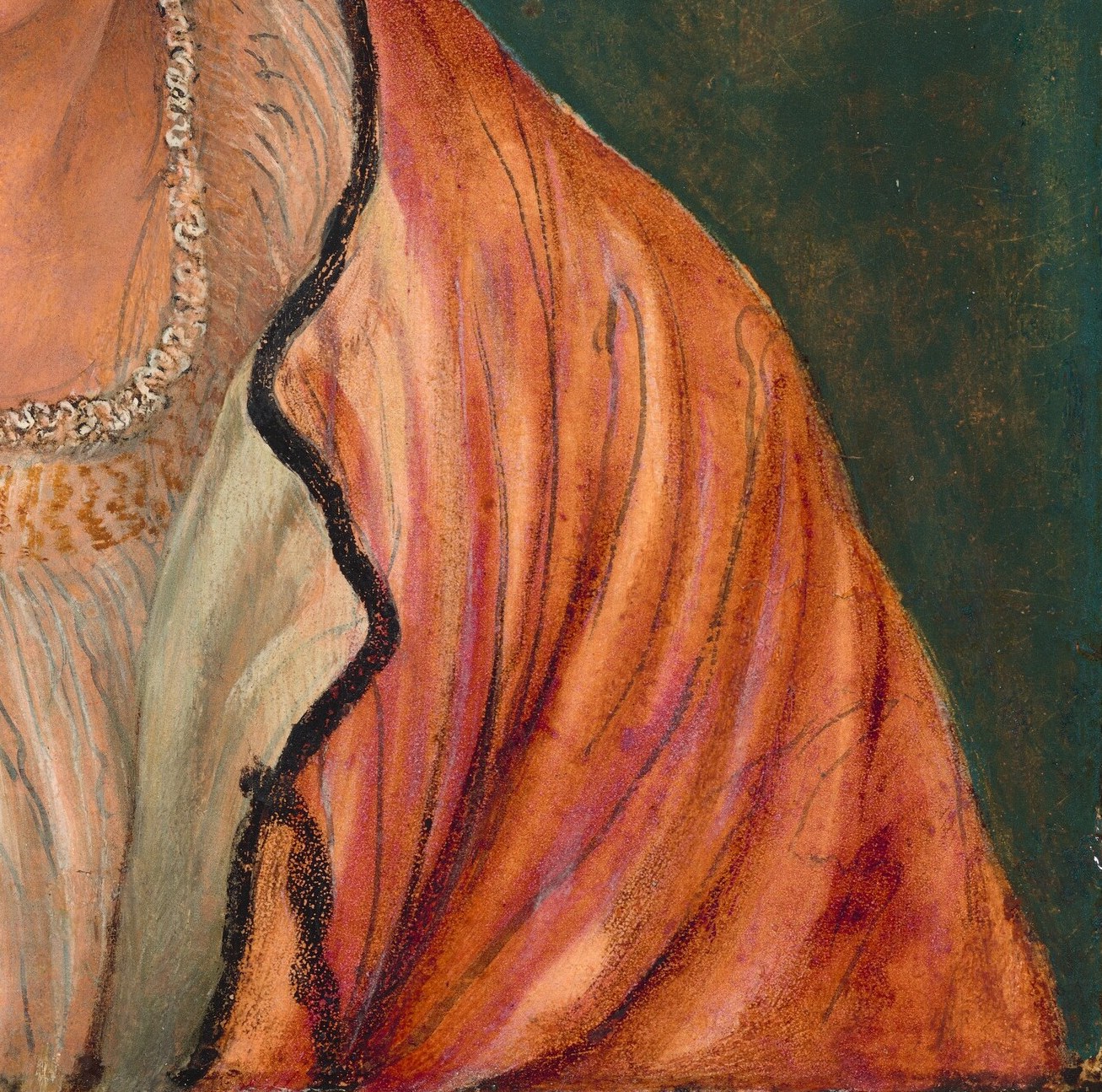
This is Hans Holbein the Younger's *Portrait of a Young Man*, painted around 1525. It appears to be a straightforward depiction of a well-dressed man, but the objects hold deeper meanings.
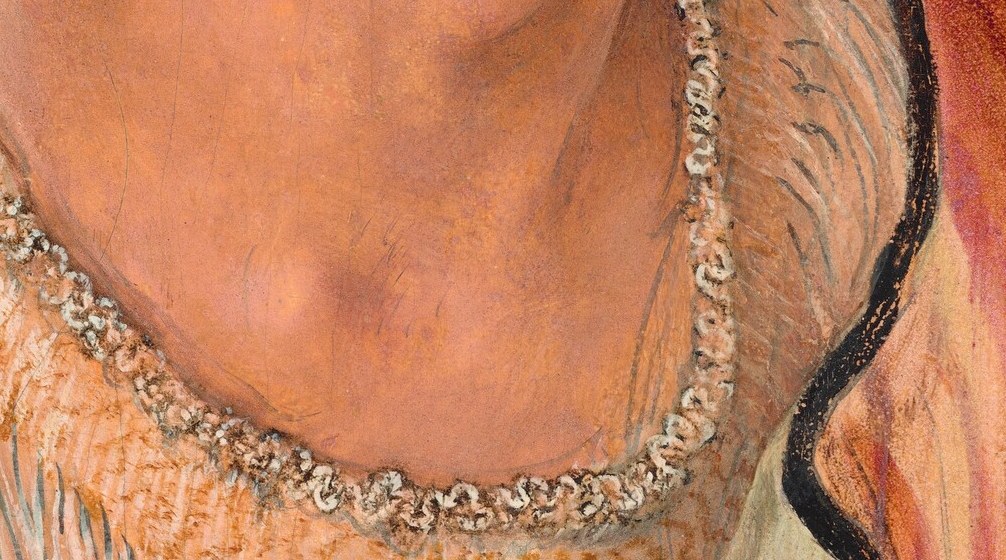
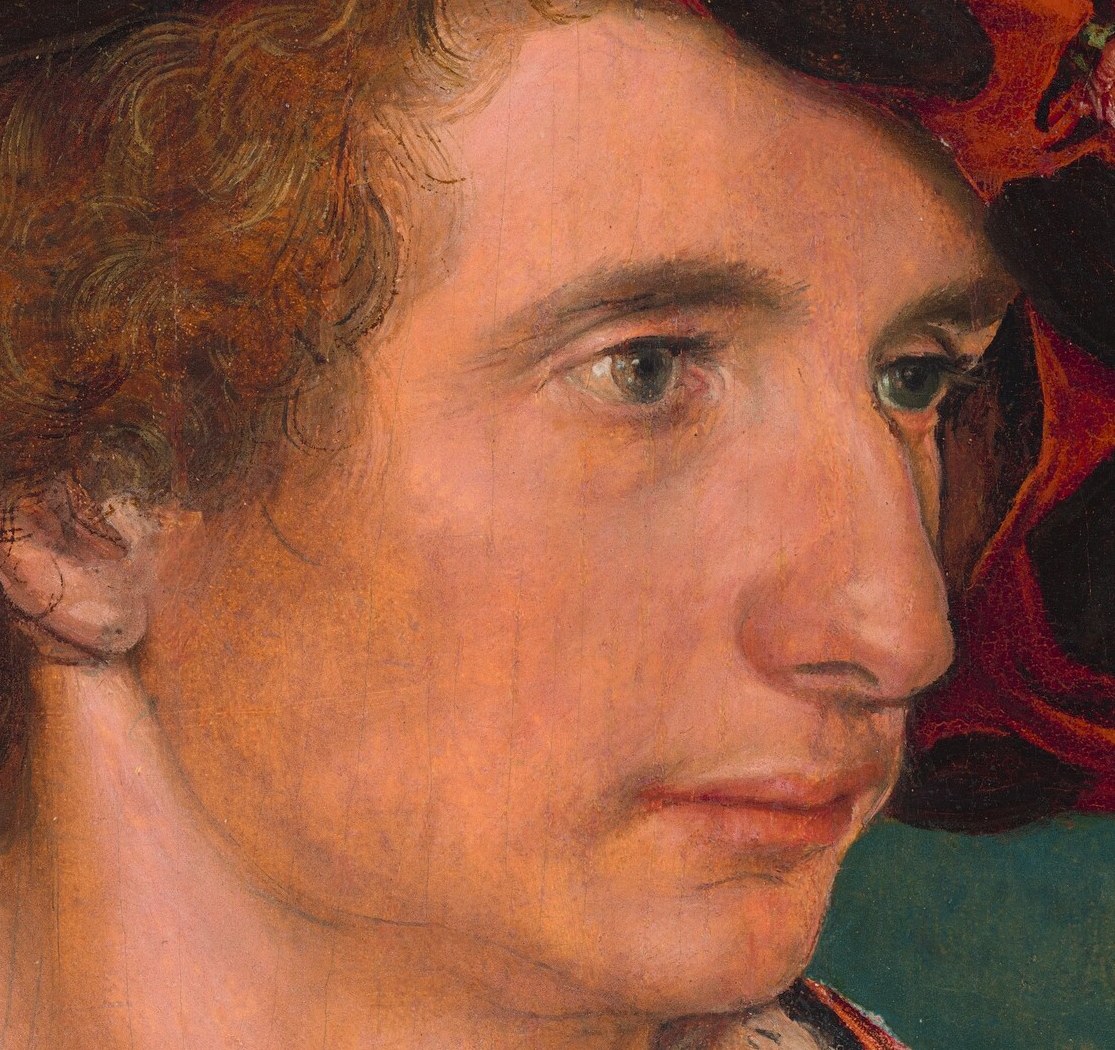
Notice the sitter's gaze, directed slightly away, suggesting introspection. His red hat and the rich white beaded collar speak to his status or profession, signaling worldly success.
However, the painting also contains symbols of mortality, a common theme in art of this period. The fruit, for example, represents the brevity of life. Holbein masterfully combined these elements to create a complex statement about human existence.
This work showcases Holbein's early talent before his later fame in England.
Details
Transcript
This is a formal portrait, but not what it seems. Look at the young man's intense gaze. His red hat signifies rank or profession. The white beaded collar adds opulence. But the fruit implies a fleeting life. Holbein painted this around 1525. This was his early work before England. Wealth and mortality, all in one image.