Salvator Mundi by Albrecht Dürer (German, 1471–1528)
Albrecht Dürer, a prominent figure of the German Renaissance, created this *Salvator Mundi* (Savior of the World) in 1505, now held at The Metropolitan Museum of Art.
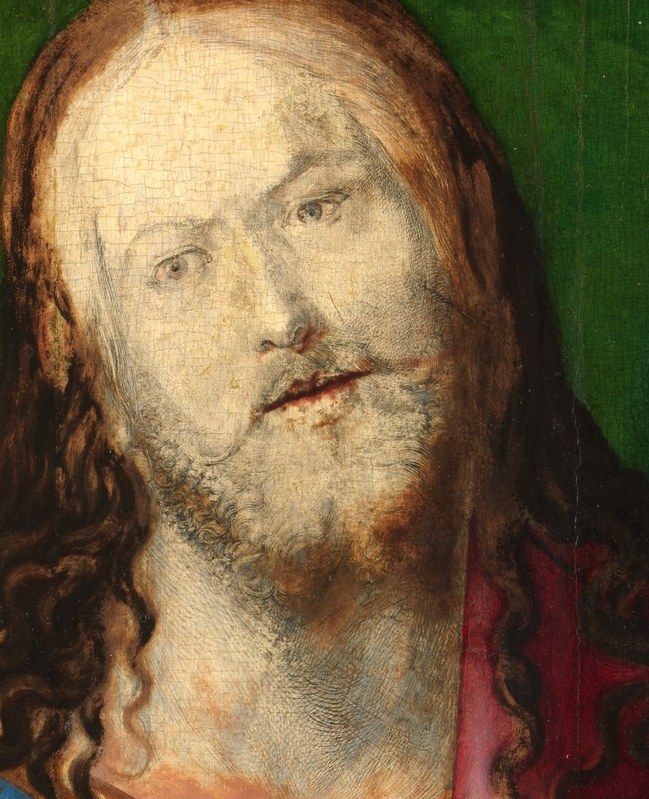
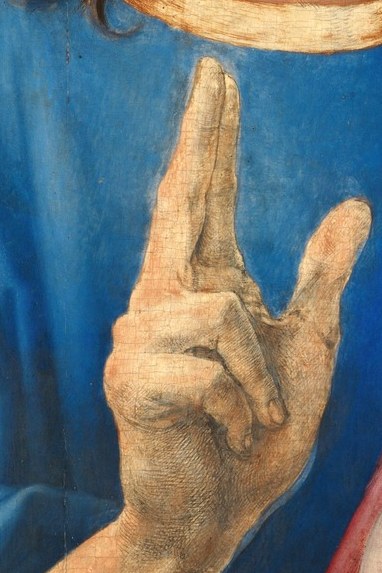
While Dürer is perhaps best known for his revolutionary woodcuts and engravings, his mastery of oil painting is beautifully demonstrated in this work. Look at the serene expression on Christ's face and the detailed rendering of his hands, conveying both divine authority and a sense of quiet contemplation.
This painting exemplifies the religious and artistic conventions of Northern Europe during its time. Dürer's unique style, which incorporated influences from Italian Renaissance artists, solidified his reputation across the continent. The rich colors and careful chiaroscuro (light and shadow) add to the painting's introspective mood.
It’s a powerful example of how Dürer integrated his diverse skills into a cohesive and moving devotional image.
Details
Transcript
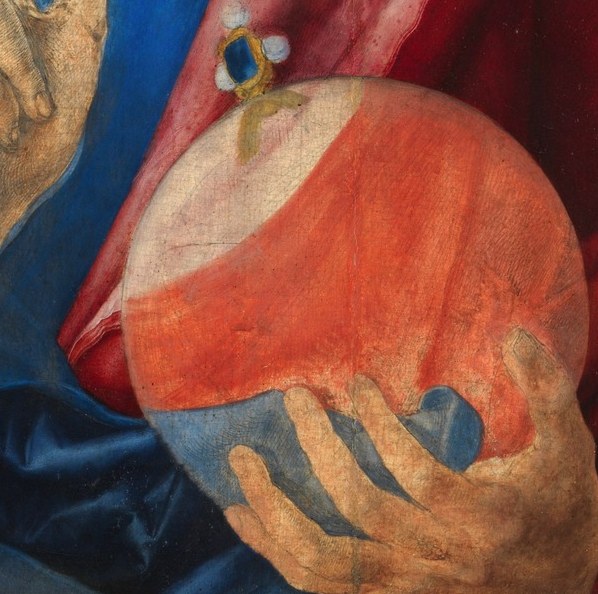
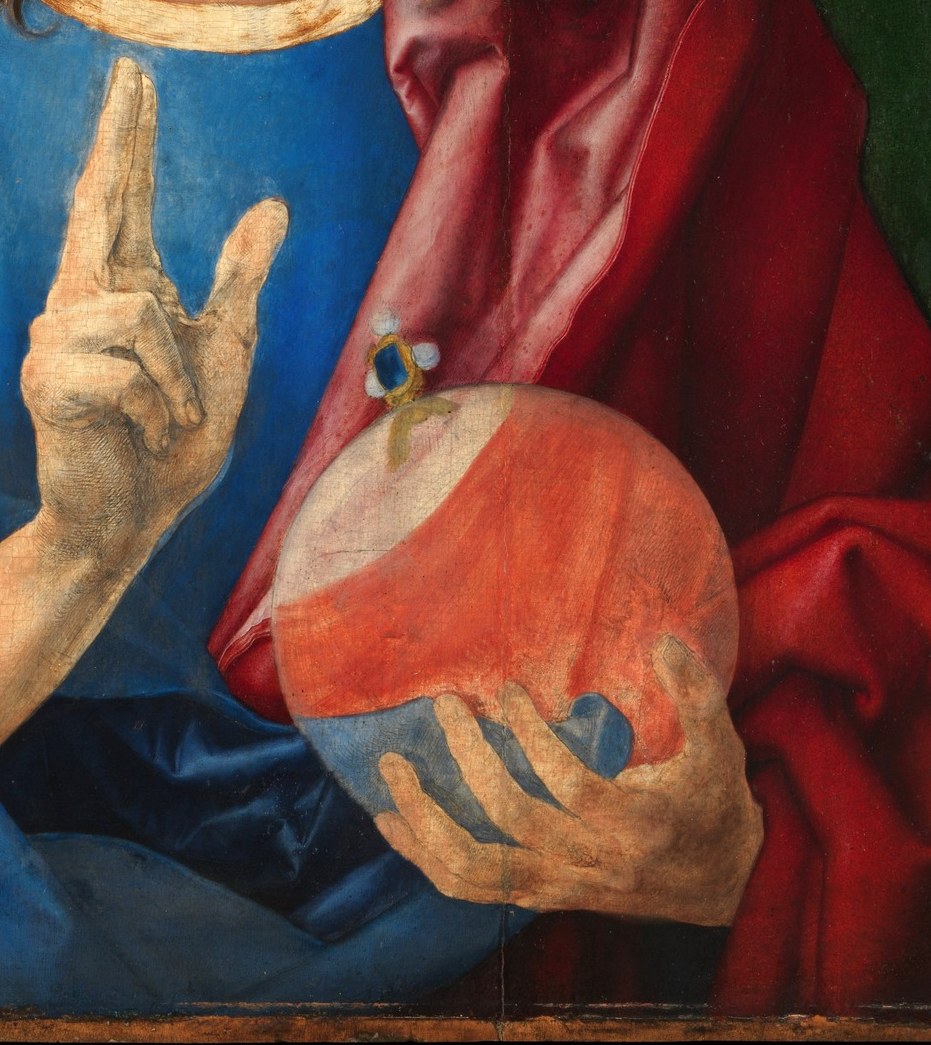
This painter was a master of the German Renaissance. He was renowned for his detailed engravings and prints. But his skill in oil painting is also clearly visible here. Christ's serene expression holds quiet contemplation and spiritual authority. His raised hand offers a blessing to the viewer. And in his left, a crystalline orb, ruling the entire world.