The Crucifixion by http://www.wikidata.org/.well-known/genid/a56113262ef591546dae39d9d65617e1
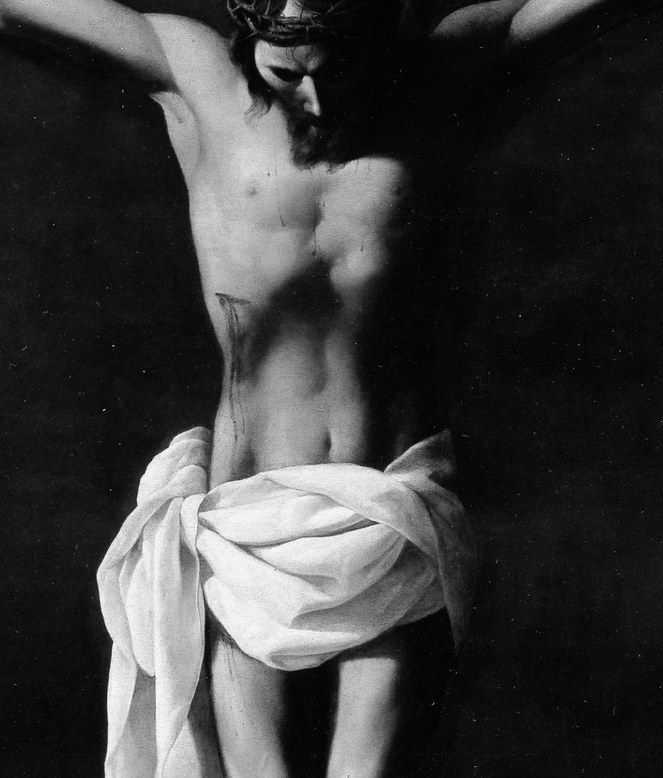
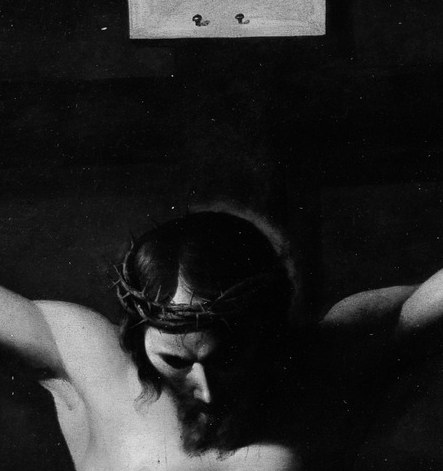
This is "The Crucifixion," painted by Francisco de Zurbarán in 1627, now held at the Art Institute of Chicago. It was censored. The painter was hauled before the Spanish Inquisition shortly after completing it, accused of indecency for making the body of Christ too physically real.
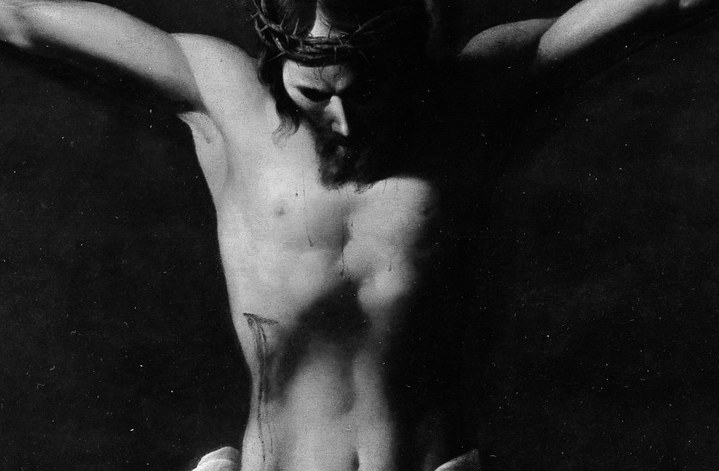
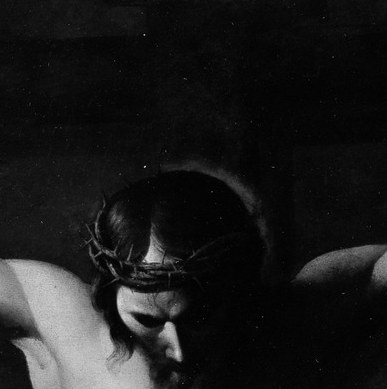
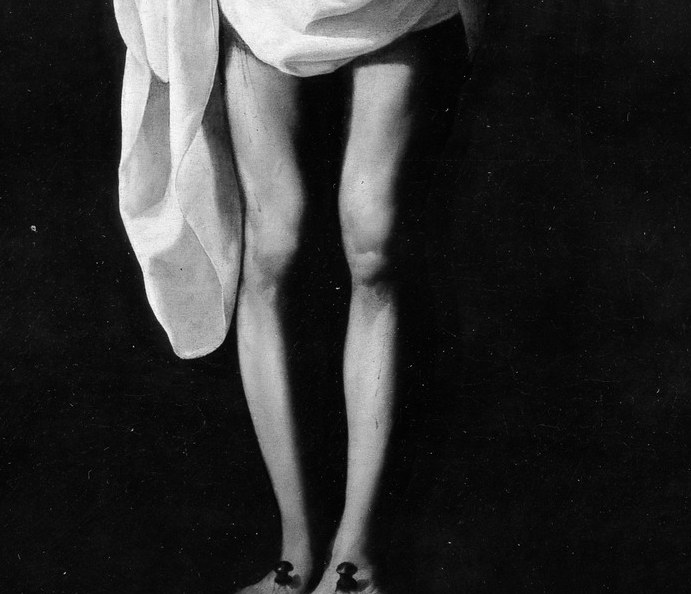
Look at what you actually see. Against a total black void, the body carries its own private spotlight. There is no landscape, no sky, no bystanders. The light carves every muscle in the shoulders and chest. The loincloth is the whitest thing in the painting. Zurbarán used tenebrism, a radical chiaroscuro, to make a holy figure feel physically present in the room with you. That was exactly the problem.
The Inquisition's tribunal in Seville interrogated him over the painting's unsettling physicality. A sacred mystery was not supposed to look like a man you could touch. Zurbarán was ordered to stop painting. He eventually left Seville for Madrid, and his career survived, but this work stands as a genuine documented collision between art and institutional censorship in the Spanish Golden Age.
How close can a painter get to the body before the body becomes too much? Zurbarán found the line, and crossed it.
Details
Transcript
They called this painting an act of indecency. Now look at what upset the Inquisition. The body pushes forward from total darkness. Every muscle carries a theatrical spotlight. The painter was hauled before the Spanish Inquisition. His crime: making a holy body too physically real. They ordered him to never paint again. No witnesses, no landscape. Only the body remains.