Abraham Dismissing Hagar and Ishmael by Barent Fabritius
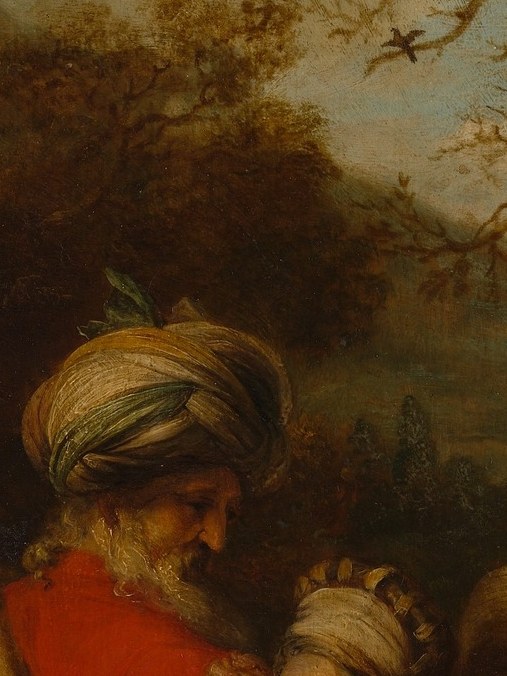
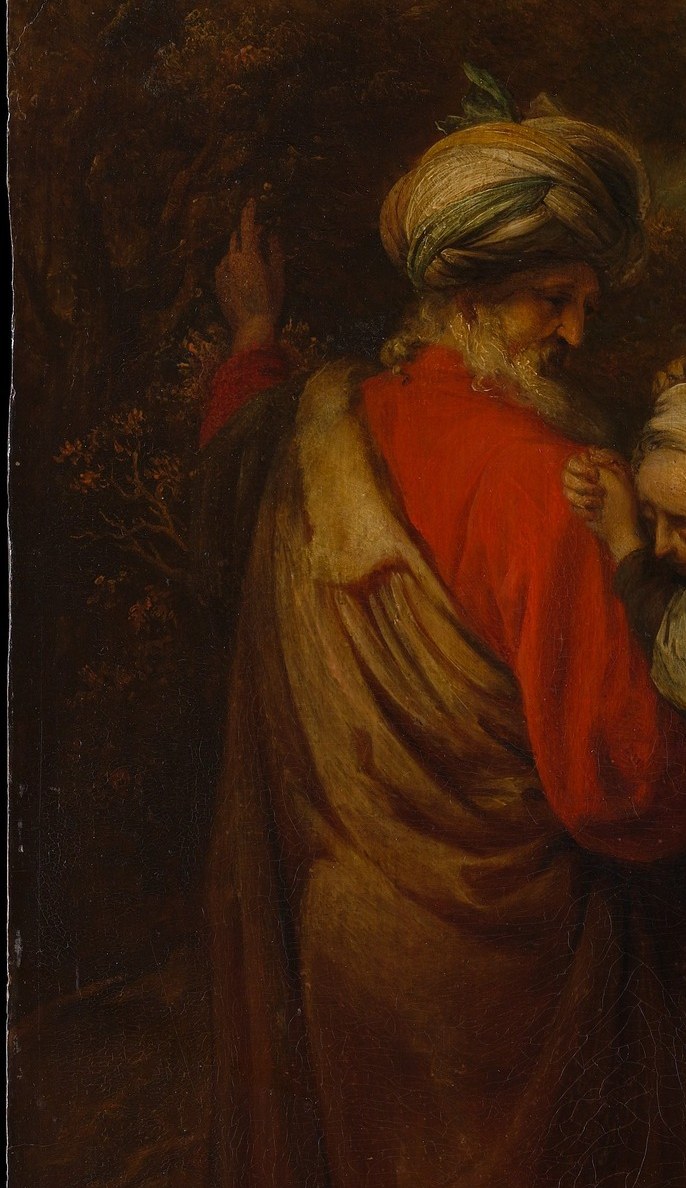
This is Barent Fabritius's 'Abraham Dismissing Hagar and Ishmael,' painted in 1658 and now in the collection of The Metropolitan Museum of Art. On the surface, it depicts the wrenching Old Testament moment where the patriarch sends his concubine and their son into the desert. But the painting is also a window into the artist's own catastrophic personal history.
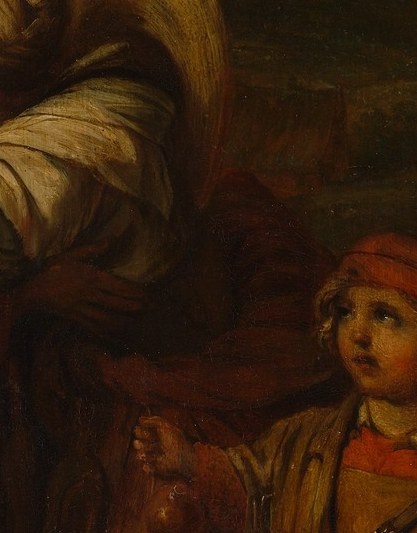
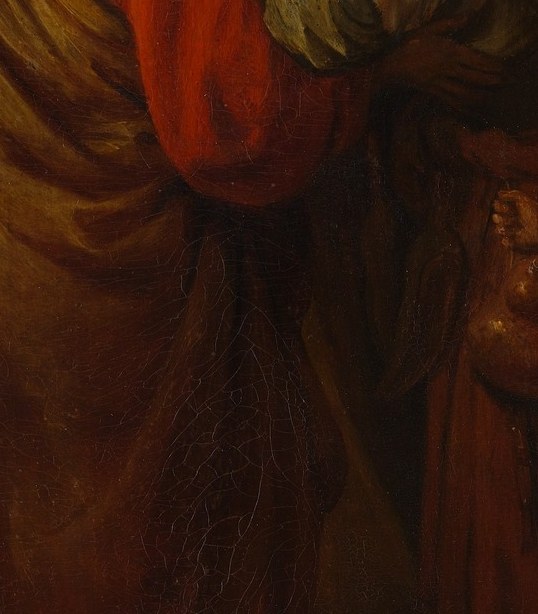
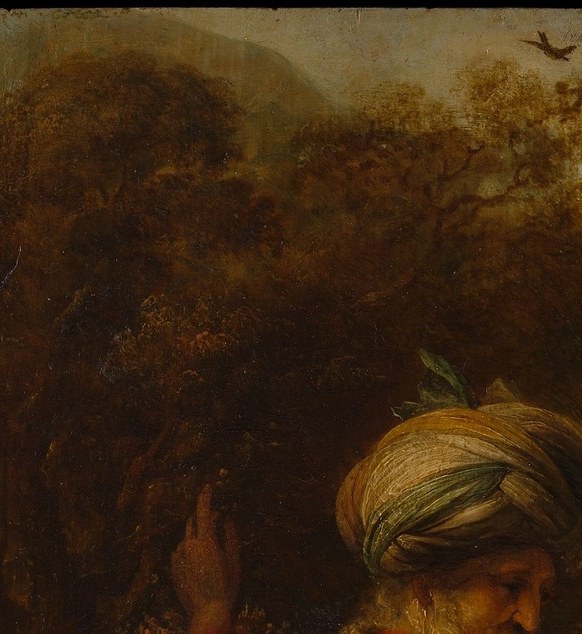
Look closely at the central knot of figures. Abraham's red robe anchors the composition, his arm wrapped in a final, agonizing embrace. Hagar tilts her face up to his, while young Ishmael stands in shadow to the right, separate from the gesture, holding meager provisions. The dark, skeletal trees and the bright patch of light behind them set the stage for a life-altering exile.
Barent Fabritius studied under Rembrandt, but the most famous fact about him is a tragedy. In 1654, the Delft gunpowder magazine exploded, destroying a quarter of the city. The blast killed Barent’s brother, the brilliant painter Carel Fabritius, and obliterated their shared studio. Barent survived, but he lived in the shadow of that loss and his brother's legacy.
This painting of a man sending his child into the unknown was completed just four years after Barent lost nearly everything. It is impossible to look at Abraham's reluctant, sorrowful face and Ishmael's bewildered expression without thinking of the artist's own survival. Does knowing the painter's biography change the way you read this father's face?
Details
Transcript
He holds her close, but he is sending her away. Abraham must exile Hagar and their son to the wilderness. The boy watches his own father abandon him. Look at how meager their supplies are. The painter was Barent Fabritius, a student of Rembrandt. Tragedy struck in 1654: a gunpowder explosion destroyed his studio. It killed his brother, the brilliant painter Carel Fabritius. Barent survived. He painted this exile of a son four years later.