Portrait of a Man by George Romney
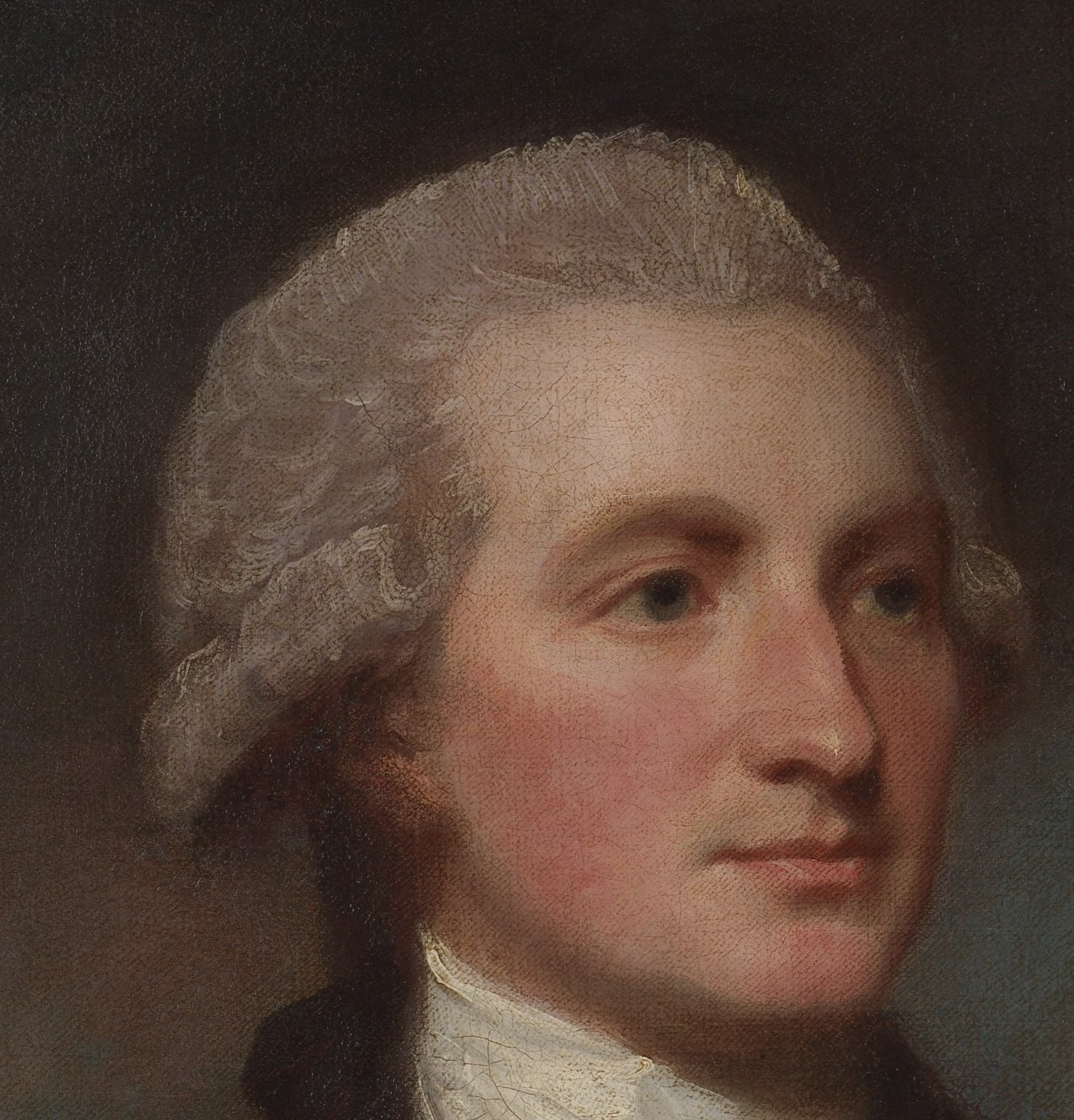
George Romney's Portrait of a Man (1790) is a key example of late 18th-century society portraiture, held at The Metropolitan Museum of Art. Romney was the most fashionable artist of his day, known for depicting elite figures. This painting captures an unidentified gentleman with a composed demeanor and elegant attire.
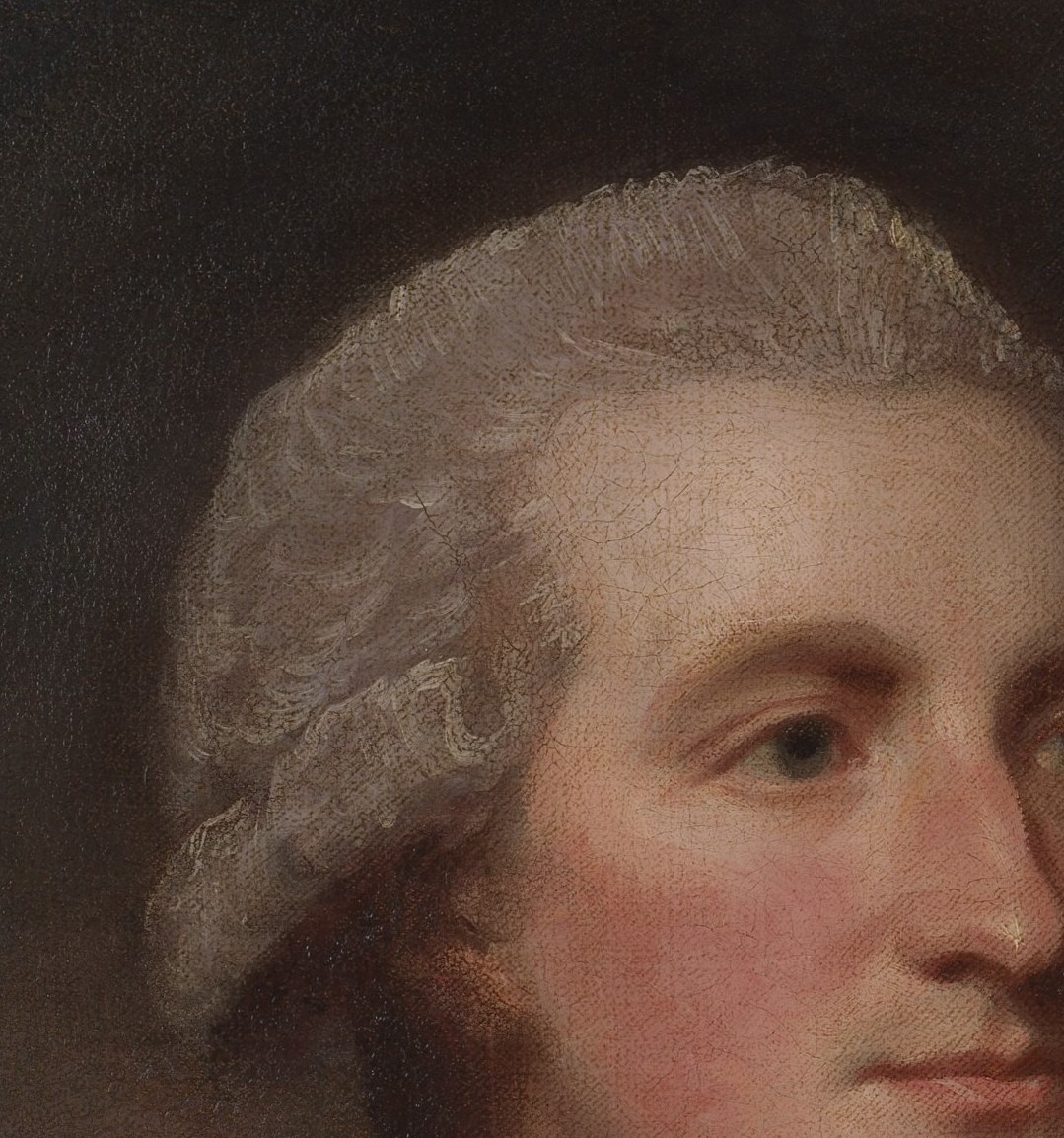
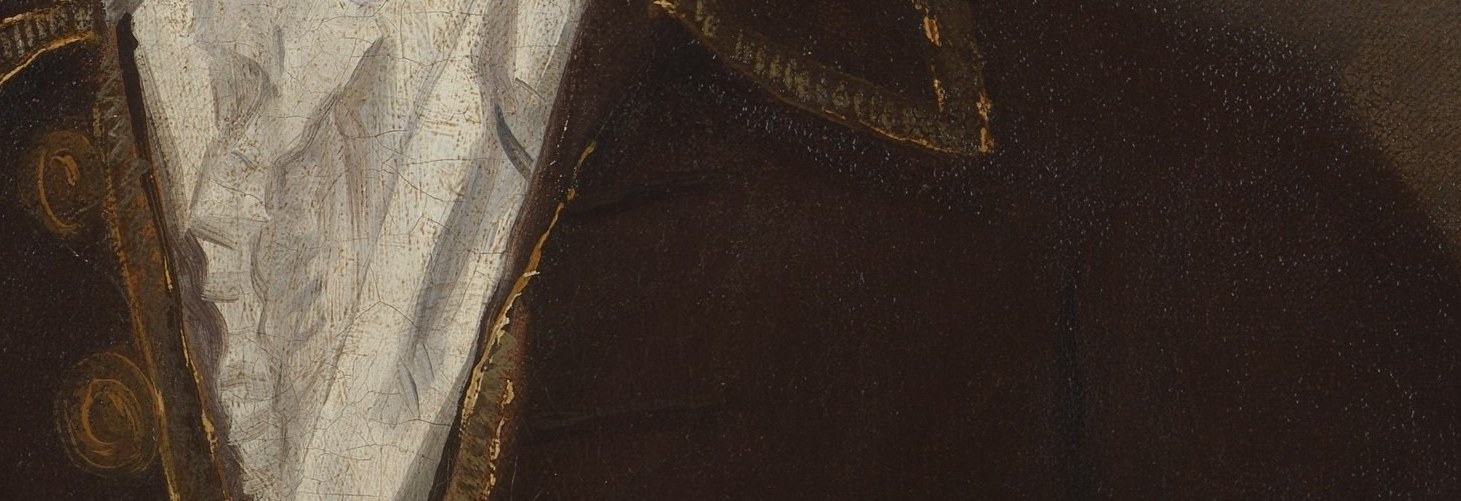
Look closely at the sitter's face, rendered with a sense of presence and direct engagement. His meticulously styled powdered hair reflects the era's fashion, while the crisp white of his ruffled shirt speaks to refinement. The dark jacket, enhanced by ornate gold trim and buttons, signifies wealth and status.
Painted in 1790, this work embodies the Rococo style's emphasis on grace and sophistication. Romney's smooth brushwork and muted palette, subtly enlivened by the gleaming gold details, focus attention on the sitter. The plain, dark background further accentuates the subject's prominence and the artist's skill.
Romney was a celebrated English painter, whose patrons included leading society figures. This portrait exemplifies his ability to capture the refined tastes and social aspirations of his time.
Details
Transcript
This man's face feels remarkably present. His direct gaze draws you into the painting. Powdered curls show late 18th-century fashion. Look at the opulent gold buttons on his jacket. The artist painted this in 1790. He was very fashionable. That gold trim is an ornate, tiny detail. Romney painted this in oil paint. It's a society portrait.