The Corinthian Maid by Joseph Wright
Joseph Wright's 1783 painting, "The Corinthian Maid," at the National Gallery of Art, presents a foundational myth: the origin of painting itself.
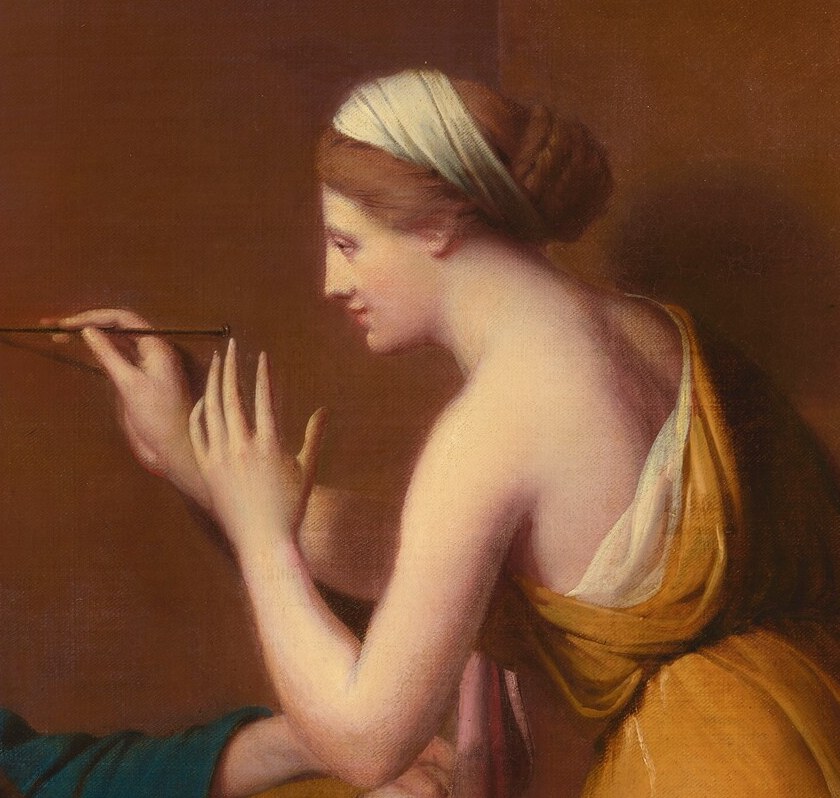
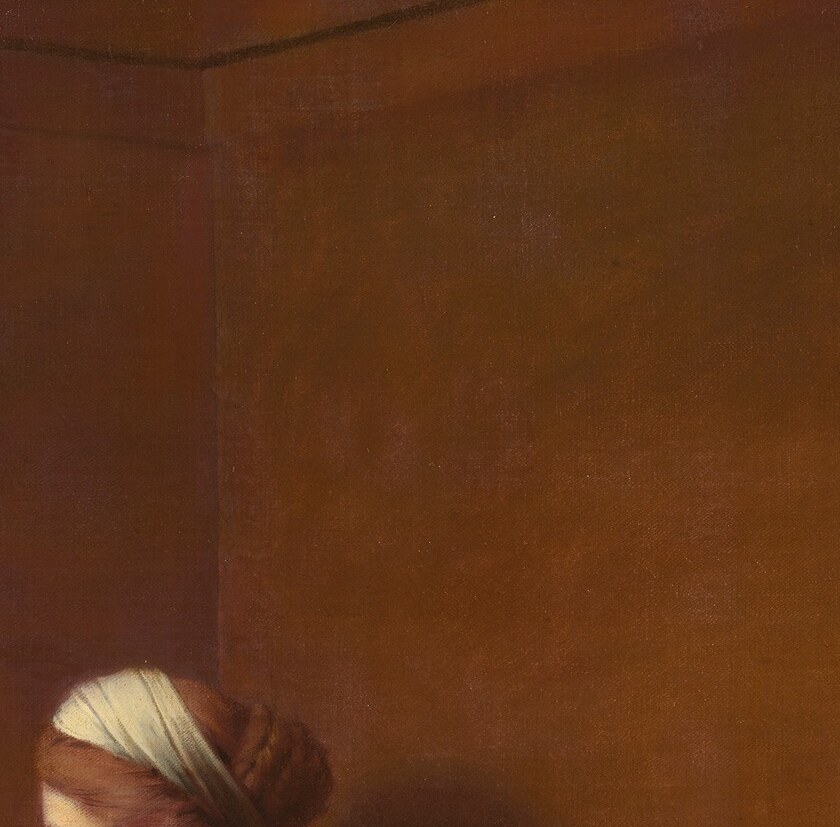
Observe the details: Kora, the Corinthian maid, traces the shadow of her lover's profile on a wall, capturing his likeness before he departs. Her focused expression and precise hand movement embody the very first act of drawing.
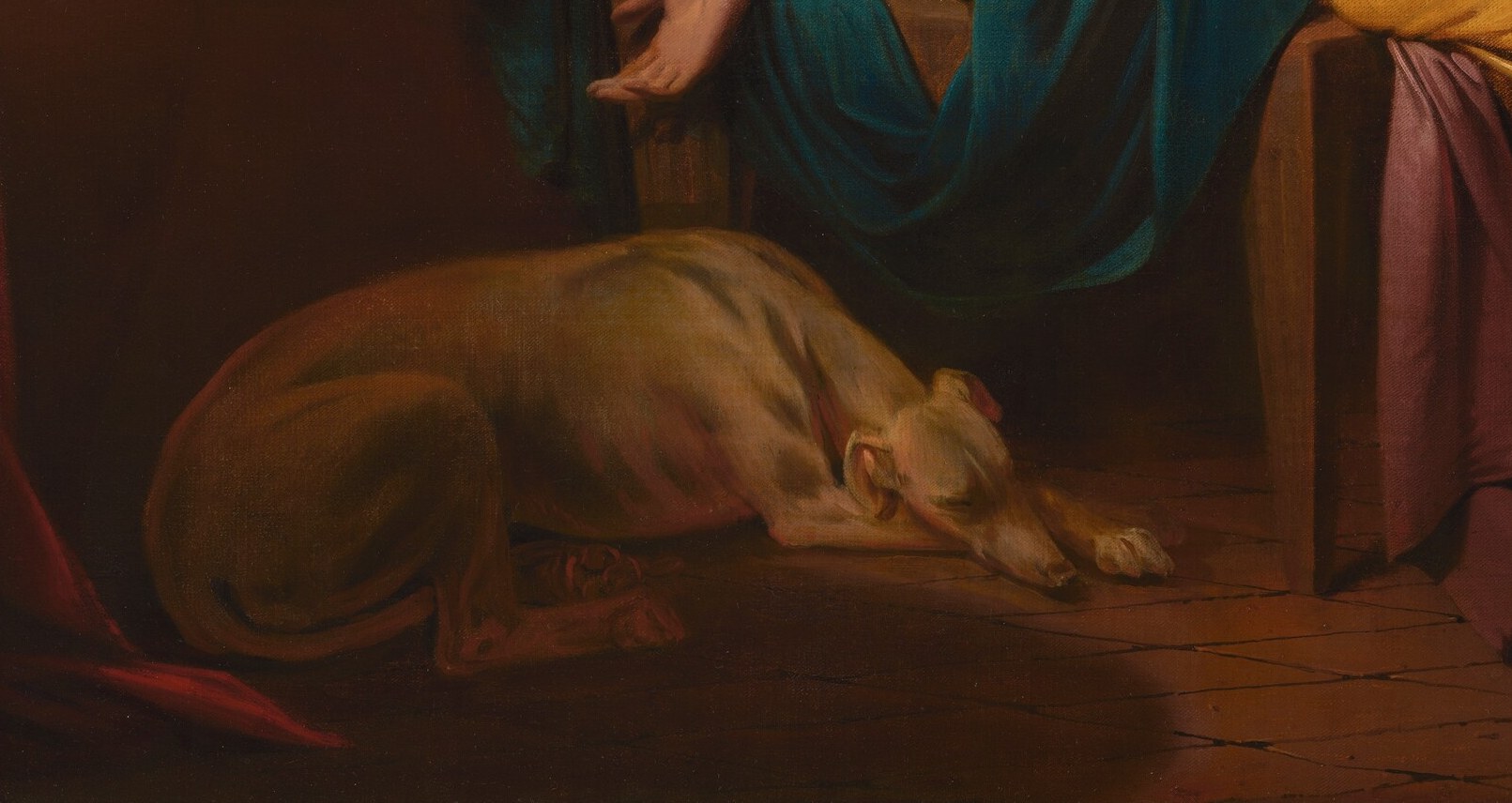
Wright, known for his dramatic use of light, uses an off-canvas lamp to cast the shadow. This artificial light, central to the scene, is almost a character in itself. The lover's profile, a temporary shadow, becomes the enduring image, symbolizing the birth of portraiture. Even the dog, often a symbol of fidelity, reinforces the theme of enduring love and memory that sparks this artistic creation.
The painting is a profound meditation on how art begins: from love, from loss, and from the desire to preserve what is fleeting.
Details
Transcript
This painting tells a myth: how art began. A woman traces the shadow of her departing lover. This myth claims she invented drawing, with this gesture. The lamp creates the shadow, the first artificial light in art. His profile is the first portrait, born of a shadow. Even the sleeping dog symbolizes their enduring loyalty. Every detail here speaks of art's origin and devotion.