White House at Night by Vincent van Gogh
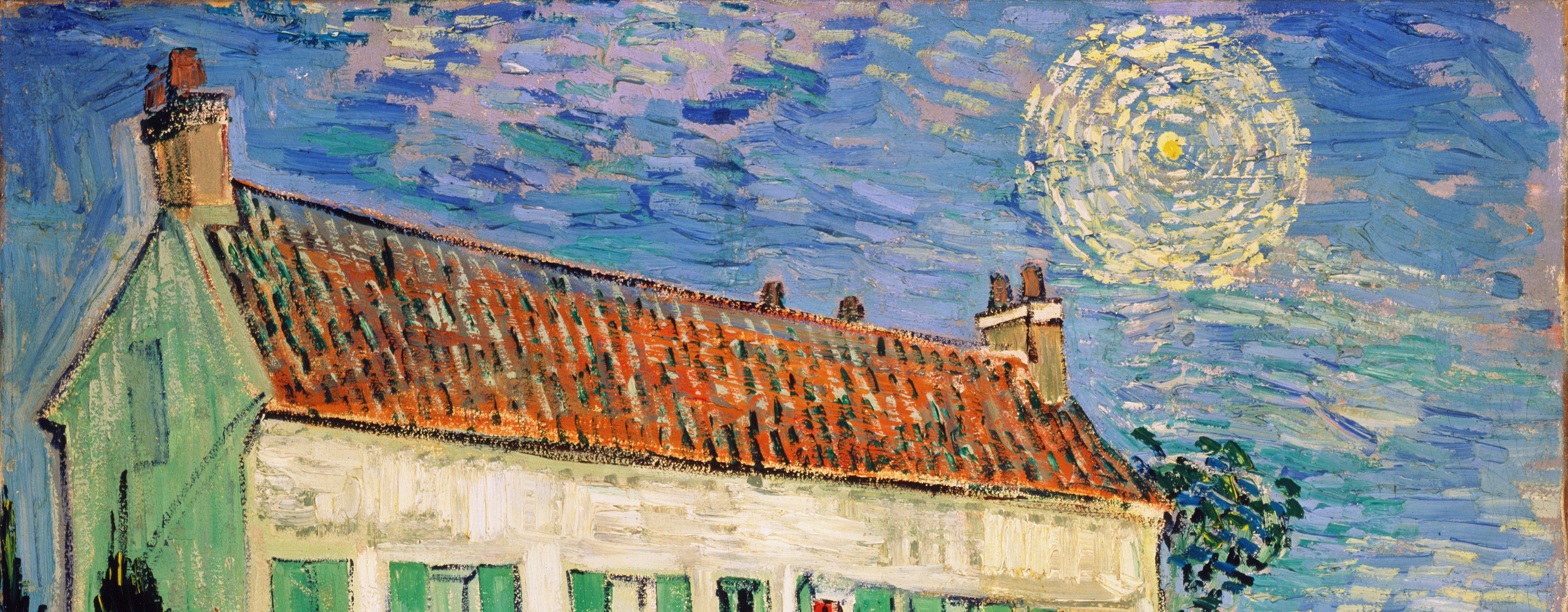
Completed just six weeks before his death, Vincent van Gogh's 'White House at Night' (1890) at the Hermitage Museum reveals a profound psychological depth and surprising astronomical precision. The work captures a solitary house under a twilight sky, imbued with the artist's characteristic expressive brushwork.
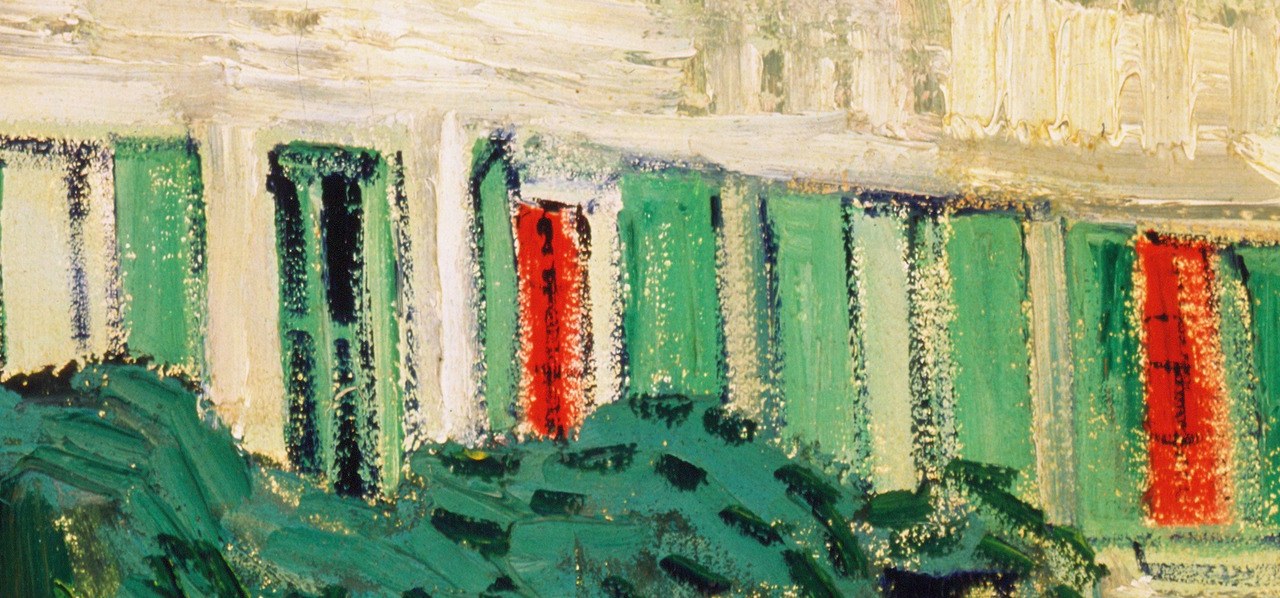
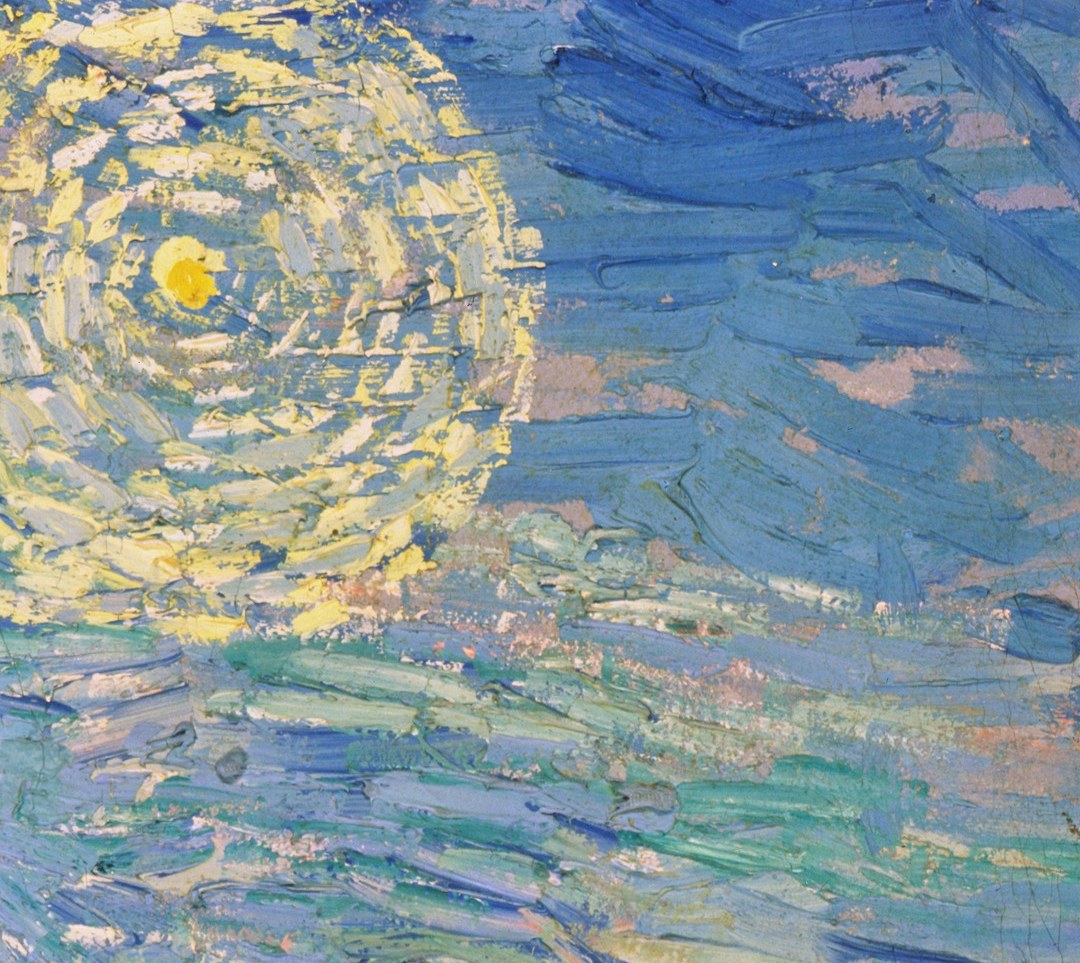
Look closely at the house's striking red-shuttered windows, often interpreted as the 'alarming eyes' of the home, reflecting Van Gogh's intense psychological state. Above, a prominent yellow star swirls in the turbulent sky. Astronomers have identified this as Venus, precisely calculating the scene was captured around 8:00 PM on June 16, 1890.
This painting has a turbulent history of its own. After disappearing into a private German collection in the late 1920s, which included works later labeled 'degenerate art' by the Nazis, it was thought lost after World War II. It resurfaced in 1995 from the Hermitage archives as part of an exhibition of artworks recovered by the Soviets. What hidden details do you notice in Van Gogh's other late works?
Details
Transcript
This house was painted just weeks before the artist's death. It expresses his great psychological tension. These red windows are described as the 'alarming eyes' of the home. Look closely at the swirling yellow star. Astronomers calculated it is Venus, seen at 8 PM, June 16, 1890. It shines brightly in the turbulent sky, a symbol of fate and anguish.