Peasant with a Hoe by Seurat, Georges
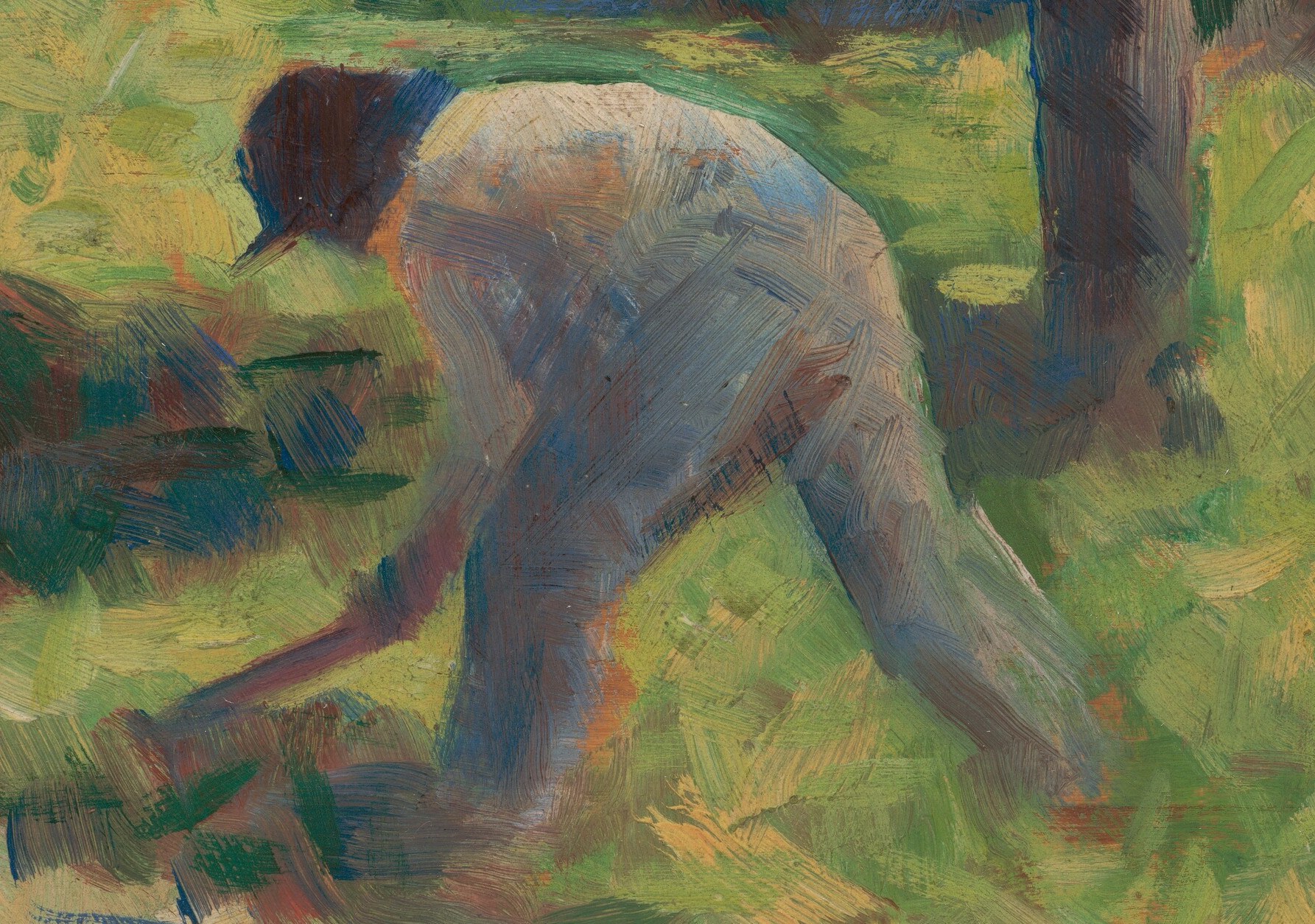
Georges Seurat’s 'Peasant with a Hoe', painted around 1882, offers a fascinating look into the artist's early experiments before he developed his signature Pointillist style. This oil on wood sketch captures a solitary figure engaged in agricultural labor, a common theme in French art of the period.
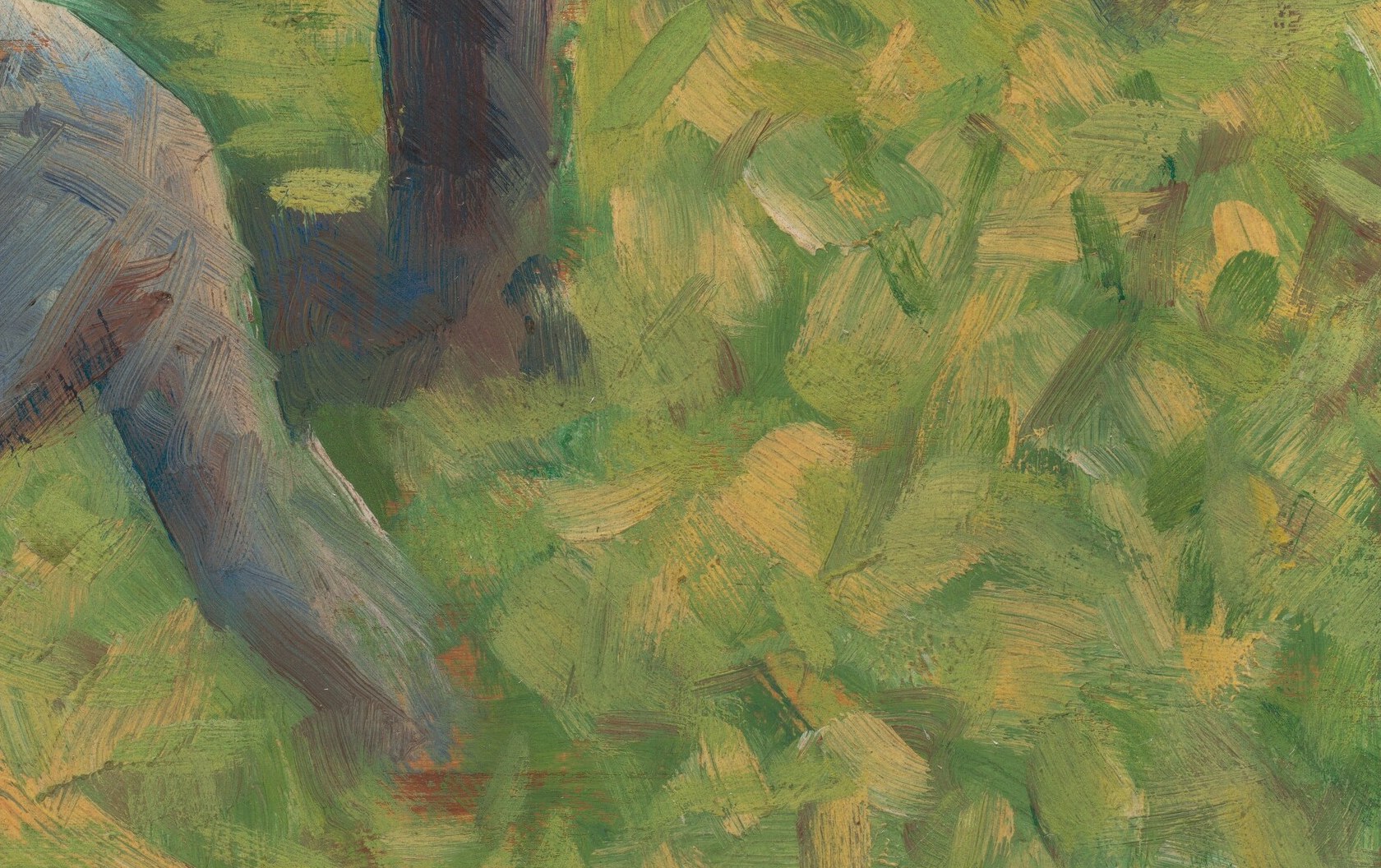
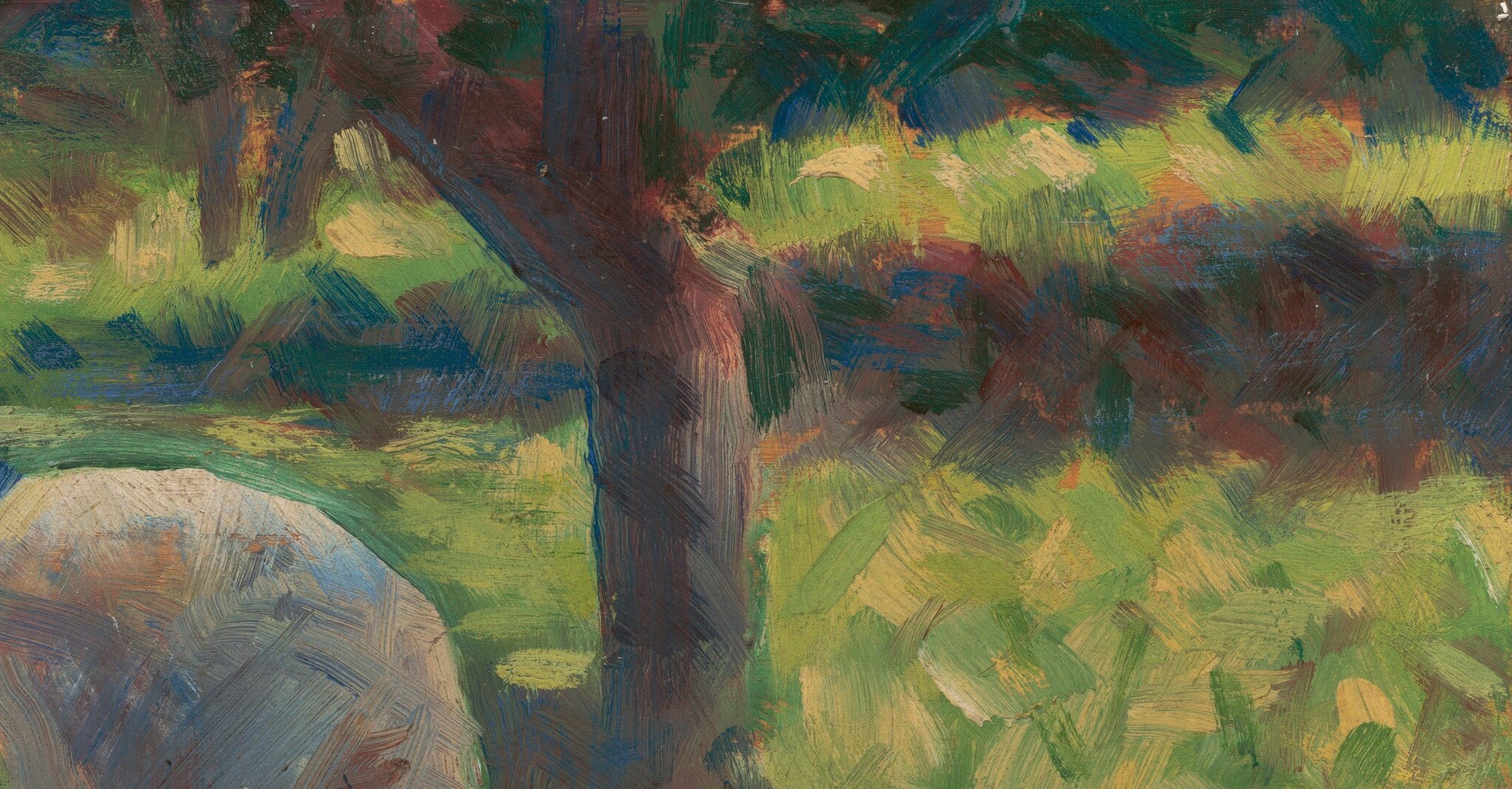
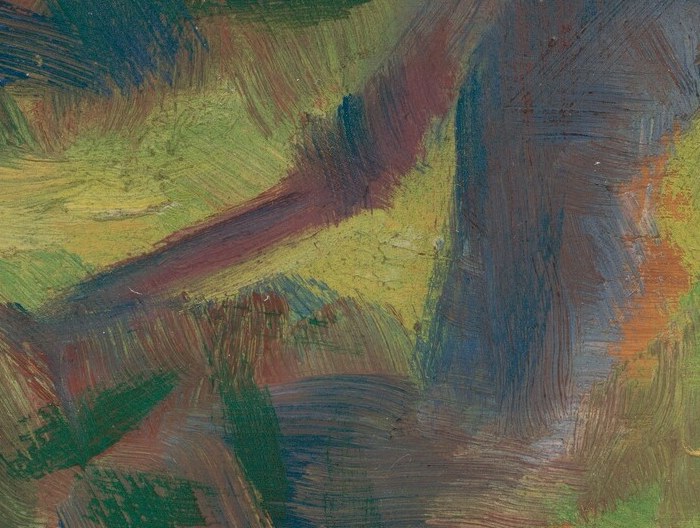
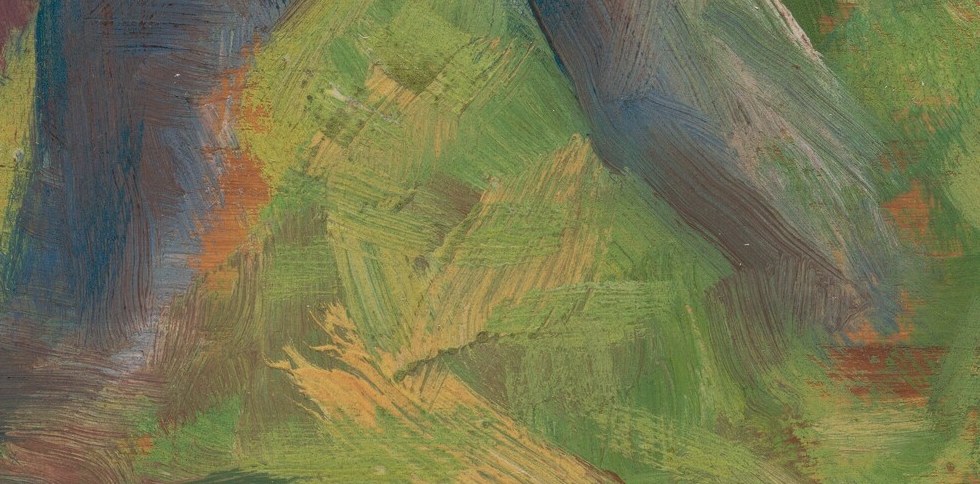
Observe the visible brushstrokes, particularly in the grass and foliage. Seurat uses short, broken marks rather than the systematic dots that would define his later work. This technique still allows individual colors to blend in the viewer's eye, creating a vibrant, textured surface and a sense of atmospheric depth.
The painting emphasizes the physical reality of rural life through the bent posture of the peasant and the central role of his hoe. It reflects Seurat's early exploration of light, color, and form, laying the groundwork for the scientific approach to painting he would soon champion. It's a quiet moment that anticipates a revolution in art.
What do you notice first in this early Seurat?
Details
Transcript
This isn't a famous Seurat. He painted it around 1882. It's an oil sketch, exploring light and labor before Pointillism. Look closely at the strokes, especially in the grass. He’s using short, broken marks, not dots, to build color. The bent figure and his hoe emphasize daily rural toil. His study of light creates a quiet, atmospheric depth.