Landscape with the Fall of Icarus by Pieter Brueghel the Elder
This is Landscape with the Fall of Icarus, an oil painting likely after a lost work by Pieter Bruegel the Elder, c. 1558, in the Oldmasters Museum, Brussels. The true story here is how ordinary life continues, utterly indifferent to individual tragedy.
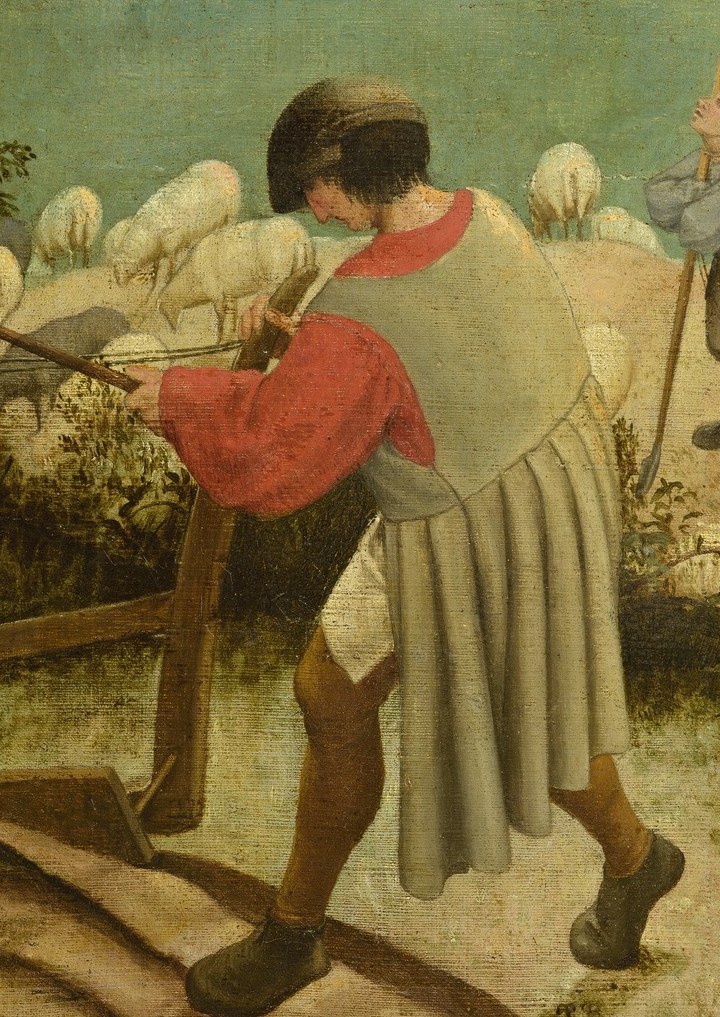
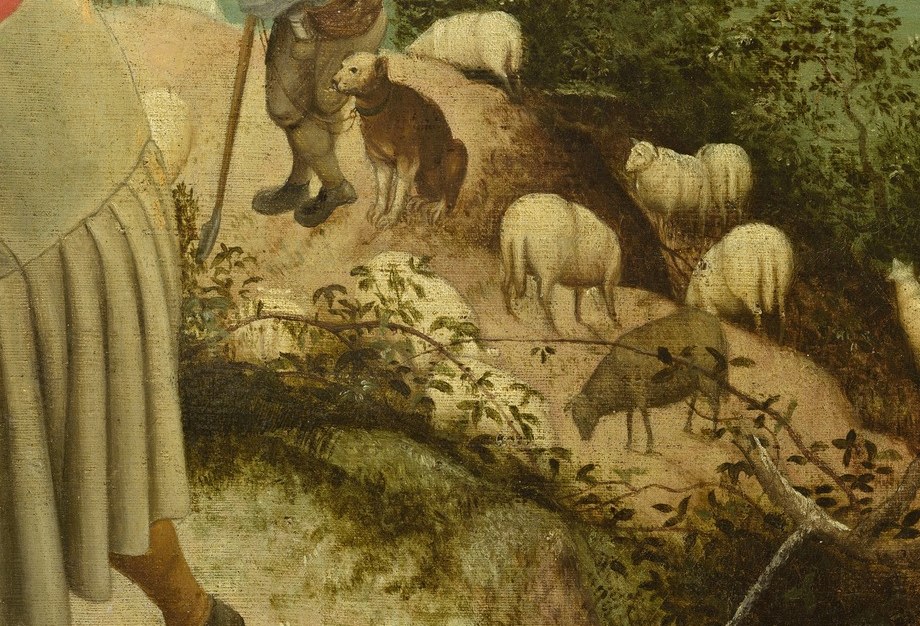
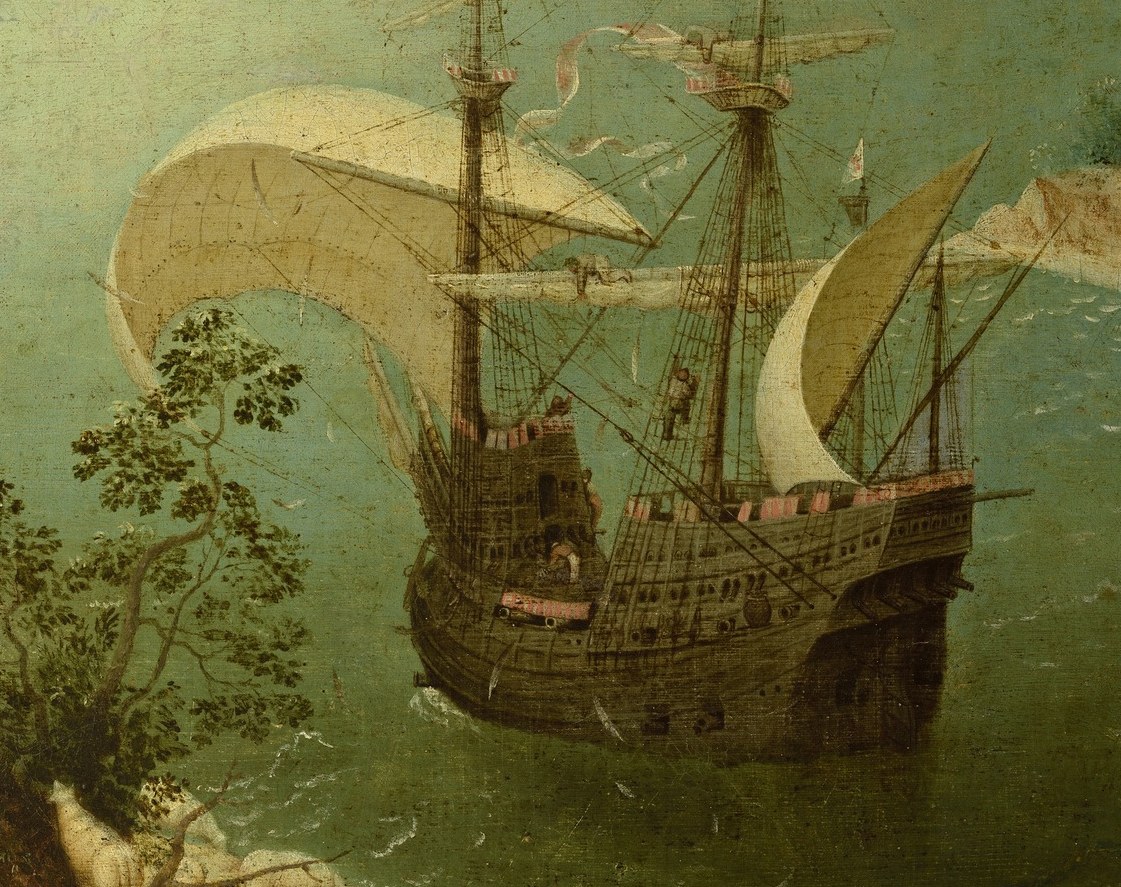
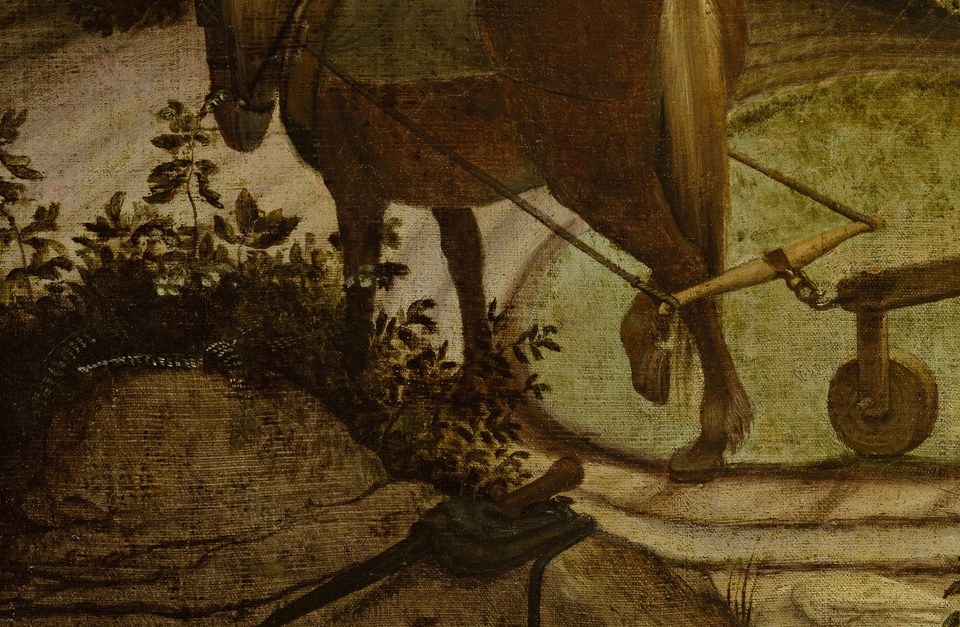
Look at the vast, peaceful landscape. The farmer is focused on his plowing, his horse plodding along. Sheep graze nearby, and a large ship sails on the horizon. These elements of everyday life continue without pause.
Beneath the tranquil surface, a tiny splash marks the drowning of Icarus, the mythical figure. Though the composition is thought to be Bruegel's, the actual painter of this version remains unknown, adding a layer of mystery to the scene.
The painting powerfully conveys human indifference to distant or unnoticed suffering.
Details
Transcript
The world keeps turning, unaware of falling figures. Here the farmer plows his field, unconcerned. His sheep graze peacefully, an ordinary sight. Even a great ship sails onward, by chance. A tiny splash barely disturbs the water. This composition is believed to be Bruegel's lost original. But who painted this version is still unknown.