Woman Ironing by Édouard Vuillard
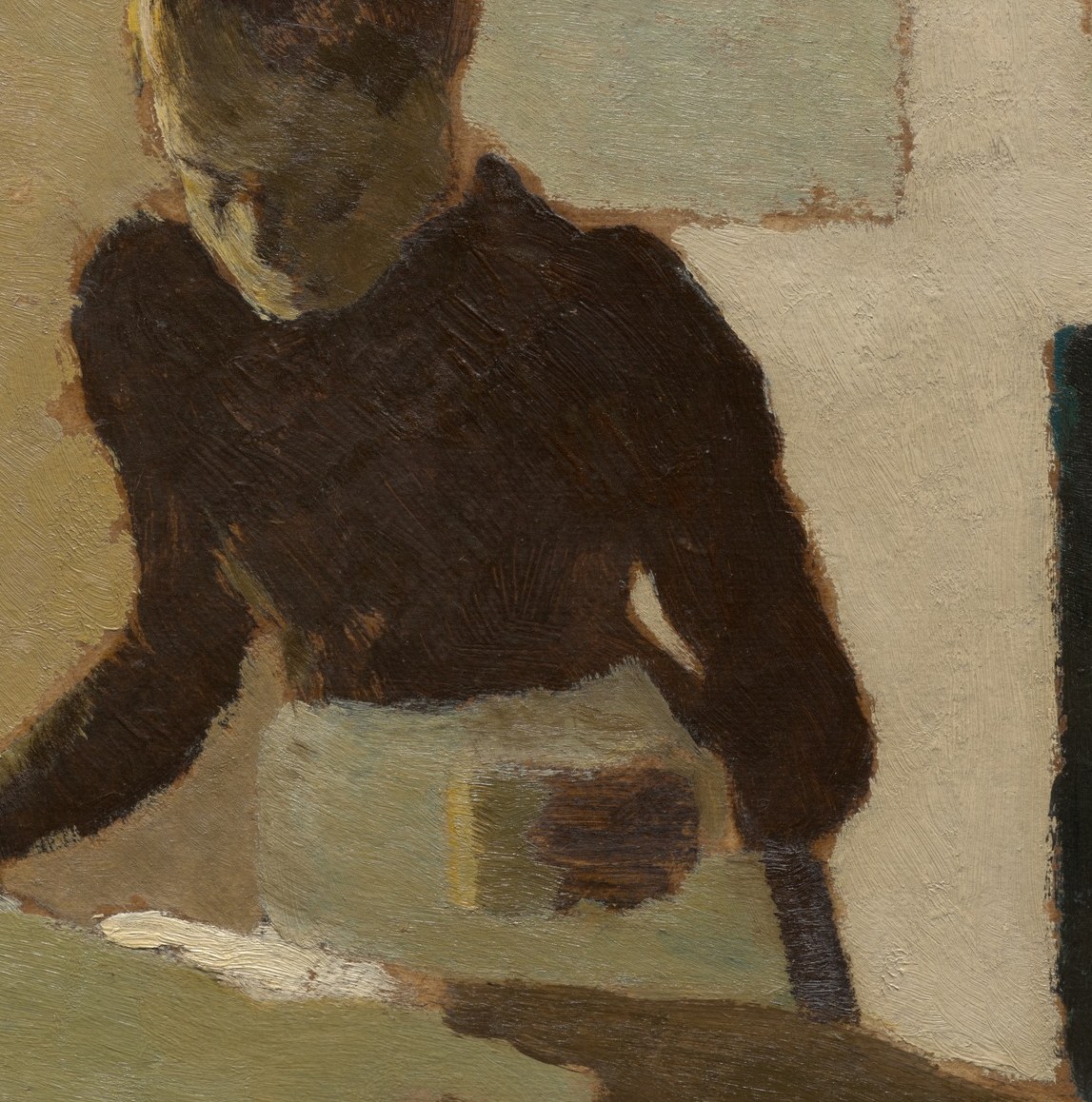
Édouard Vuillard's 1896 oil painting, *Woman Ironing*, shows how the artist and his fellow Nabis transformed everyday scenes into decorative works.
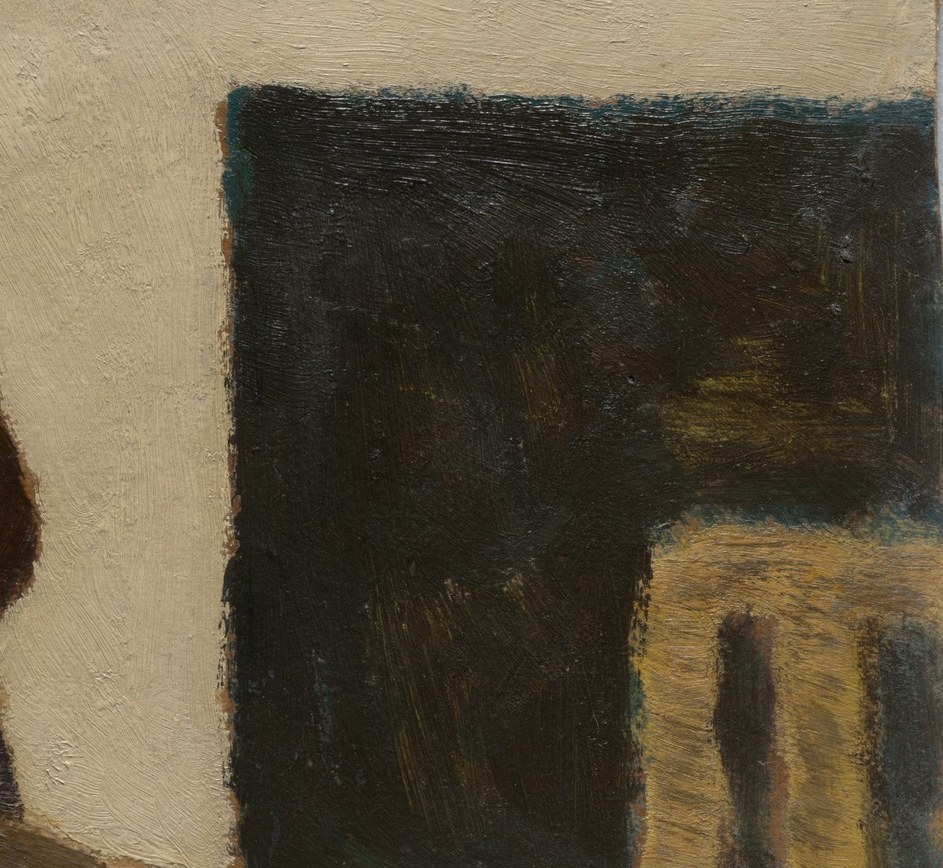
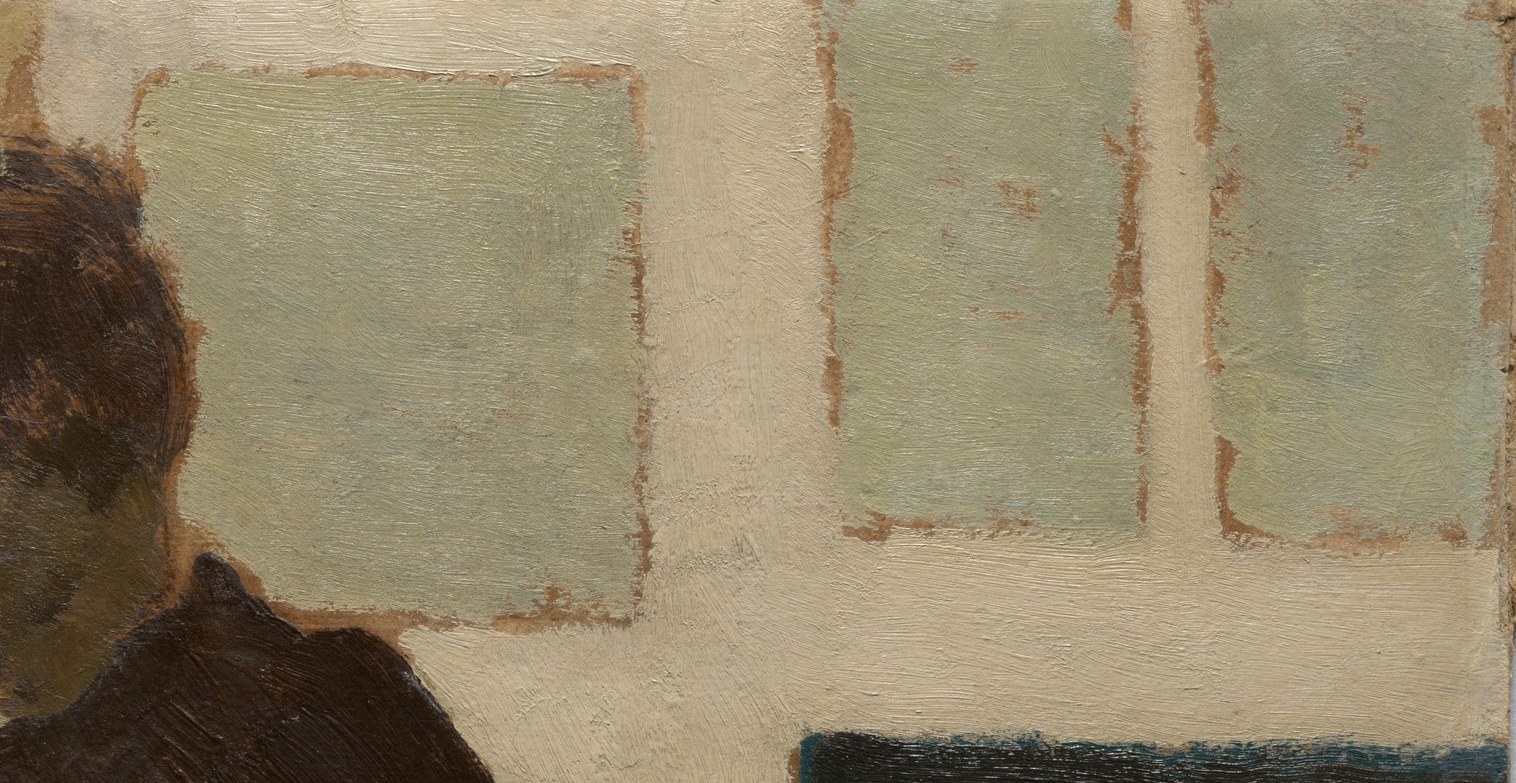
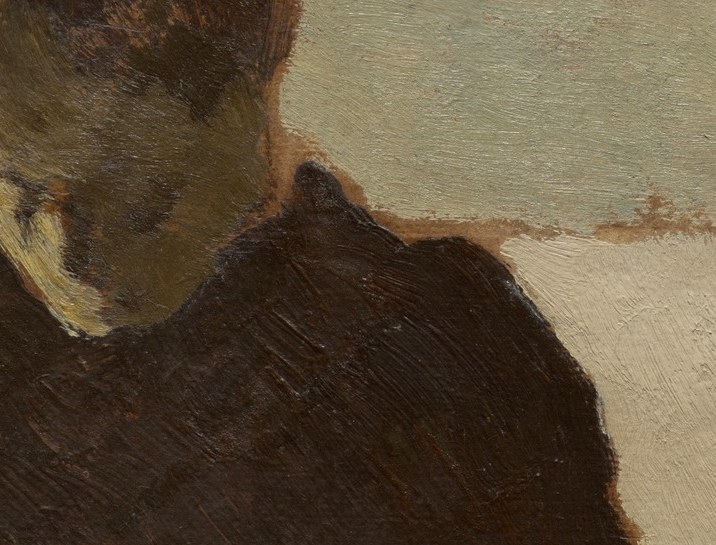
Look closely at the flattened planes of color and simplified forms, particularly in the background walls and the woman's silhouette. This approach, influenced by Japanese prints, moves away from traditional realism to emphasize pattern and mood.
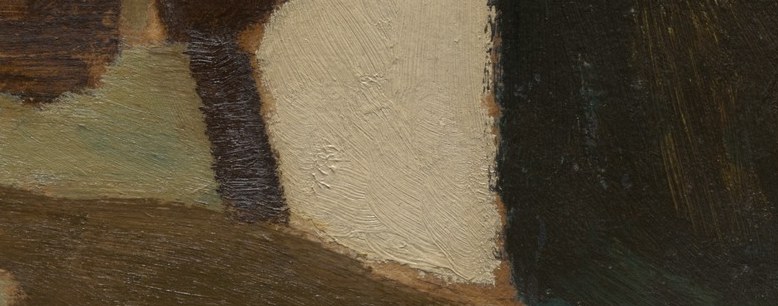
Yet, for all its abstract qualities, Vuillard's technique creates a remarkable sense of texture. The thick, visible brushstrokes on the white cloth make the fabric appear soft and pressed, a testament to his skill in rendering the tactile with minimal detail. This work is part of the collection at The Cleveland Museum of Art.
What details do you find most surprising in its apparent simplicity?
Details
Transcript
This painter was part of a group called 'The Nabis'. They flattened space, like a decorative screen or poster. Notice how the background walls are just blocks of color. Even the woman's face is a simple, dark silhouette. But the flat brushstrokes here make the fabric feel real. It's all paint, yet it feels soft, creased, and ironed.