The governors of the guild of St. Luke, Haarlem, 1675 by Jan de Bray
Jan de Bray's "The governors of the guild of St. Luke, Haarlem, 1675" captures a quiet, poignant moment from the Dutch Golden Age. This oil painting, completed in 1675 and housed in the Rijksmuseum, is more than just a formal group portrait; it's a deeply personal work for the artist.
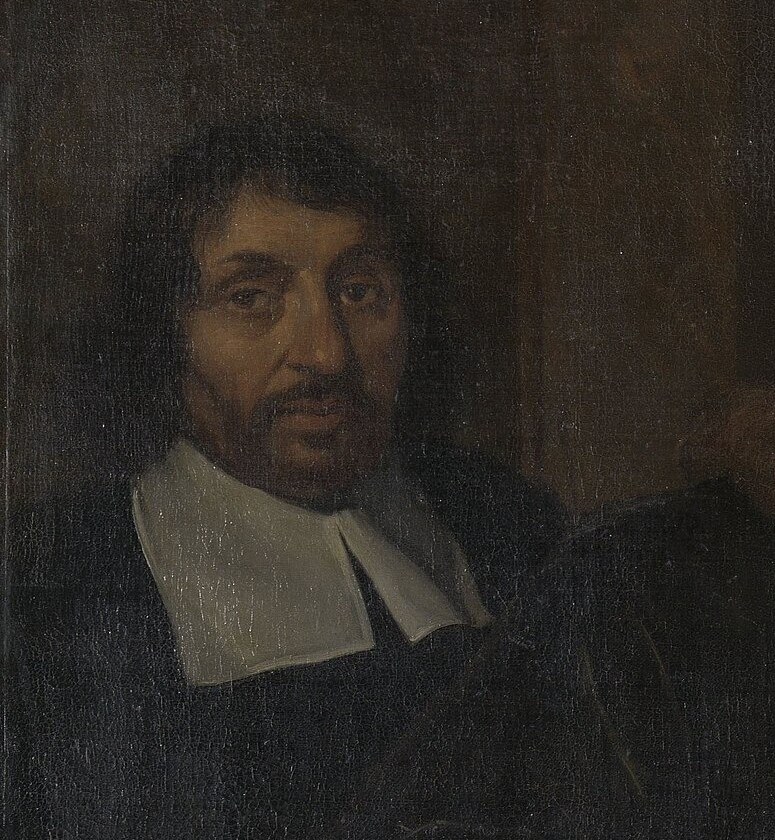
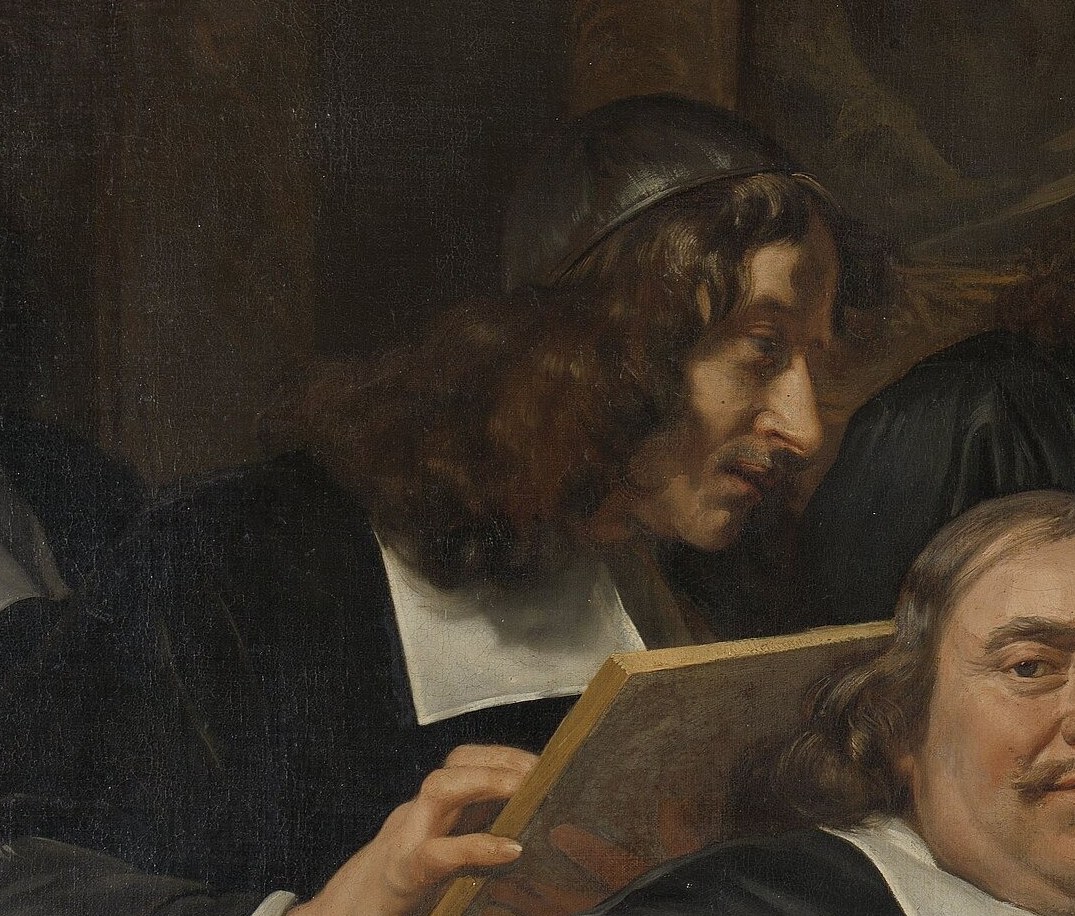
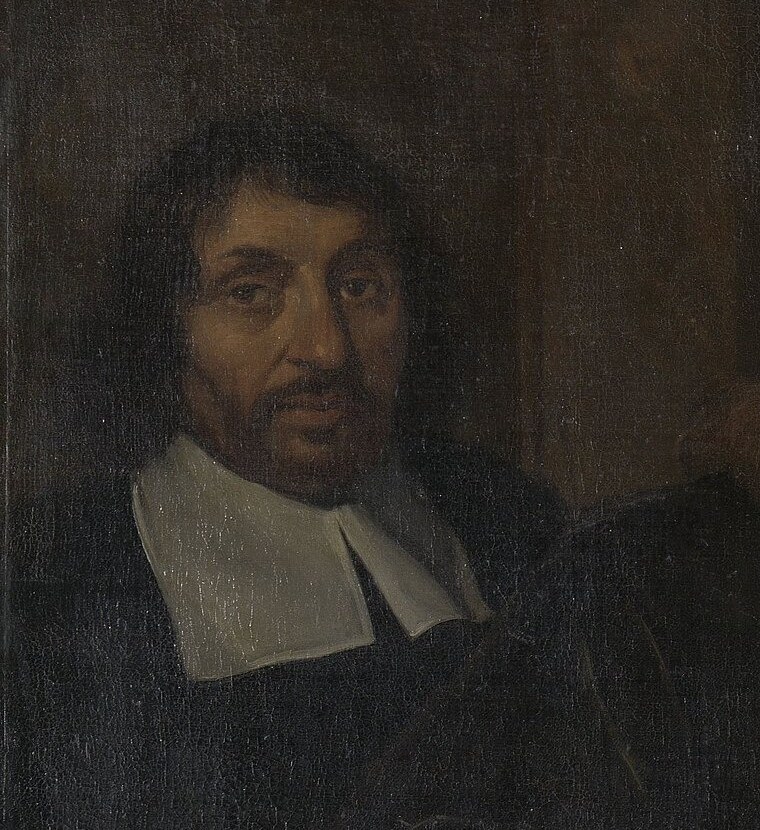
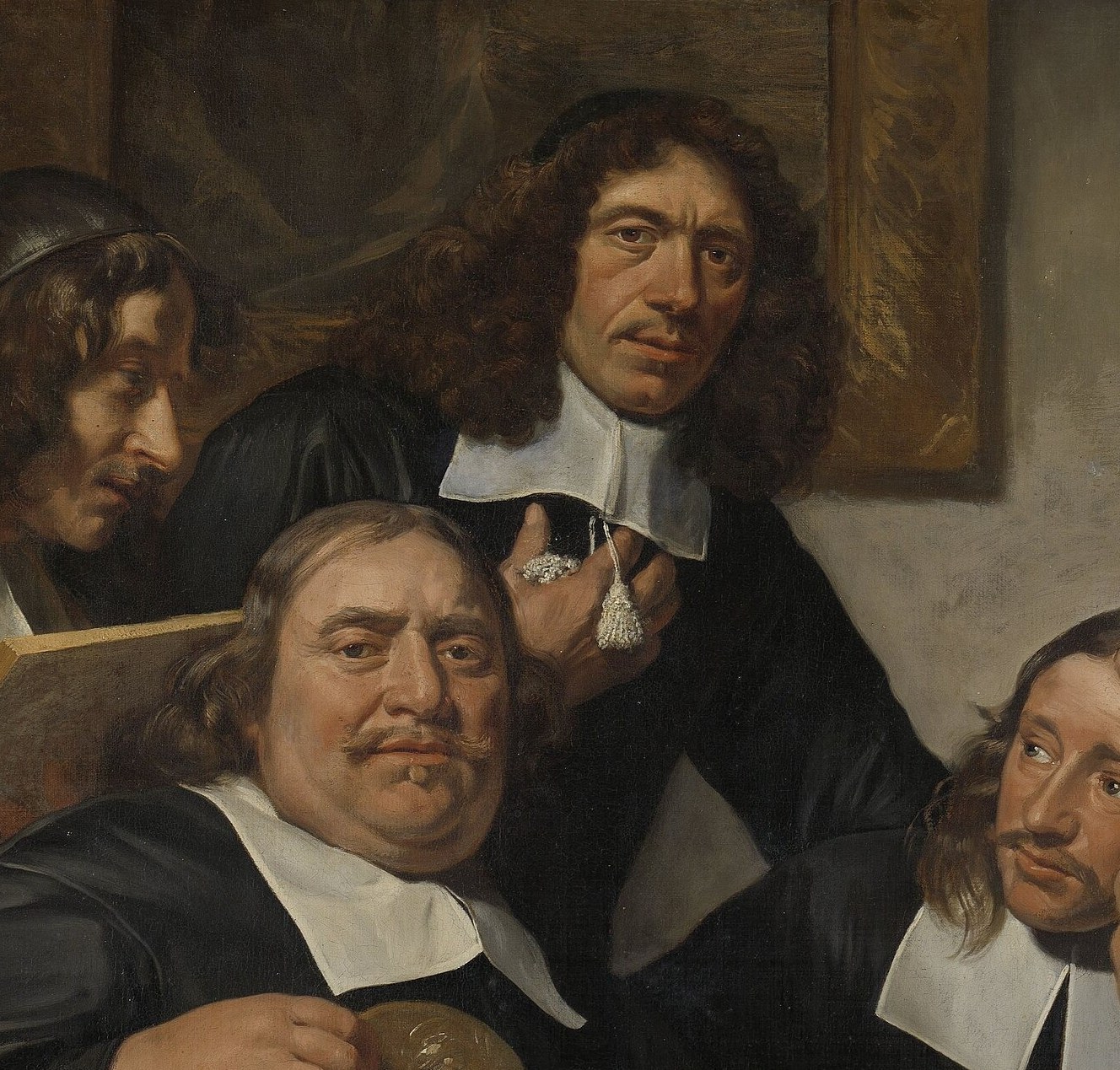
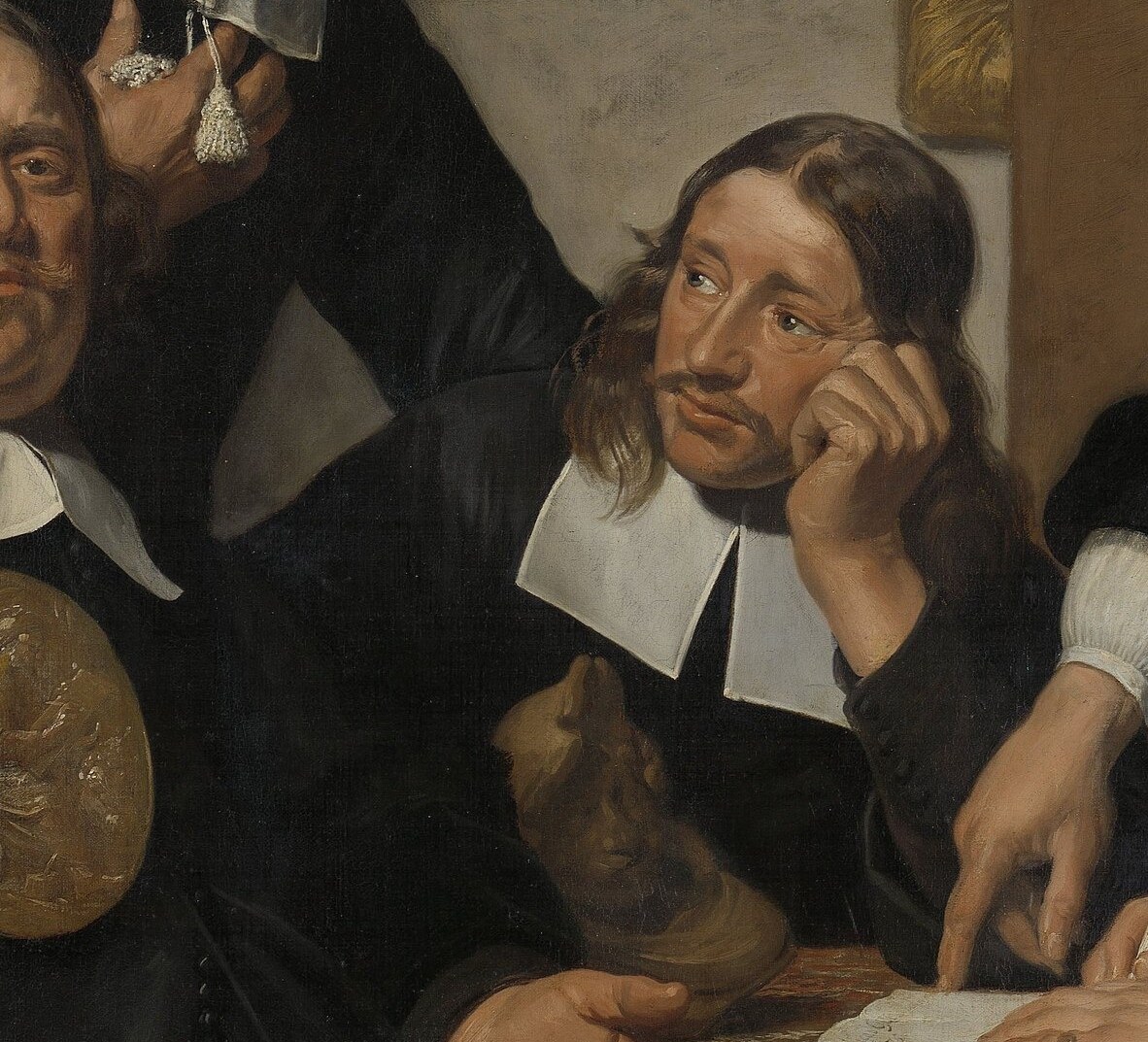
Look closely at the figures. The artist, Jan de Bray, included himself among the governors of the Haarlem Guild of St. Luke. His brother, Dirck de Bray, is also present. This reflects Jan de Bray's practice of incorporating family members into his art.
The context of this painting is particularly affecting. The years leading up to 1675 saw the devastating plague of 1663-1664 sweep through Haarlem, claiming the lives of most of Jan de Bray's family. By the time this portrait was painted, only Jan and his brother, Dirck, remained.
This work, therefore, stands as a testament to the guild's importance, a record of its leadership, and a silent memorial to personal loss. What do you see in their expressions?
Details
Transcript
This is a group portrait of Haarlem's Guild of St. Luke, 1675. The Guild regulated artists, so this painter put himself in it. He is Jan de Bray, the artist. Look closely at his face. His brother, Dirck de Bray, is also a governor here. This painter often used his family as models for his works. But the plague of 1663-1664 had killed most of them. By 1675, only Jan and his brother were left.