A Scene from The Beggar's Opera by Hogarth, William
William Hogarth's *A Scene from The Beggar's Opera* (1728) at the Tate Britain, captures a pivotal moment from John Gay's popular ballad opera. Yet, Hogarth, renowned for his satirical eye, turns the spotlight from the stage to the society itself, making the audience the true subject.
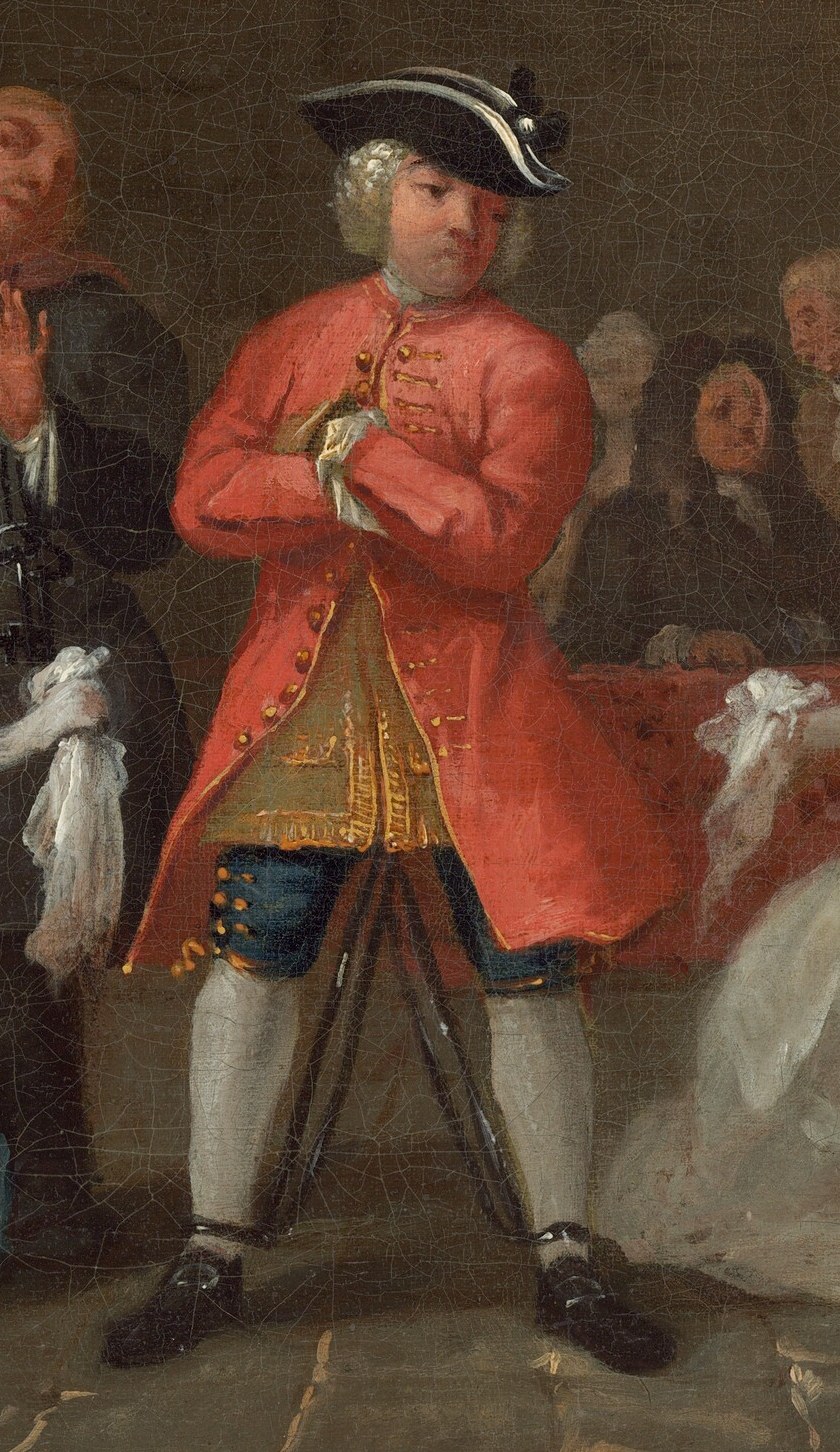
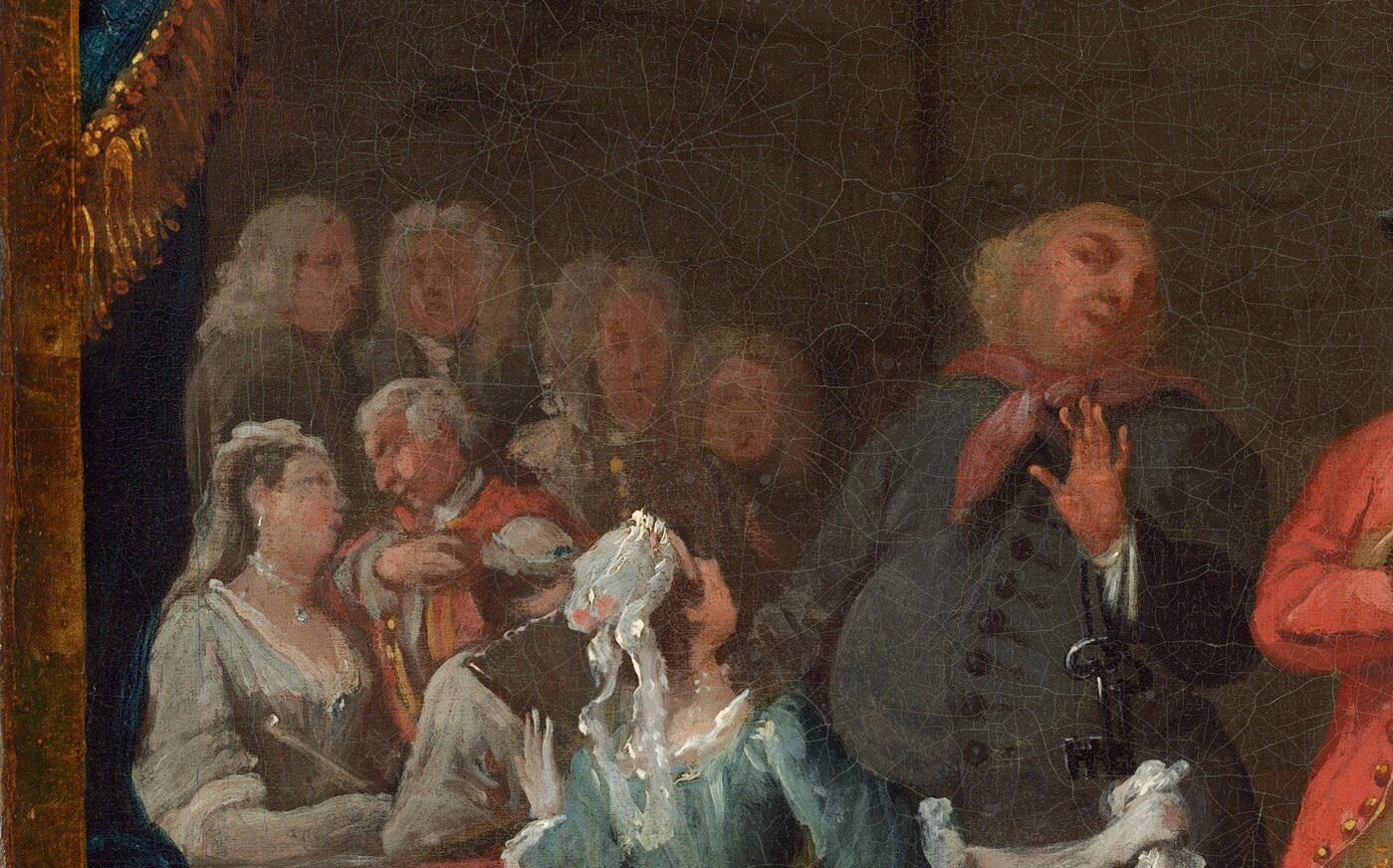
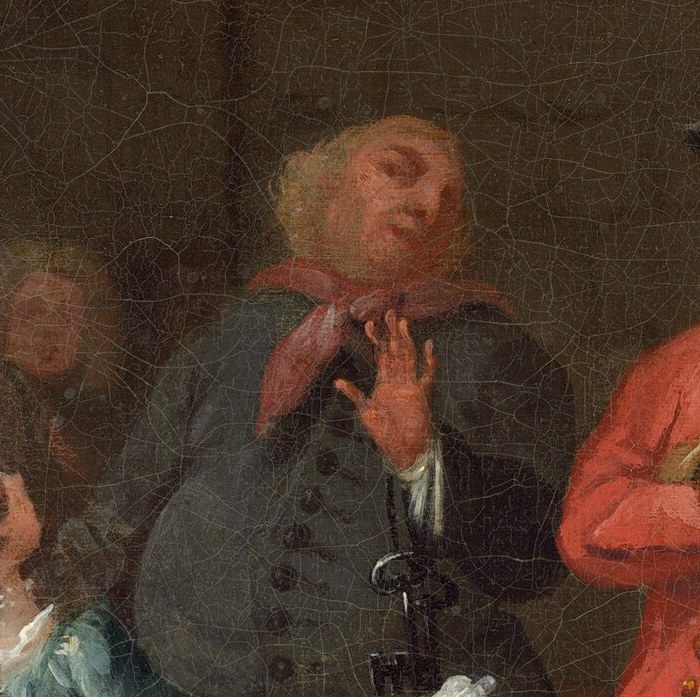
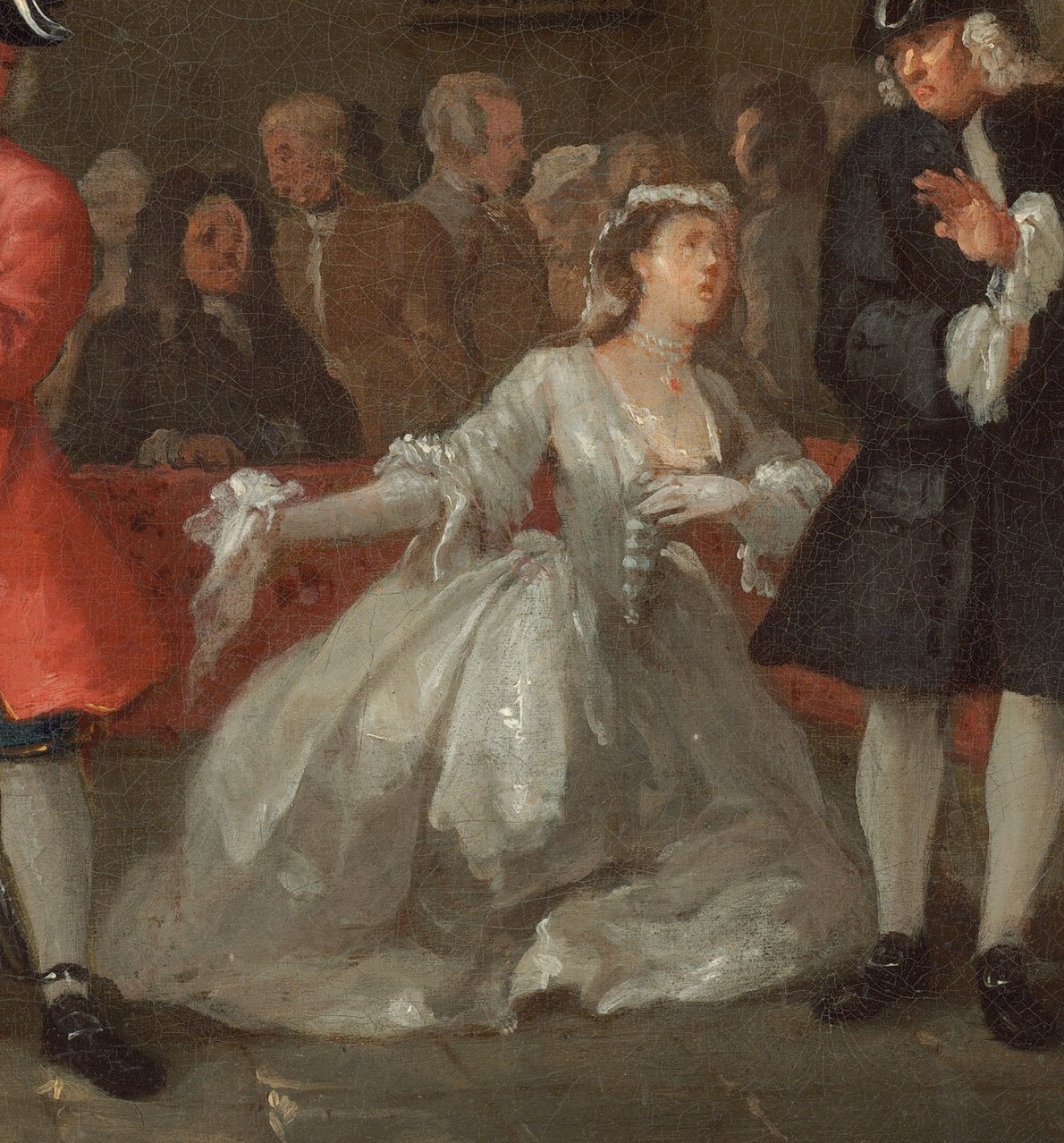
Look closely at the expressions among the spectators: from engaged to disinterested, their faces reveal the diverse social strata and reactions to the performance. The central actors in their vibrant costumes are merely a backdrop for Hogarth's keen observation of human nature and social commentary.
Created shortly after the opera's premiere, the painting was a commercial success, appealing to private collectors already familiar with the work's popularity. Hogarth, an English painter and engraver, was celebrated for his "modern moral subjects" and ability to blend visual storytelling with sharp social critique.
This piece exemplifies Hogarth's genius for capturing the blurred lines between public entertainment and private morality in 18th-century England. What do you see in the audience's faces?
Details
Transcript
This painting depicts a scene from a wildly popular 18th-century opera. The central figures are the actor, and the actress kneeling before him. But the painter fills the box seats with the opera's real stars. This man reacts dramatically, his mouth open in surprise or delight. Another figure, in a tricorn hat, watches the scene intently. This painting, made by a social satirist, captures the audience, not the play.