宋 佚名 倣周昉 戲嬰圖 卷|Palace Ladies Bathing Children by Zhou Fang|Unidentified artist
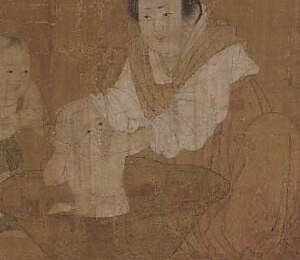
This beautiful Chinese handscroll, "Palace Ladies Bathing Children," painted by an unidentified artist around 1100 during the Song dynasty, isn't just a charming domestic scene. It subtly carries a deeper, coded message of hope and prosperity.
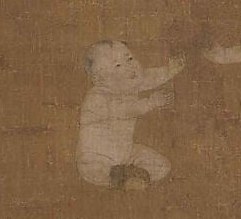
Notice the vibrant children, energetically engaging with their caregivers. But the true key to understanding the painting's underlying meaning lies in a small, almost hidden detail: a motif of entwined snakes in the upper right. In traditional Chinese culture, snakes are powerful symbols of fertility, protection, and good fortune.
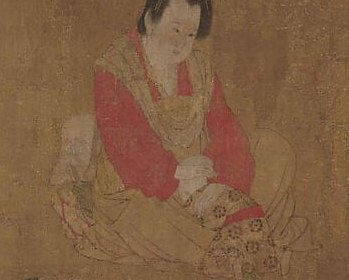
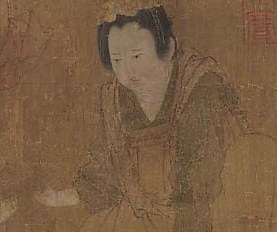
The artist, though unknown, consciously imitated the style of Zhou Fang, a renowned Tang dynasty painter known for his depictions of court ladies. This homage, combined with the symbolic snakes and the prominent portrayal of numerous healthy children, transforms the artwork into a visual prayer, a wish for a flourishing lineage and well-being within the household.
What other subtle symbols might artists weave into their works to convey deeper meanings?
Details
Transcript
This handscroll shows women bathing children in a domestic scene. It was painted around 1100, imitating an earlier master. These lively children fill the painting with energy. But look closely at the upper right corner of the scroll. A subtle motif of entwined snakes appears, almost hidden. In Chinese culture, snakes are symbols of fertility and protection. So, this entire painting is a wish for many healthy children.