Landscape and Figures by http://www.wikidata.org/.well-known/genid/639eb9f91317a81fd77c5da5d7e93466
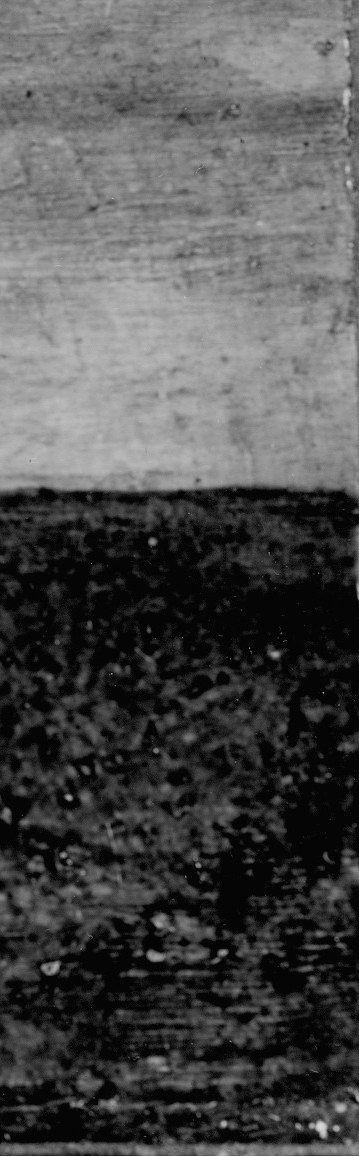
This is Landscape and Figures, painted in 1913 by an artist whose identity remains uncertain. When it appeared at the Paris Salon, it met immediate hostility. Critics and the public had come expecting clear, legible landscapes, and instead found a nearly abstract row of spectral forms dissolving into blackness.
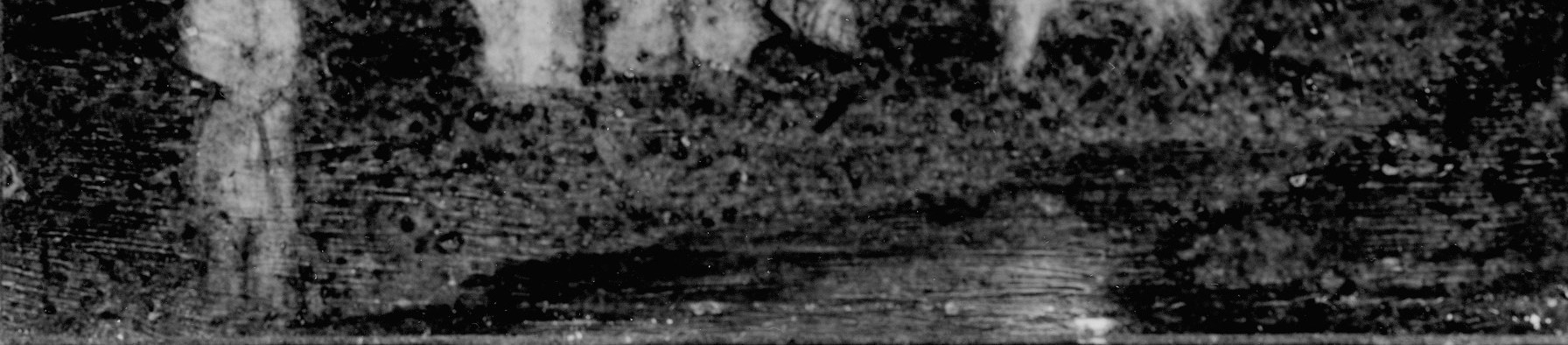
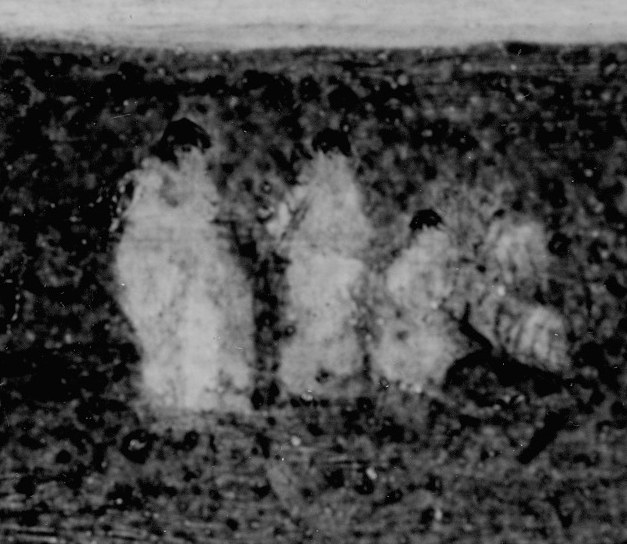
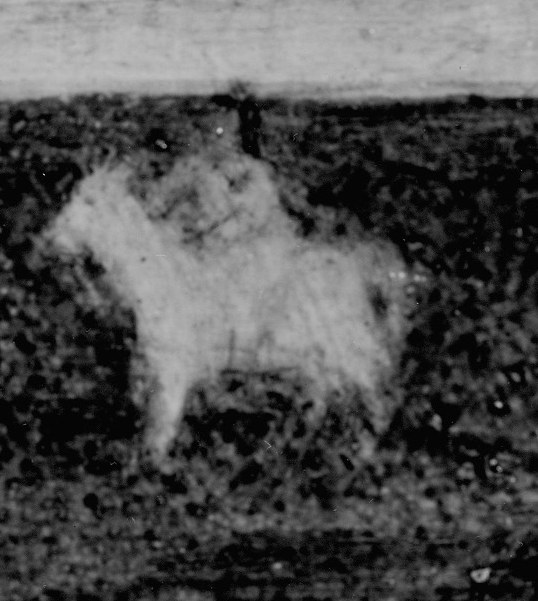
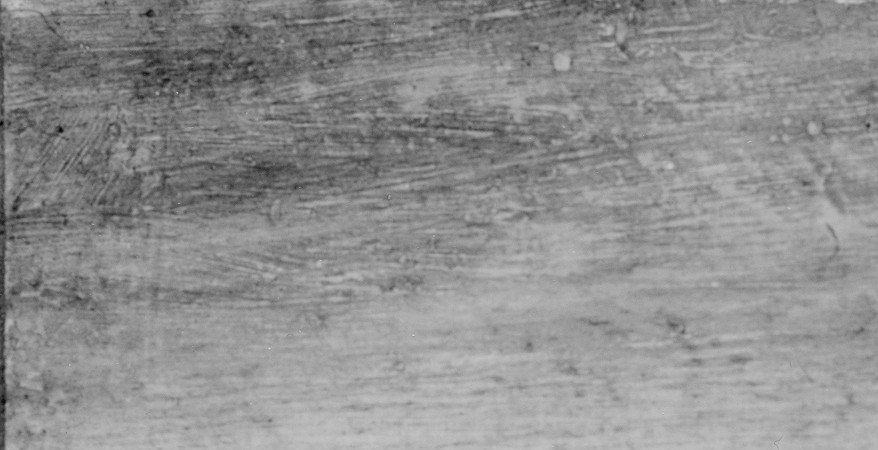
Look closely at the canvas. The sky is not a smooth wash. It is thickly applied, rough impasto that reveals the physical act of painting. The figures, whether standing, walking, or riding, are deliberately blurred into near-obscurity. The artist refused to clarify if they were human or animal, leaving the viewer in a state of ambiguity that the Salon of 1913 was not ready to accept.
The darkness pressing in from the right margin gives the procession a clear destination: the unseen. The horizon is barely a smudge, making the ground feel like a void that is actively swallowing the figures from below. The central horseman, visible only as a pale silhouette, serves as the lone anchor in a composition that otherwise abandons all the conventions of Salon painting.
Why would an artist in 1913, on the eve of a world war, choose to paint a procession into the void? We may never know the name, but the question they left us remains stark and immediate.
Details
Transcript
The Paris Salon of 1913 was expecting landscapes. Instead, they saw this. Five ambiguous figures, walking into a black void. The artist refused to clarify if they were human or animal. Critics called it an insult to the public trust. But the physical paint itself told a different story. Thick, rough, and heavily worked. A labor of pure atmosphere. The figures don't arrive. They are leaving the world of the visible.