The Adoration of the Christ Child by Italian 15th Century
This painting, "The Adoration of the Christ Child" by an Italian 15th-century artist, created around 1440/1445 and painted in tempera on poplar panel, captures a moment of profound, quiet devotion. It's a testament to the intimate way sacred stories were depicted.
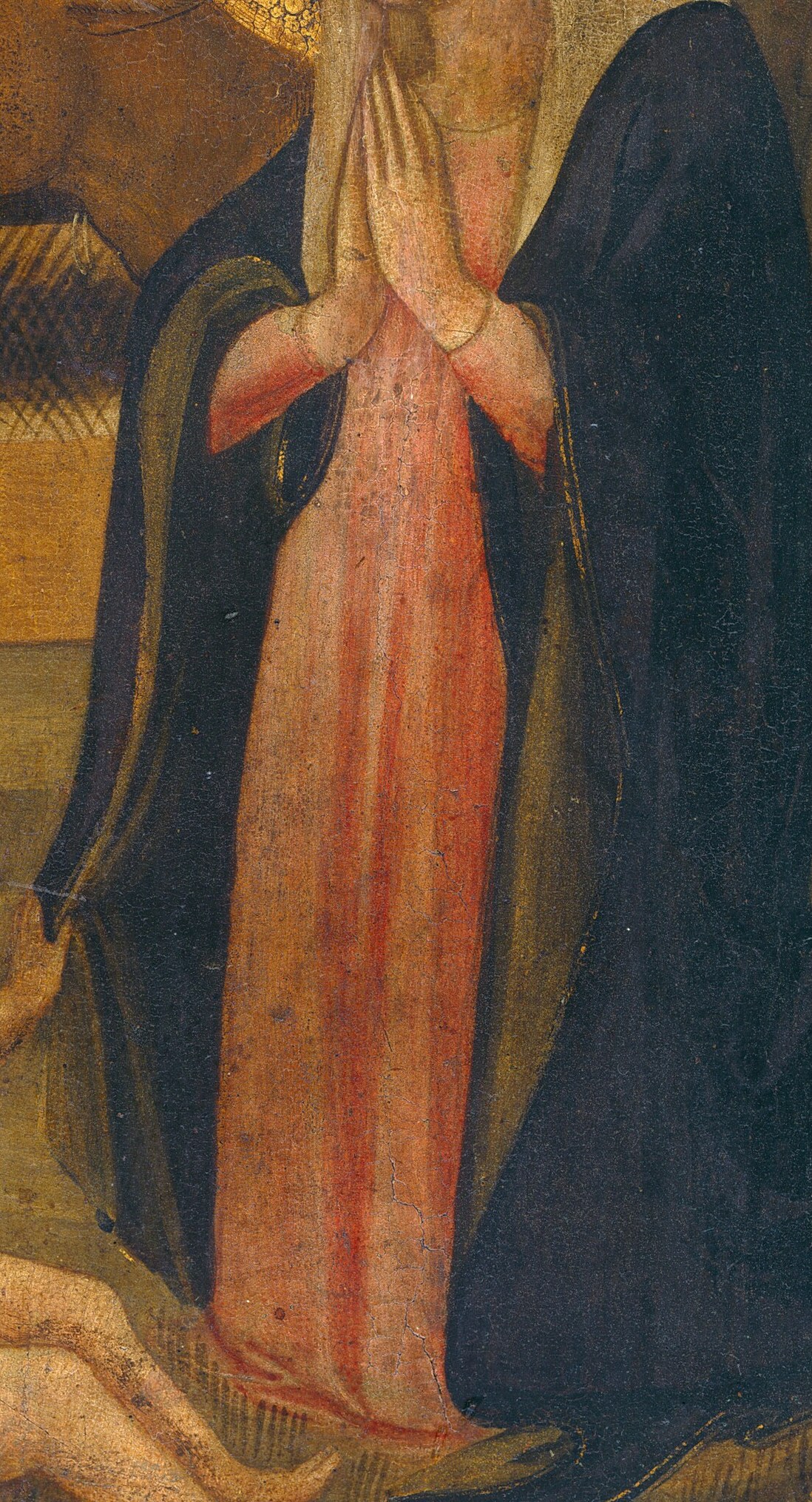
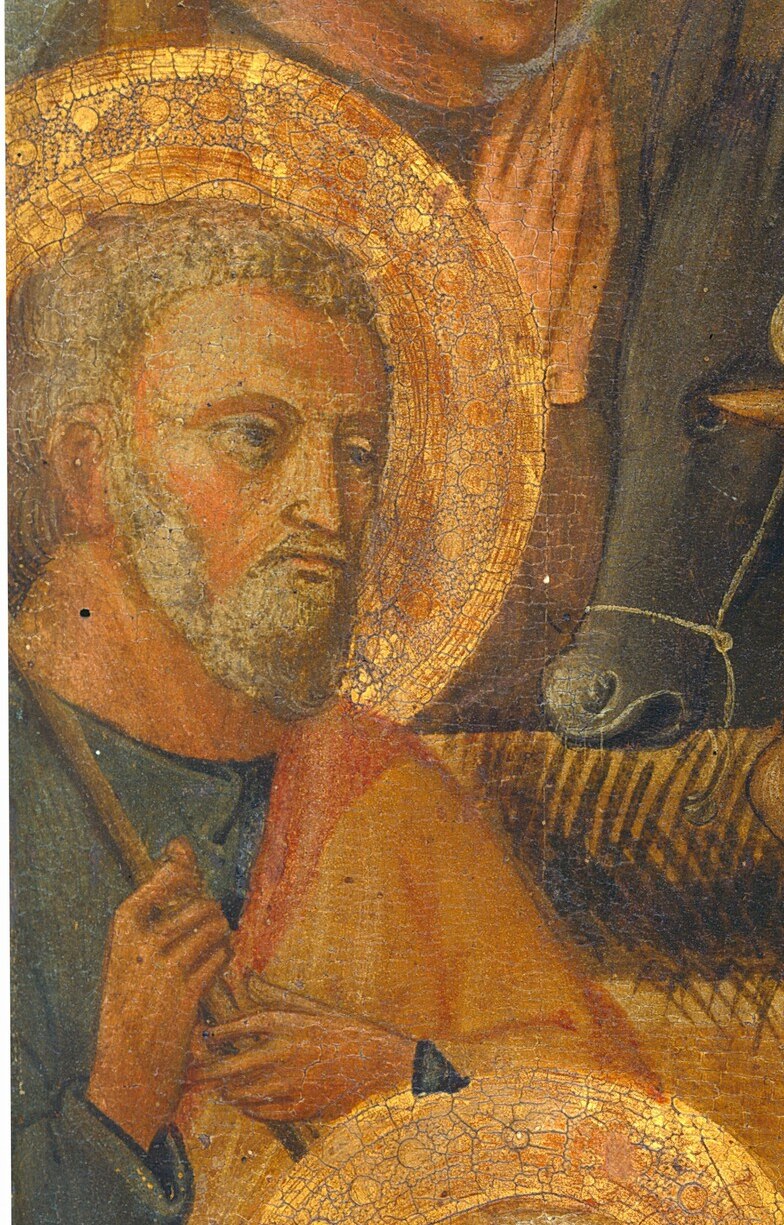
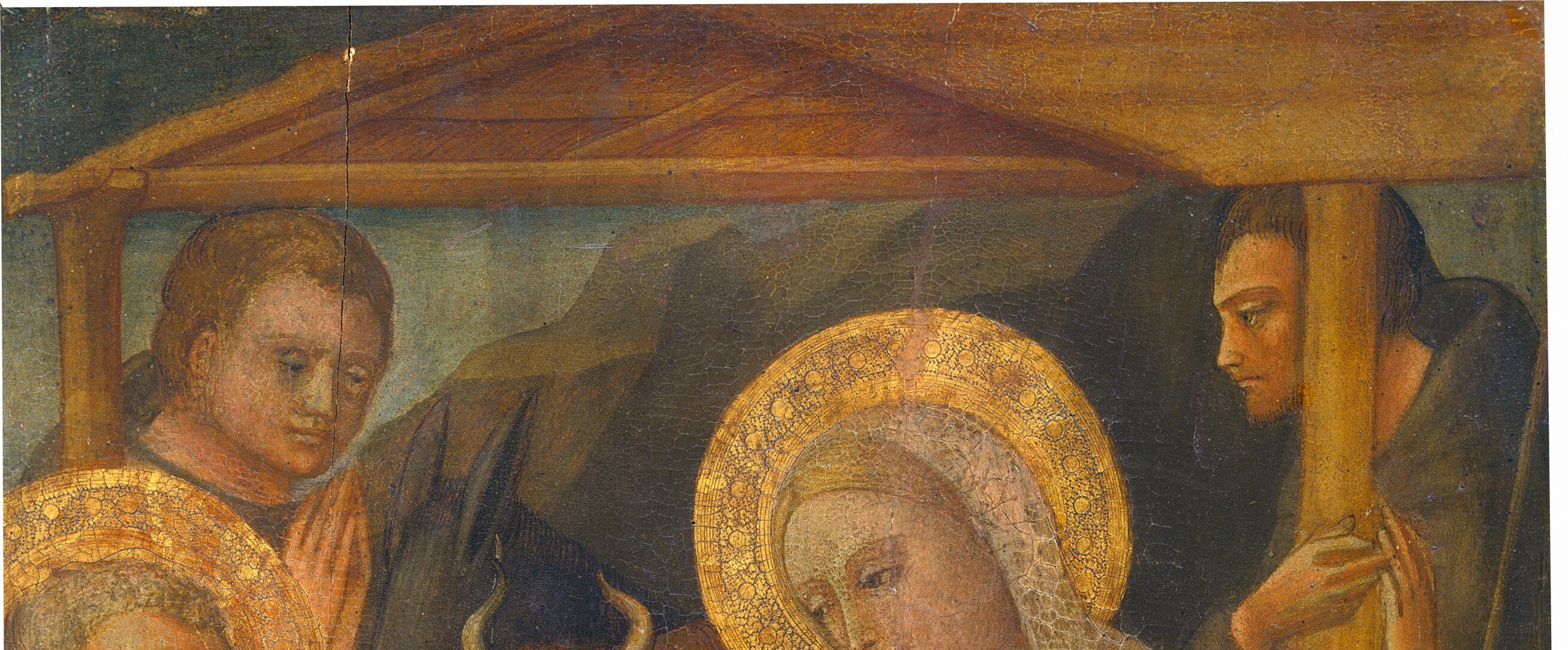
Look closely at the figures. The Virgin Mary bows in prayer, her hands delicately clasped, expressing a deep maternal love and reverence. Saint Joseph watches over them with a weathered, protective gaze. The infant Christ child lies on the ground, his body plump and vulnerable, yet radiating divinity.
Tempera on wood was a common medium for religious works of this era, allowing for vibrant colors and fine details. The humble stable setting and the surrounding figures, including a shepherd and an ox, emphasize the accessibility of this divine event to all.
What emotions does this quiet scene stir in you?
Details

Transcript
This quiet scene of adoration feels very personal. Look at the Virgin Mary, bowed in prayer. Her clasped hands express deep devotion and maternal love. Saint Joseph, with his weathered face, watches over them. The Christ child, glowing, lies vulnerably on the ground. This tempera on panel was painted in 15th-century Italy. A humble scene, yet full of quiet, sacred wonder.