Self-Portrait by Henri Fantin-Latour (French, 1836–1904)
Henri Fantin-Latour painted this unsparing self-portrait in 1858, at the age of 22. It hangs at The Metropolitan Museum of Art.
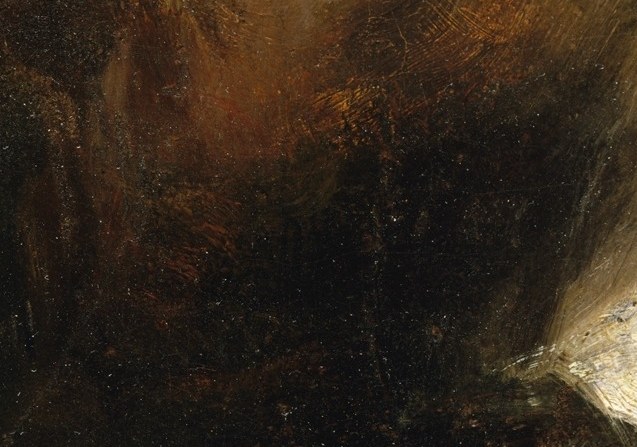
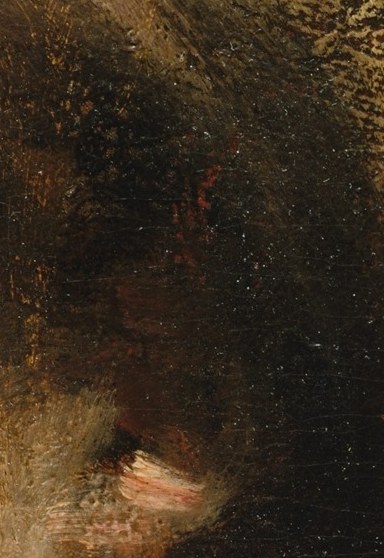
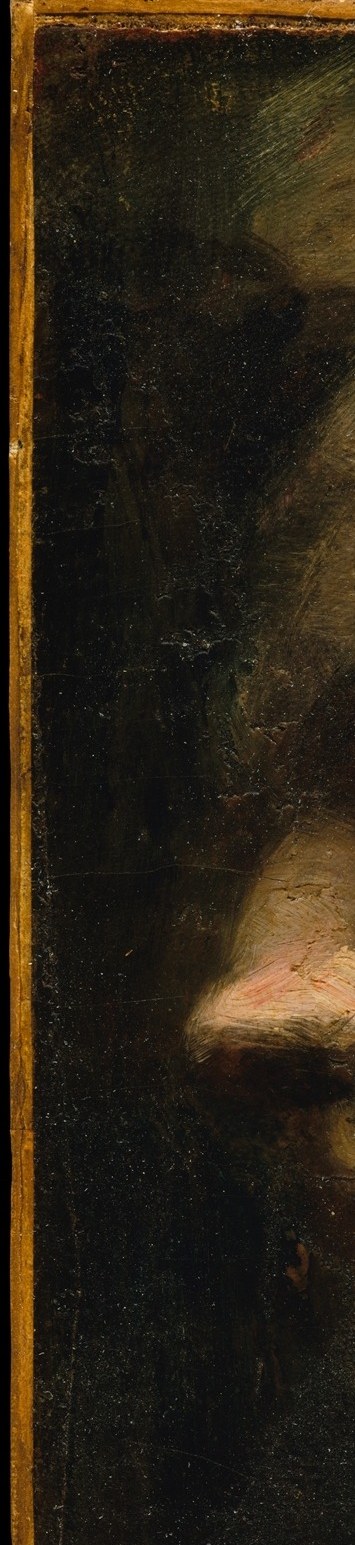
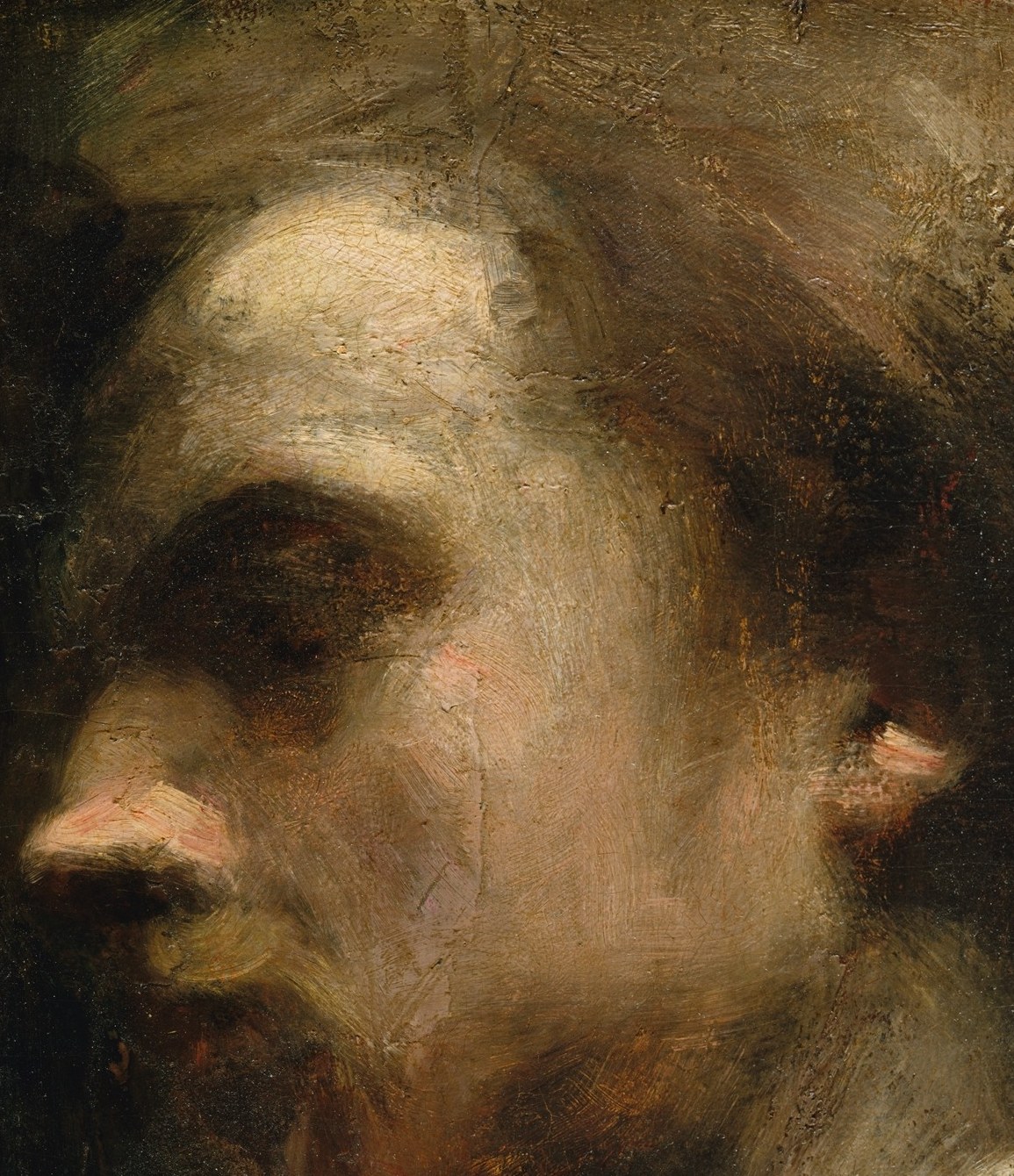
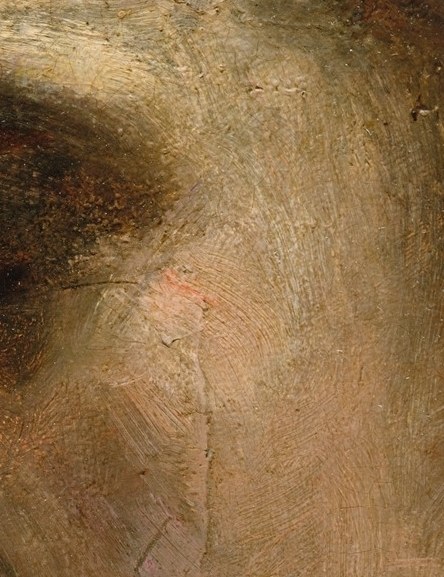
Long before he became famous for his lush flower still lifes, Fantin-Latour trained his eye on himself. The result is a portrait stripped of vanity. His face emerges from a nearly lightless void, one eye fixed in quiet introspection, the other lost entirely to shadow. Look closely at the right side of the face: the ear is barely legible, dissolved into the dark ground. He has painted his own body as a thing receding from view.
This was a deliberate choice. Fantin-Latour revered the Old Masters, especially Rembrandt, and here he borrows a severe chiaroscuro that makes the figure feel both present and remote. The white collar at his throat is the only bright note in the lower half of the canvas, a small sign that he is a working artist in his studio clothes, not a bourgeois sitter performing for posterity.
What do you make of a painter who hides part of himself in his own self-portrait?
Details
Transcript
He was 22, and not yet famous for flowers. Look at the bottom edge of the painting. A flash of white collar. He's dressed for work. Now find his right ear in the darkness. It's nearly gone. Painted into oblivion. He studied Rembrandt, who dissolved form into shadow. The void presses him forward, honest and unguarded.