A Musical Gathering at the Court of the Elector Karl Albrecht of Bavaria by Peter Jacob Horemans
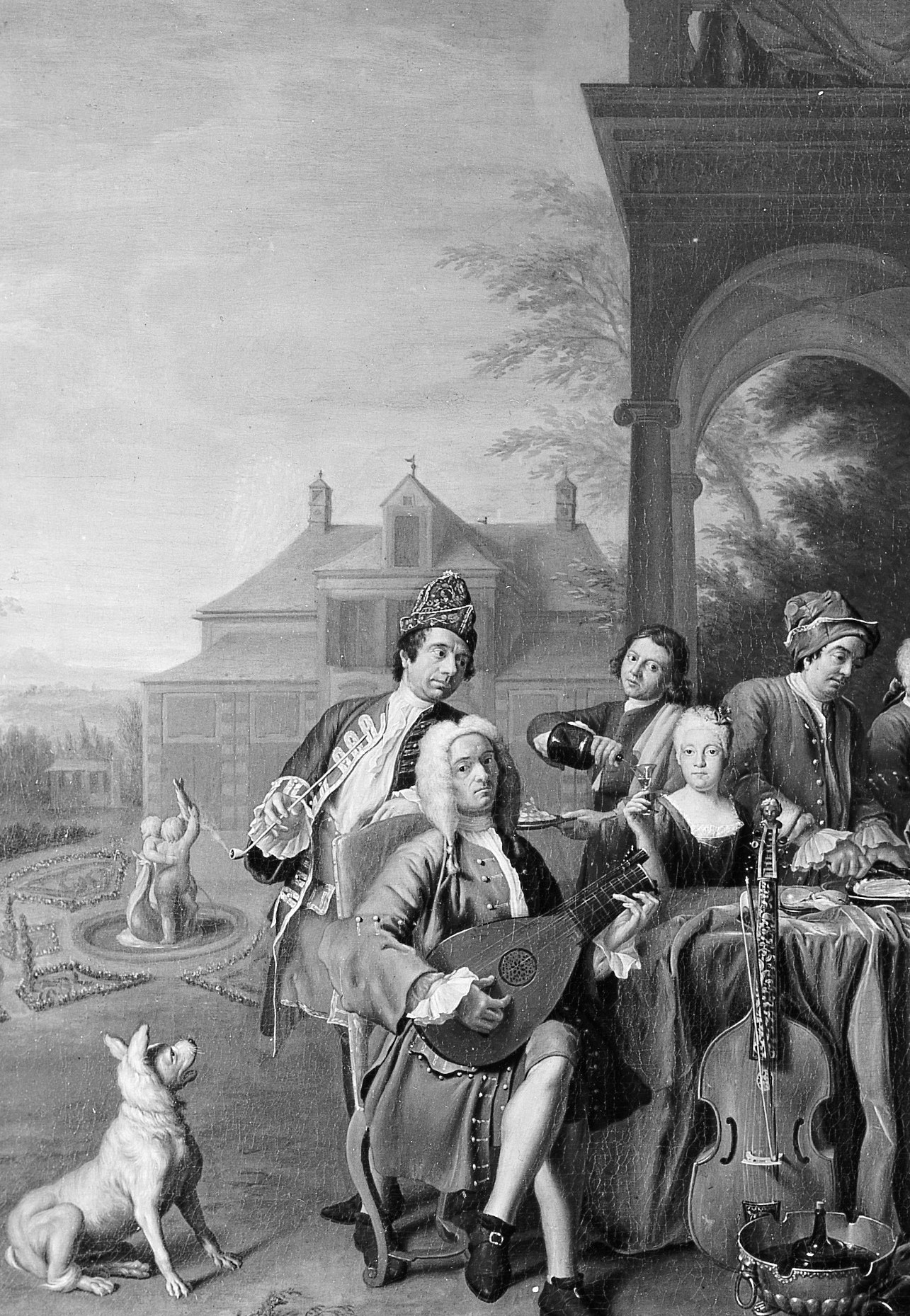
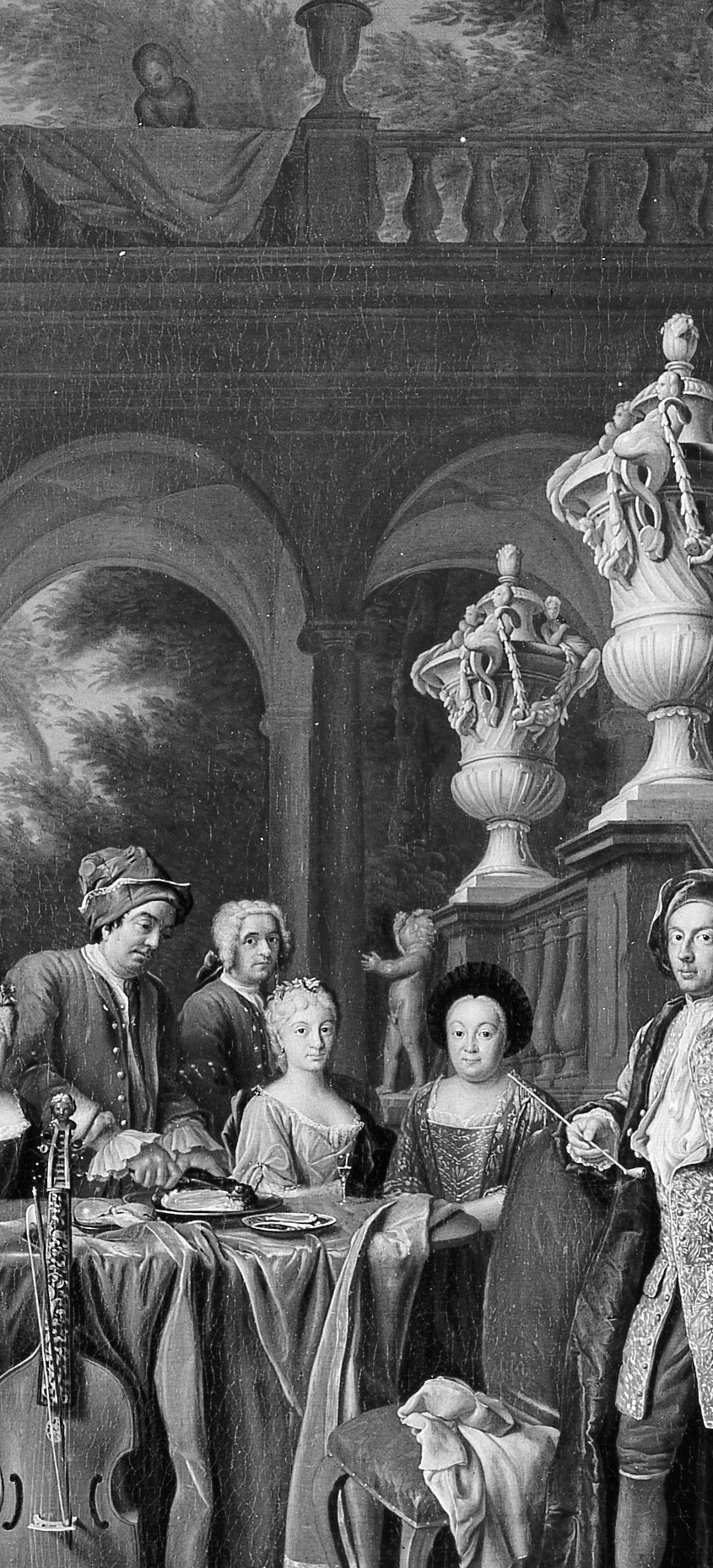
A Musical Gathering at the Court of the Elector Karl Albrecht of Bavaria, painted by Peter Jacob Horemans in 1730, lives at The Metropolitan Museum of Art as a small encyclopedia of Rococo social codes. Horemans was a Flemish painter trained in Antwerp who became court painter in Germany, and his job was to make aristocratic life look effortless and beautiful. The gathering is a conversation piece, a genre built for showing off who you were and who you kept close.
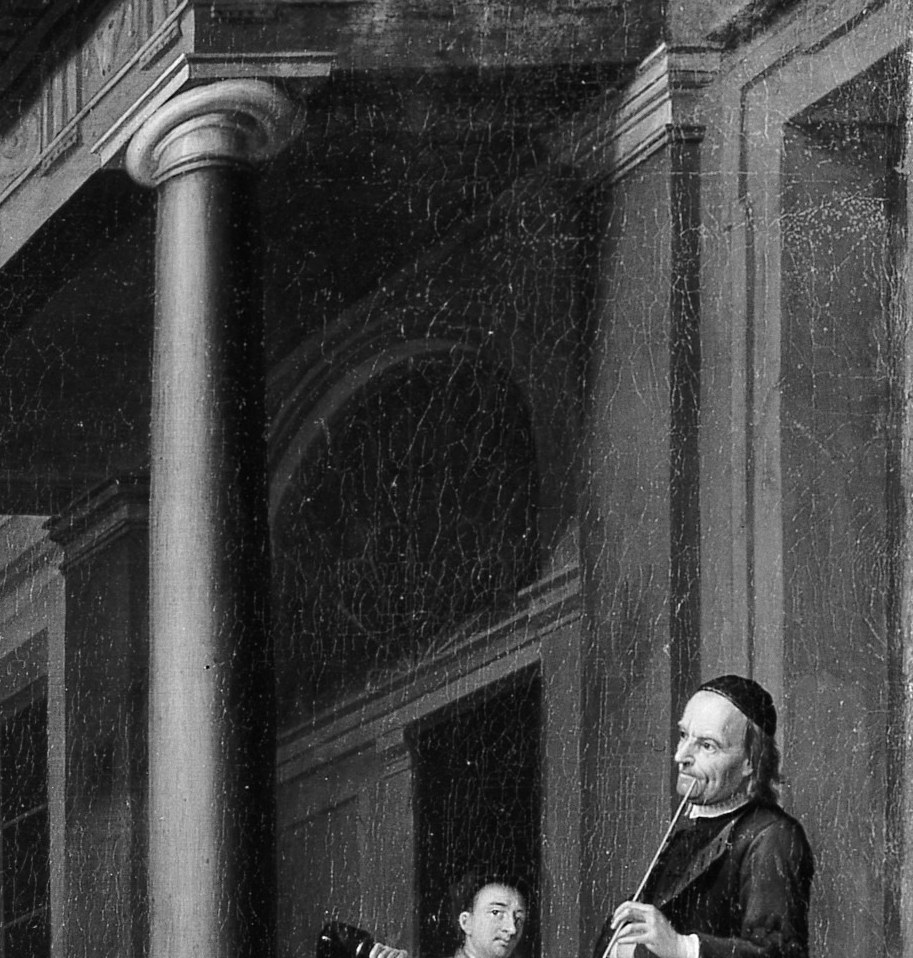
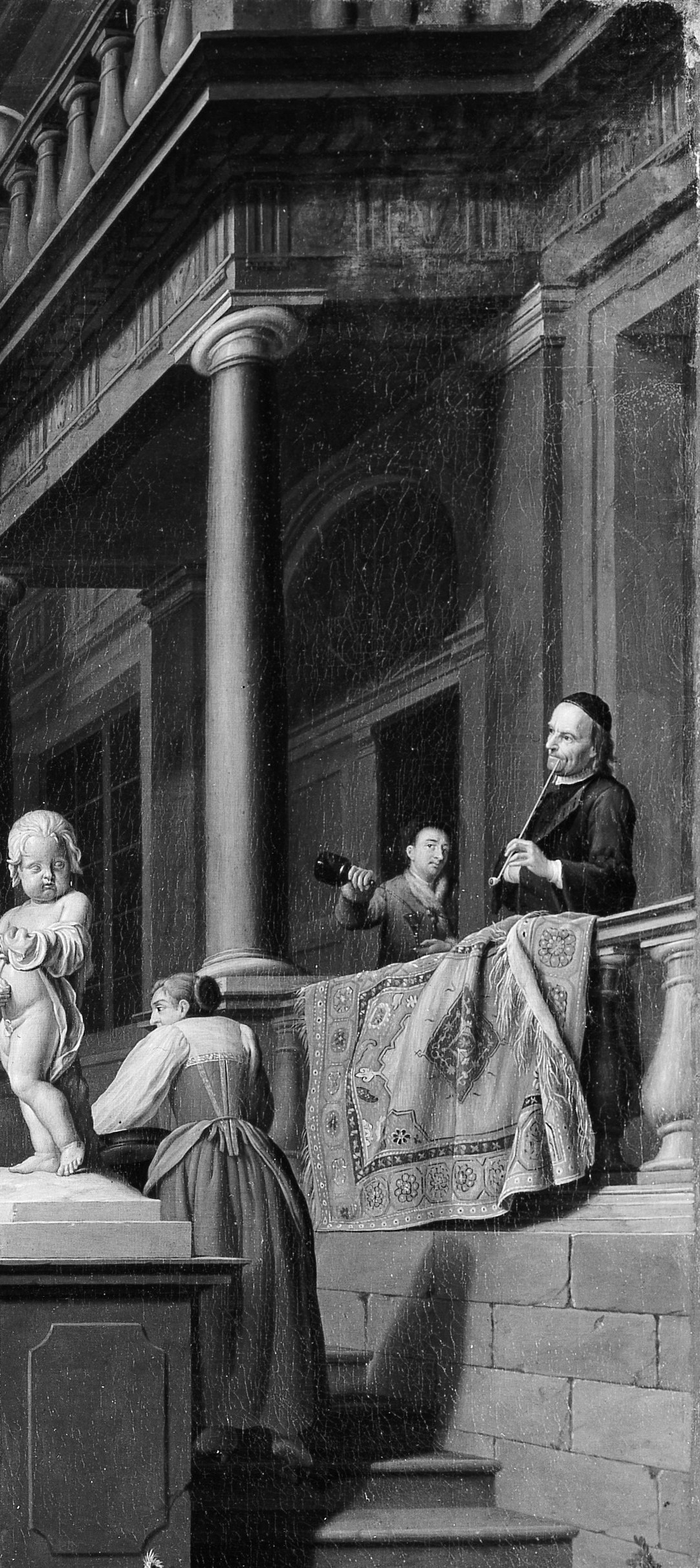
Look first at the faces in the left cluster: courtiers in elegant dress, their overlapping bodies mapping a pecking order by who stands nearest and who is partially obscured. Then glance up to the upper balcony, where a second set of observers watches the same performance from above. A tiered audience inside a single painting is a quiet flex: someone is always watching, and at court that someone matters.
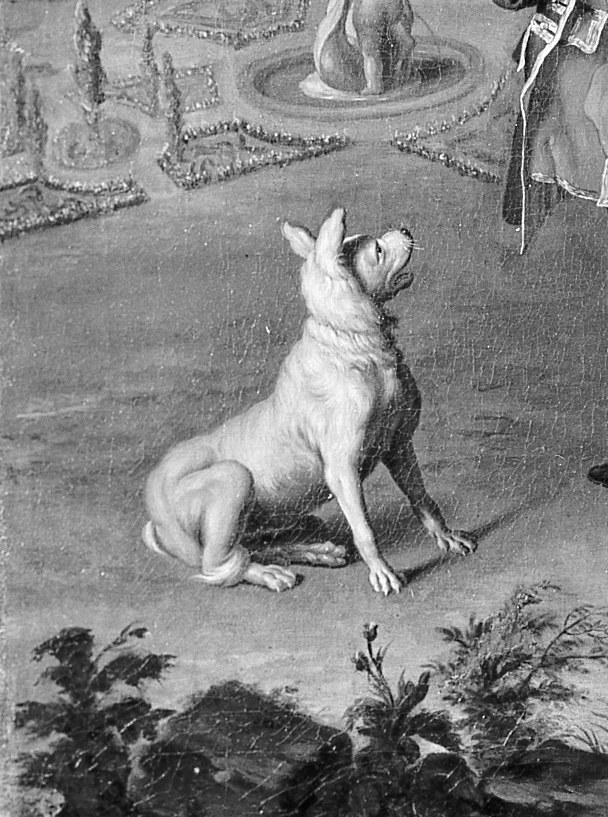
Now find the white greyhound at the lower left edge. Greyhounds were deliberate status symbols in Rococo portraiture; they signified noble leisure and the hunt, and owning a good one was a marker of rank. The dog does not look at the musicians. It does not acknowledge the balcony. It sits alone at the composition's boundary, a tiny anchor of domestic reality at the foot of a scene built entirely of performance.
Horemans painted this for a patron who wanted to be seen as a cultivated, musical prince. The greyhound, so easily scrolled past, quietly reminds us that some things in the picture are not performing at all.
Details
Transcript
A musical afternoon at a prince's palace. Courtiers cluster around the central performer. Above them, another audience watches from the balcony. The painter served a prince-elector who loved conversation pieces like this. Now look at the bottom edge of the frame. A white greyhound, alone, facing away from the music. At a Rococo court, the greyhound meant noble status and the hunt. The whole performance is framed by a single dog who pays it no attention.