The Supper at Emmaus by http://www.wikidata.org/.well-known/genid/5aaff6fa7b11ff333dc4db6f69f87f24
Caravaggio's "The Supper at Emmaus," painted in 1601 and housed in the National Gallery in London, captures the dramatic moment of Christ's revelation to two disciples.
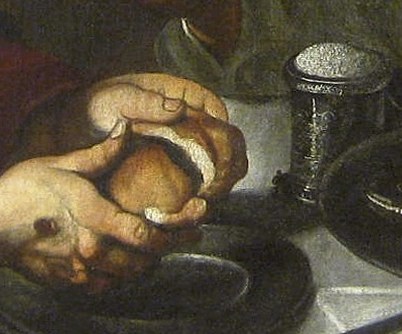
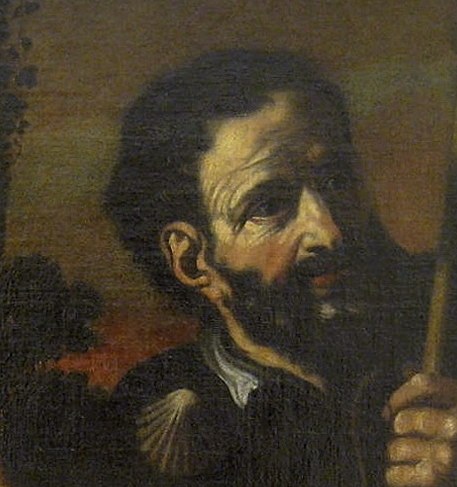
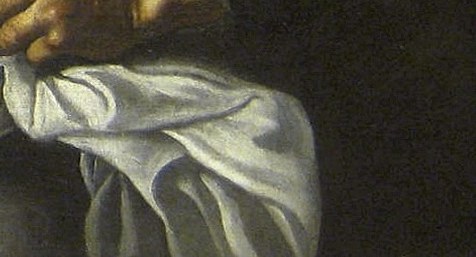
Notice the astonished face of one apostle as Christ breaks the bread. The dramatic use of chiaroscuro, a signature technique of Caravaggio, intensely highlights the figures and key elements like the bread and the white tablecloth, making the spiritual revelation almost palpable.
This painting illustrates the biblical account where, after the resurrection, two disciples journeying to Emmaus unknowingly share a meal with the resurrected Christ. It is only when he breaks the bread that they recognize him. Caravaggio brings an intensely human and immediate quality to this sacred event, making it feel startlingly present.
How does the use of light draw your eye through this powerful scene?
Details
Transcript
This painting tells a familiar story, but in an unusual way. Two disciples, walking to Emmaus, encounter a stranger. During supper, the stranger breaks bread, and they recognize Him. One apostle's face shows pure astonishment at the revelation. His pointing hand draws your eye to the miraculous bread. This painter often used dramatic light to heighten the moment. This exact painting was made in 1601.