Basket of Pears and Crabapples by Francis, John F.
John F. Francis's "Basket of Pears and Crabapples," painted in 1847, is a masterful example of American still-life, celebrating the beauty of everyday produce through the illusion of light.
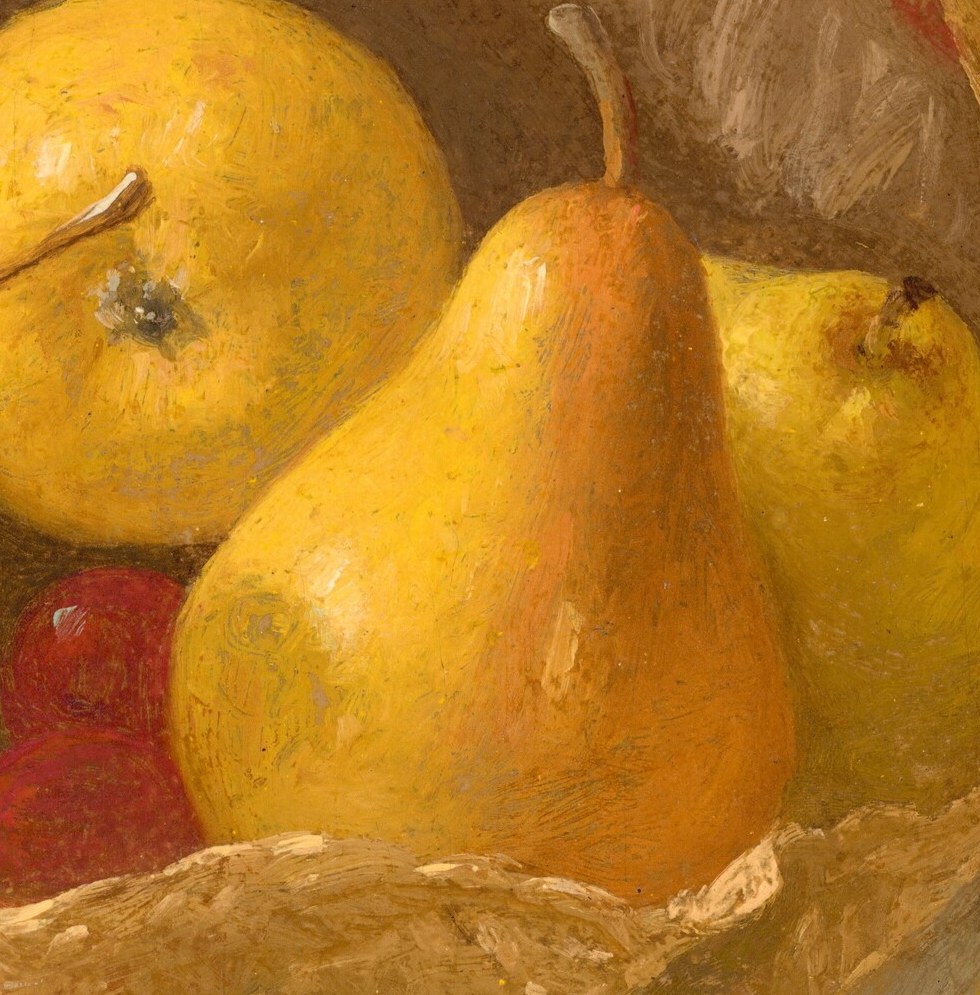
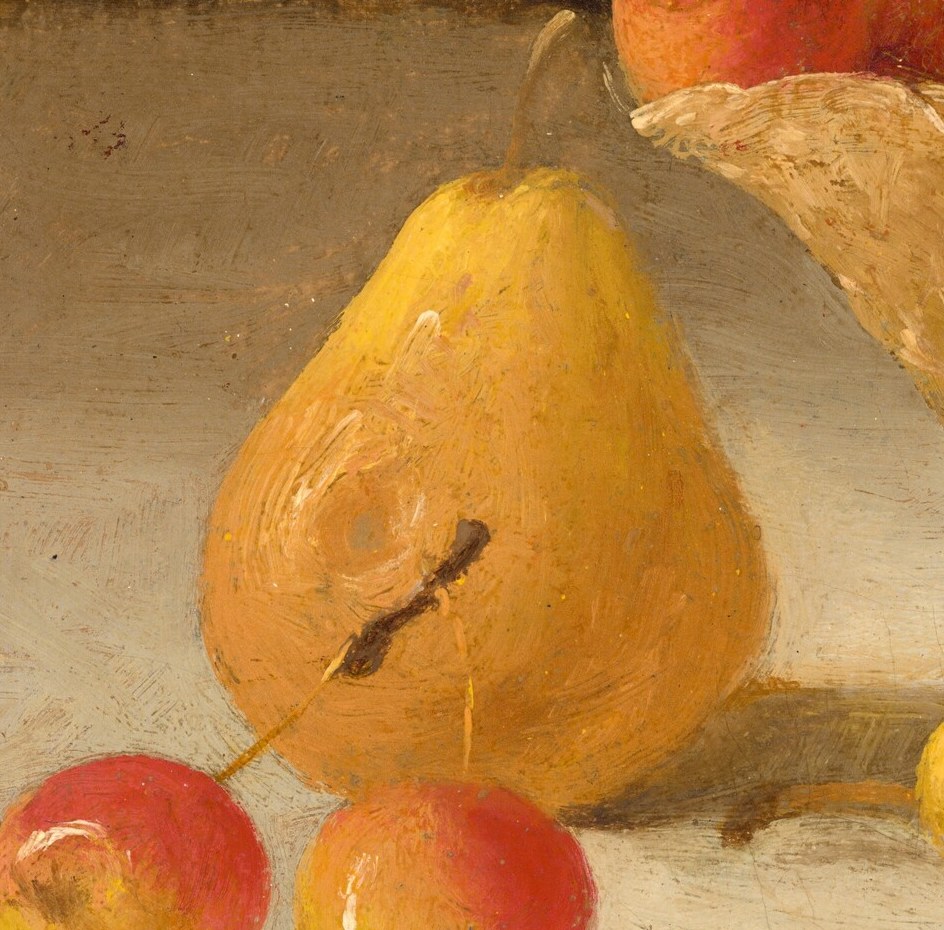
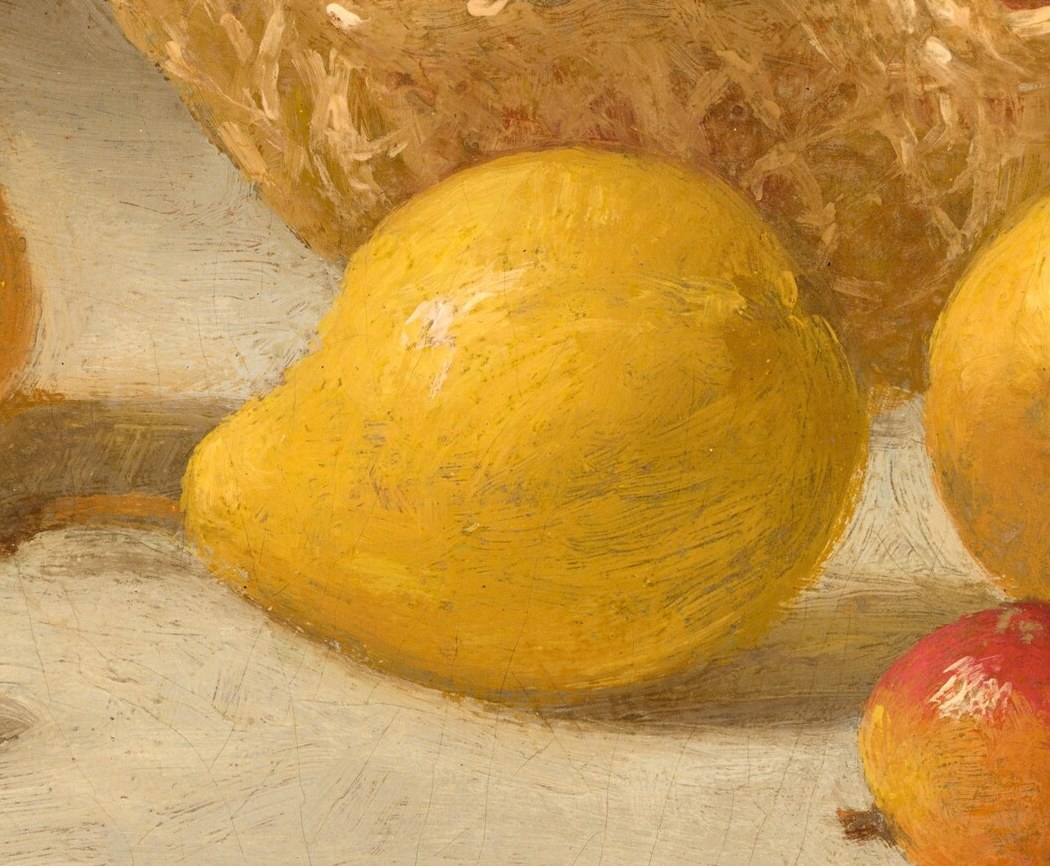
Look closely at how Francis renders the fruit's texture: from the smooth, almost luminous skin of the pears to the glossy, reflective surfaces of the crabapples. His use of impasto, or thick paint, creates a subtle relief that mimics the fruit's natural forms, making them appear wonderfully ripe and tangible.
Francis, active in the mid-19th century, specialized in these detailed fruit still lifes, aligning with a broader trend of American realism that valued precise observation. This painting, now part of the National Gallery of Art's collection, showcases his skill in capturing the ephemeral qualities of light and form.
It's incredible to see how a painter can make fruit glow with such lasting precision, isn't it?
Details
Transcript
This painter was famous for making fruit glow. See how light dances on the smooth skin of this pear. Thick paint, called impasto, makes it feel rounded. Even the tiniest stems cast a shadow. He captures the quiet dignity of everyday objects. The dark background makes the fruit stand out. Every brushstroke captures a precise, soft light.