The Towpath by Jongkind, Johan Barthold
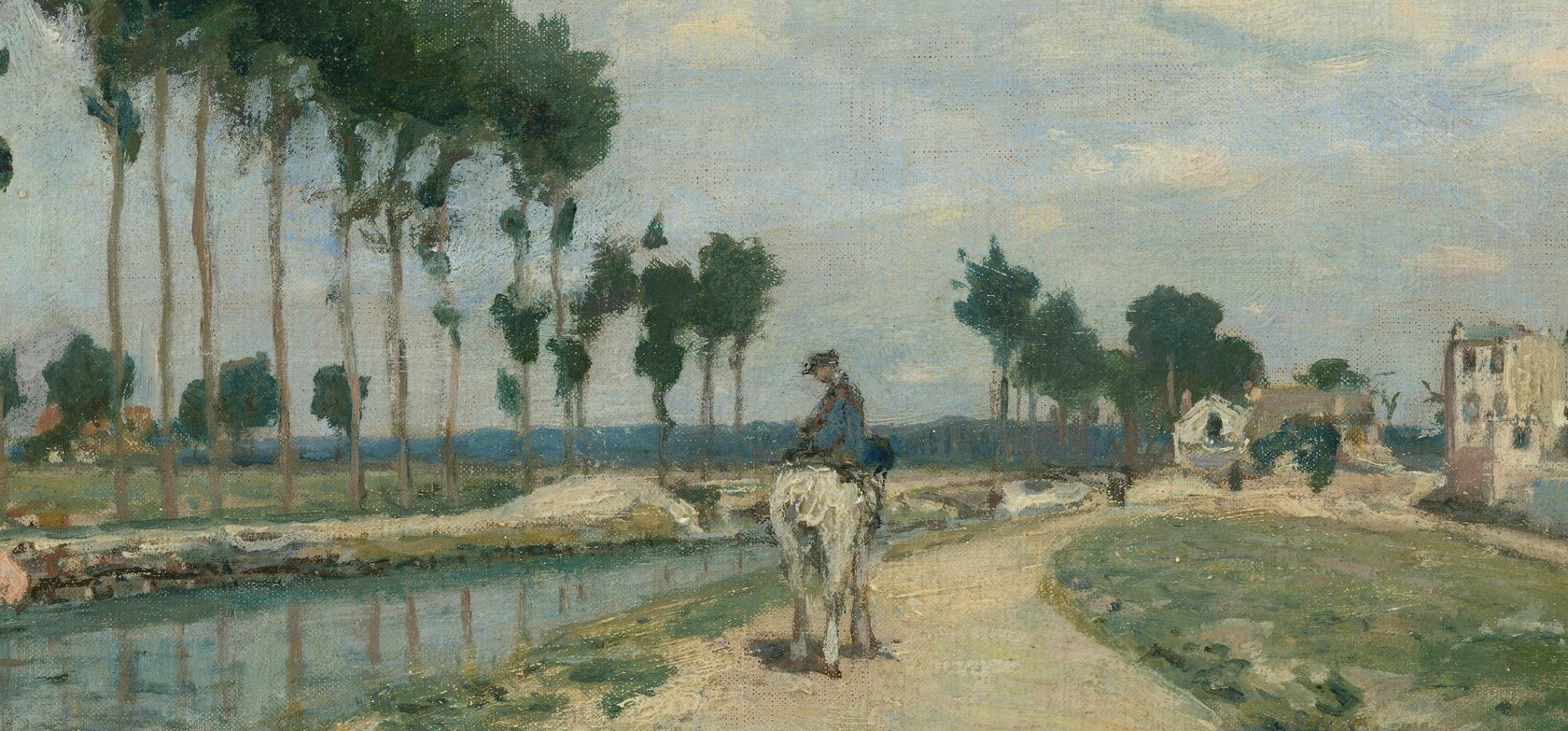
Johan Barthold Jongkind's 'The Towpath,' painted in 1864, is an oil on canvas that at first glance appears to be an empty, serene landscape. However, a closer look reveals the subtle human element that transforms the entire scene.
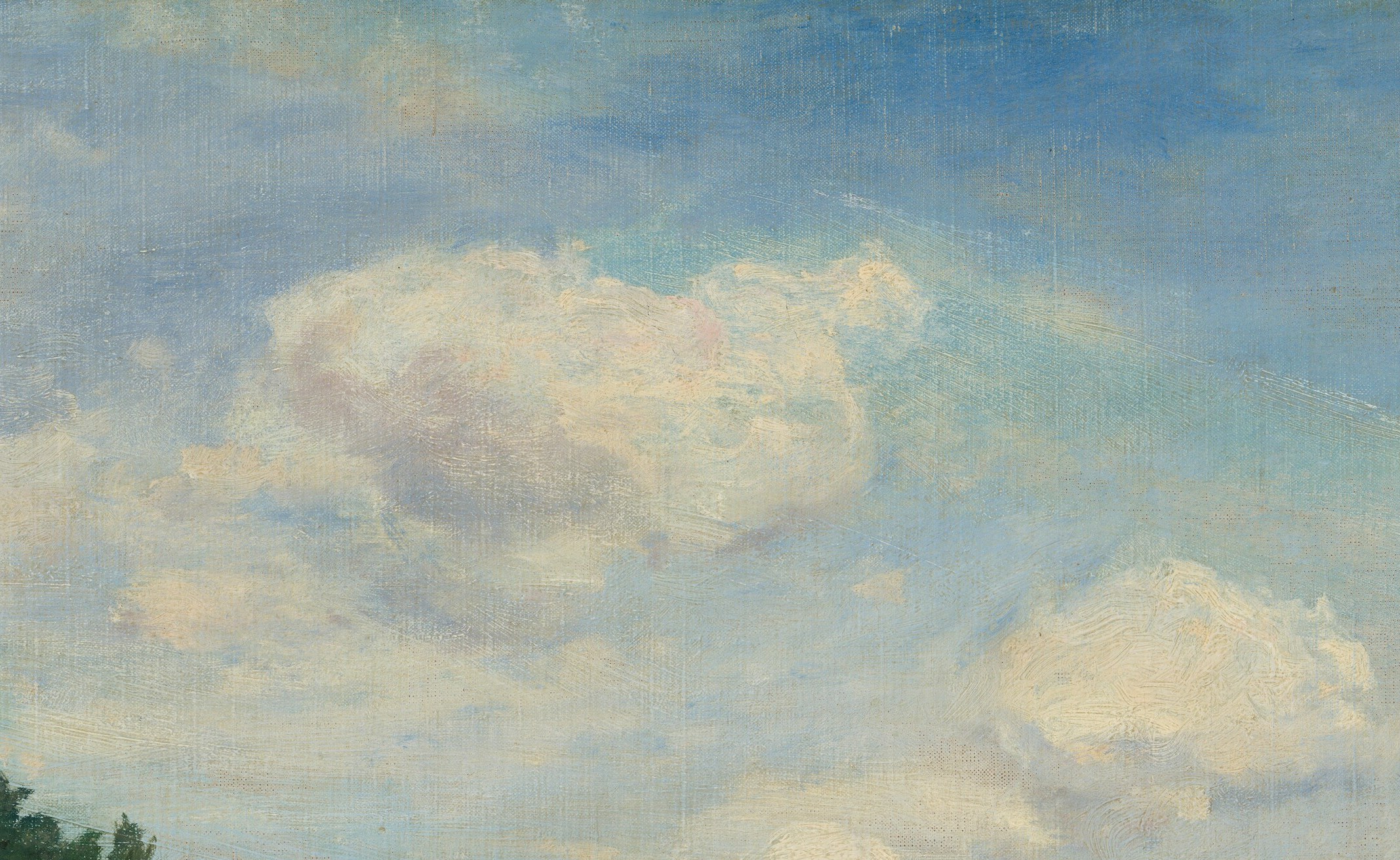
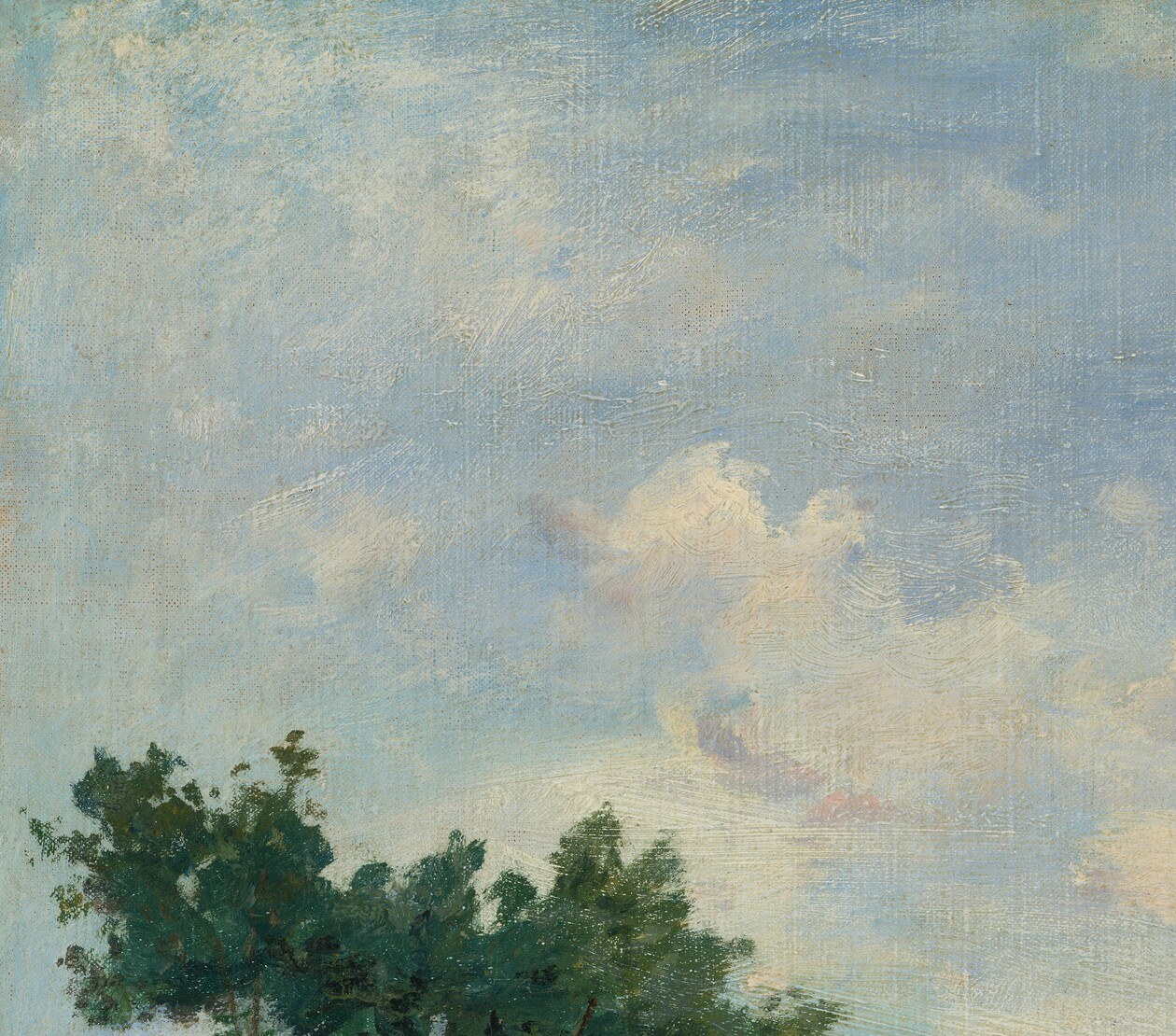
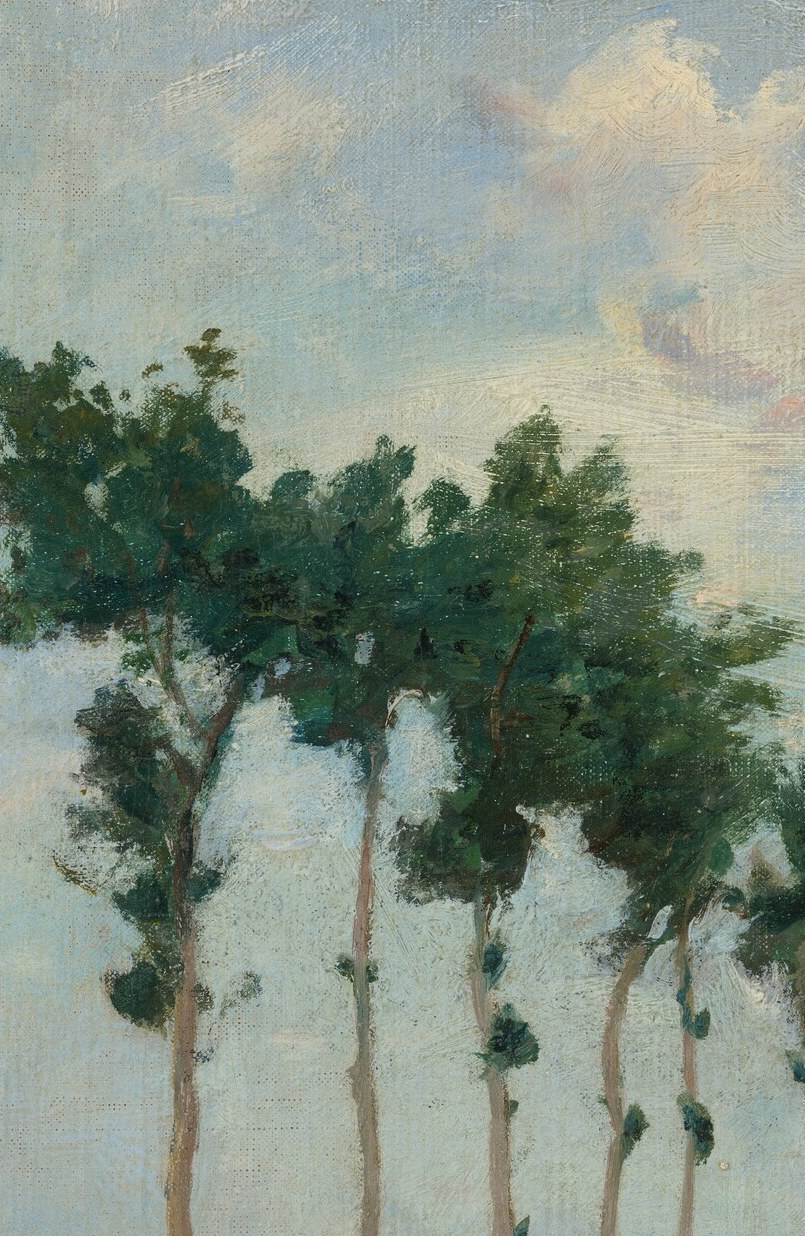
The painting is a masterclass in atmospheric effects, with towering cumulus clouds dominating the sky and luminous blue patches. Notice the distinctive loose brushwork of the foreground towpath, a signature of Jongkind's technique that greatly influenced the Impressionists.
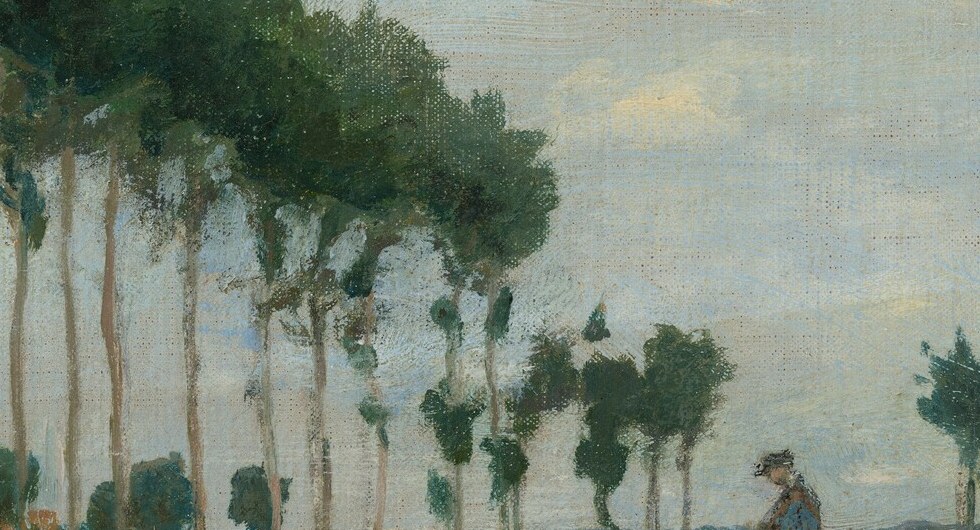
While the path itself is the painting's subject, it's the tiny, almost hidden figures along it that truly bring the scene to life. They provide scale and imbue the tranquil natural setting with a sense of human presence and daily activity, changing the mood from solitary nature to an inhabited world.
Jongkind, though less famous than his Impressionist followers, was crucial in bridging the gap between traditional landscape painting and the revolutionary style to come. What do these small details reveal to you?
Details
Transcript
This painting feels like an empty landscape. Yet it captures a real towpath, common in Northern France. These towering clouds fill nearly half the canvas. The artist was famous for his atmospheric skies. Now look closely, along the path. Tiny figures walk and work, almost hidden in the light. They transform an empty scene into a lived-in place.