The Assumption of the Virgin by Bernardo Daddi
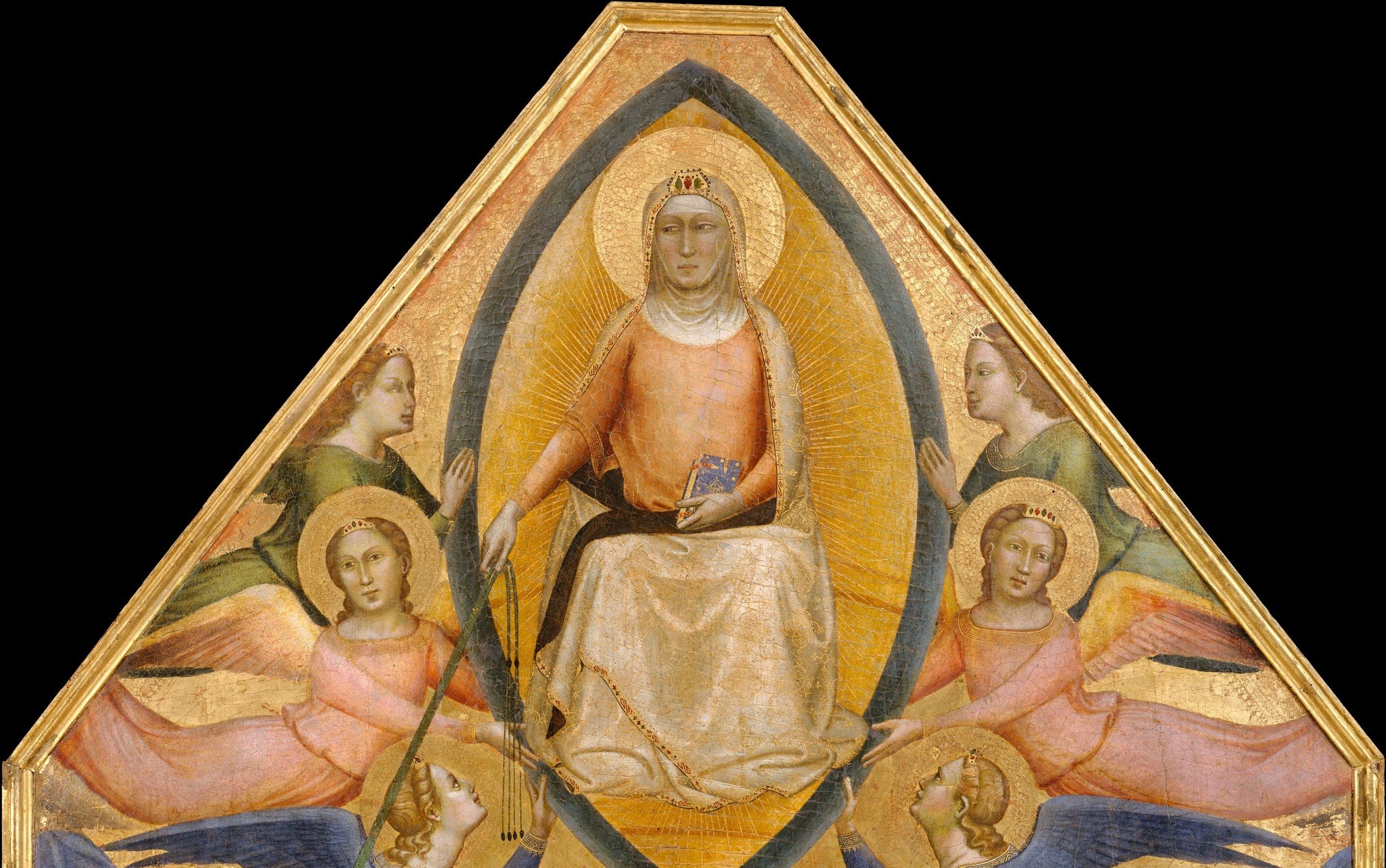
Bernardo Daddi's *The Assumption of the Virgin*, painted in 1338, is a stunning example of early Italian Renaissance art from The Metropolitan Museum of Art. This tempera painting, almost 700 years old, showcases the artist's skill in creating a luminous, spiritual scene.
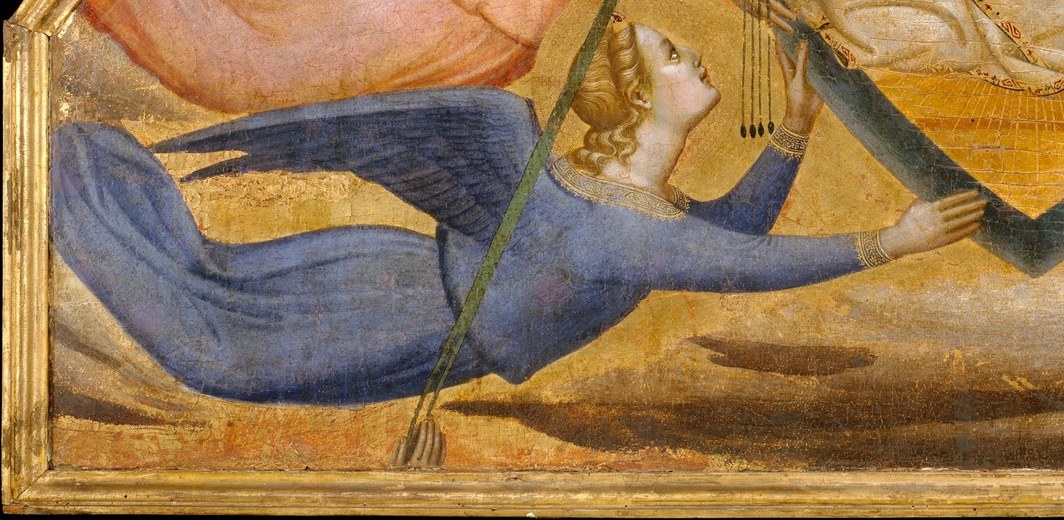
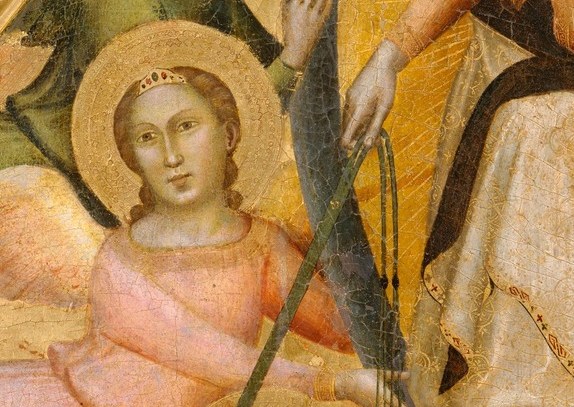
Look closely at the radiant gold background; this isn't just paint, but meticulously applied gold leaf, a technique used to evoke divine light and an ethereal setting. The subtle transitions of color and light in the drapery of the figures, especially the Virgin's robe, demonstrate the detailed work possible with tempera, an egg-yolk based paint known for its durability and vibrant pigments.
Daddi, a leading Florentine painter of his time, was instrumental in moving art towards more realistic compositions while retaining the spiritual depth characteristic of devotional works. His innovations helped shape the nascent Renaissance, paving the way for future artistic developments.
This painting invites us to appreciate the enduring power of ancient techniques. What detail catches your eye first?
Details
Transcript
This painting is almost 700 years old. It was painted with tempera, an egg-based paint. See how the gold background seems to glow? That's gold leaf, meticulously applied. The artist used it to create heavenly light. Notice the subtle shadows and folds in her robe. Tempera allowed for incredible detail and vibrant colors.