Battersea Reach by Whistler, James McNeill
James McNeill Whistler's 'Battersea Reach,' painted around 1863, is a stunning example of his dedication to aesthetic harmony over narrative. This oil on canvas, housed at the National Gallery of Art, Washington, D.C., exemplifies American Impressionism and Whistler's unique approach to capturing atmosphere.
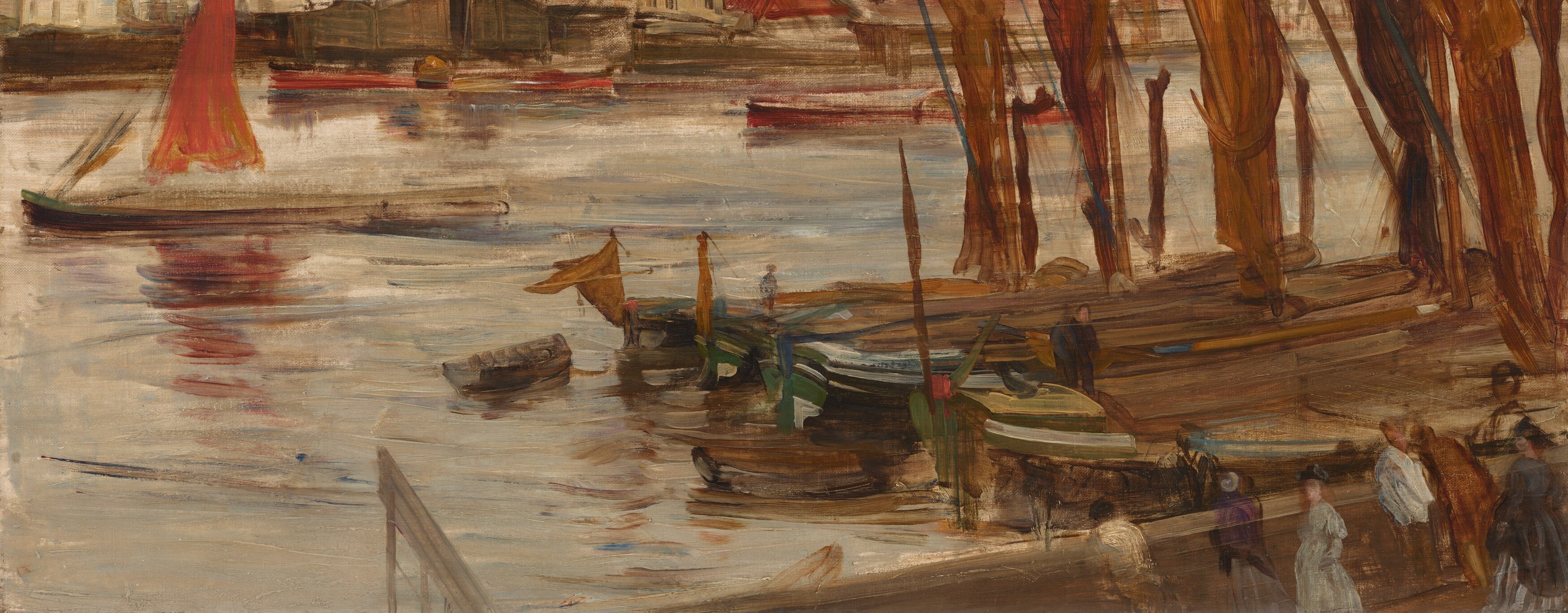
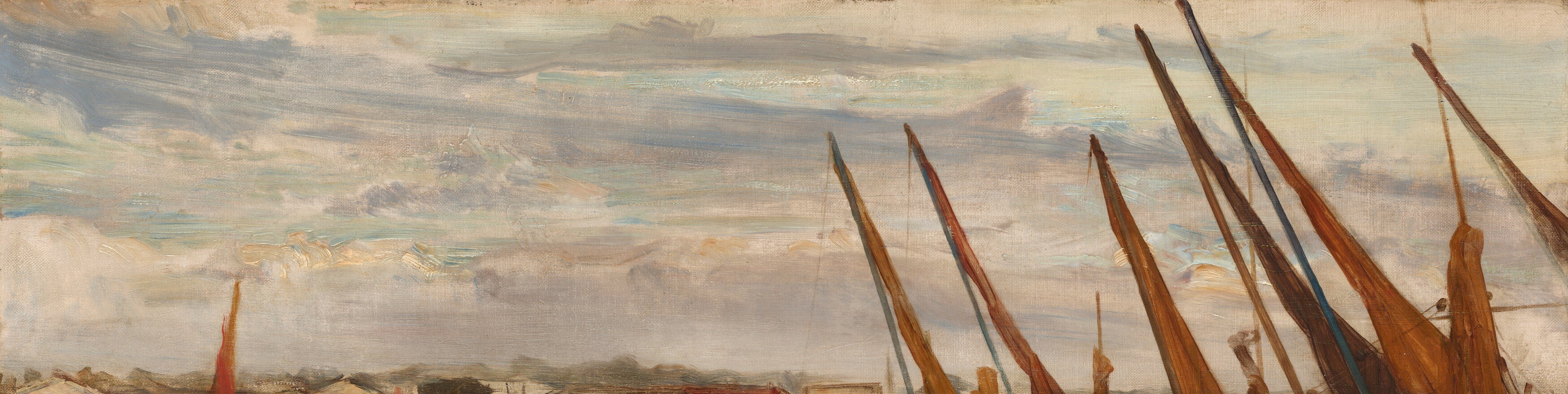
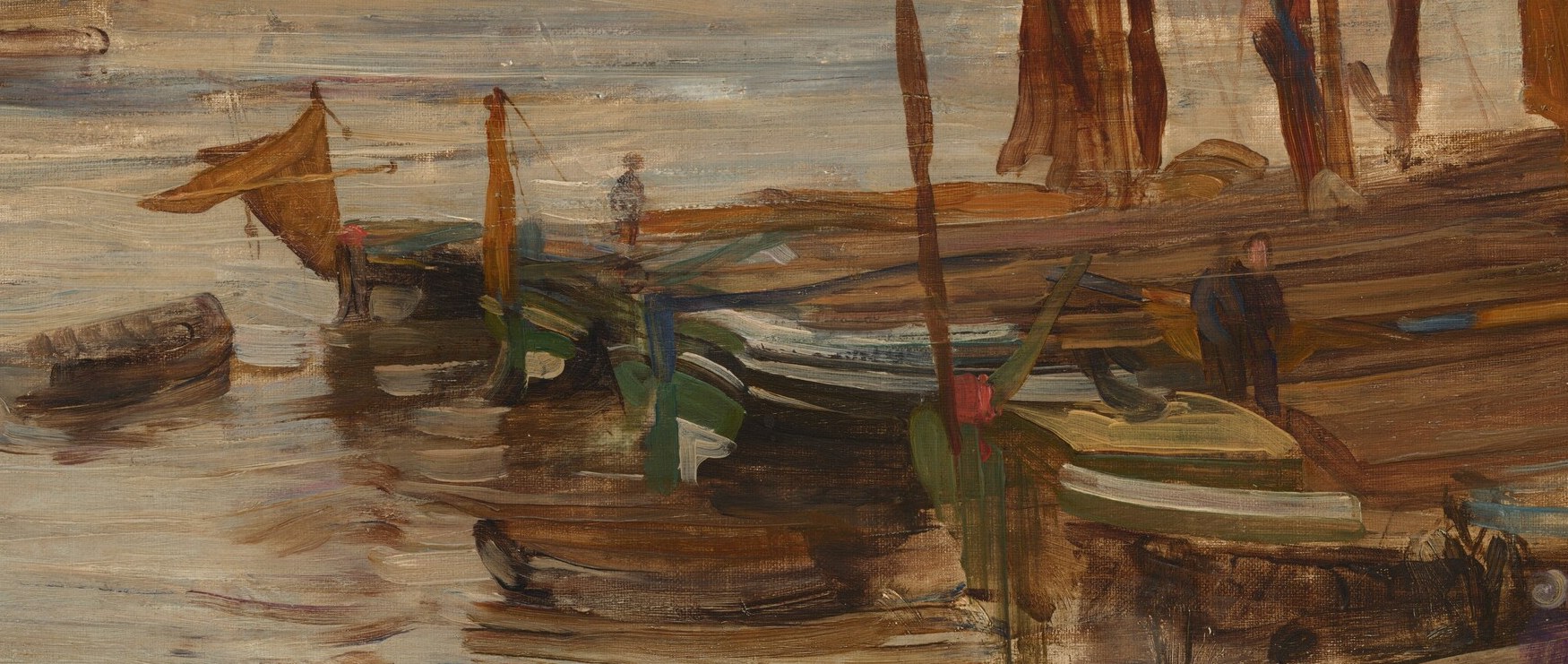
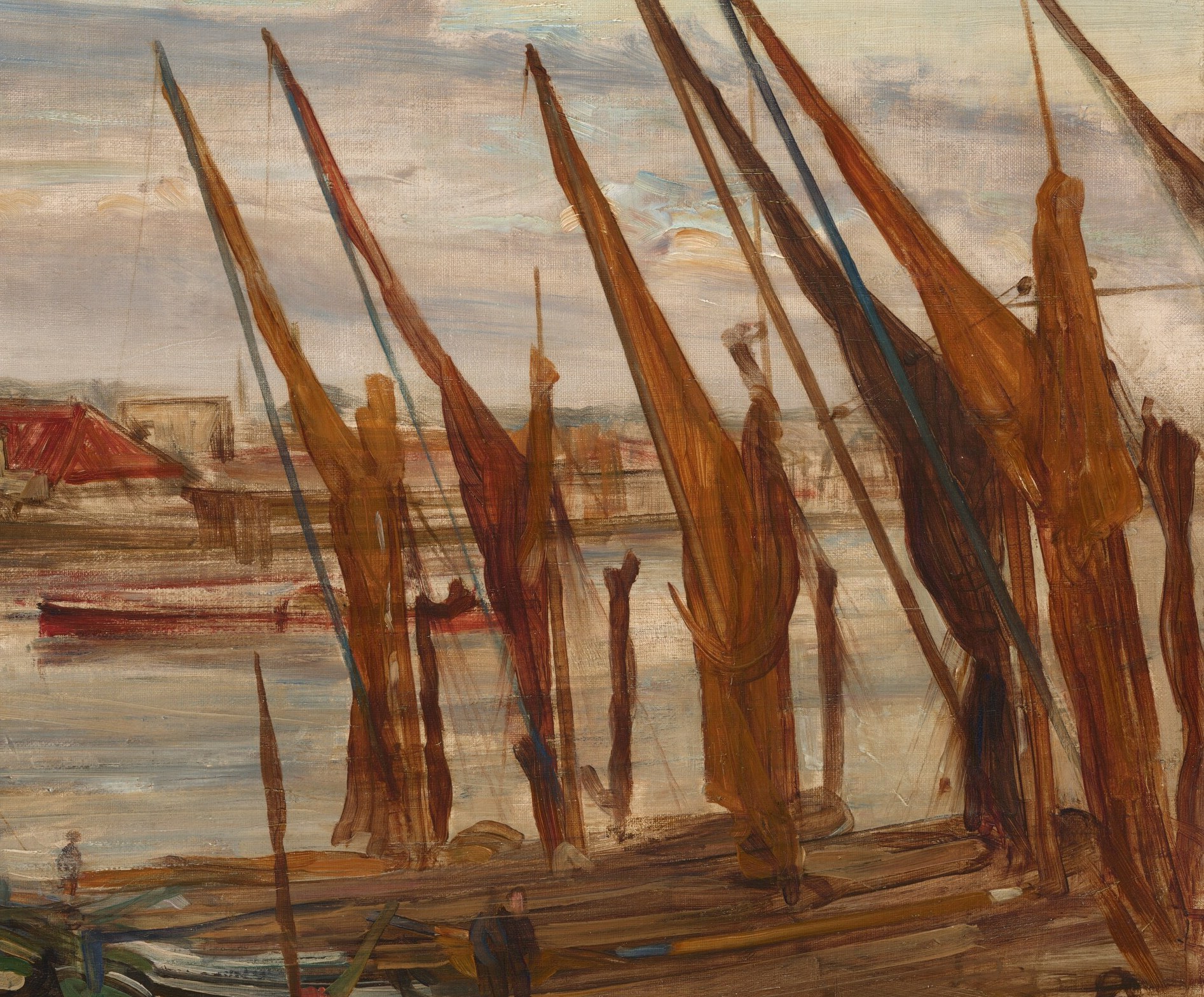
Look closely at how Whistler used thin layers of paint, almost like washes, to create a soft, ethereal quality. The deliberate merging of tones between the water and sky, with elements softly blurred, creates a dreamlike, almost indistinct atmosphere.
Whistler was an American expatriate in the UK who famously advocated for "art for art's sake," shunning sentimentality. He often titled his paintings "arrangements," "harmonies," or "nocturnes" to emphasize their musical, tonal qualities. His distinctive butterfly signature, subtle yet striking, also speaks to this delicate aesthetic.
This painting invites you to appreciate a scene not for a story, but for its pure visual balance and atmospheric mood. What emotions does this 'harmony' evoke in you?
Details
Transcript
This painter was obsessed with atmosphere and mood. He layered thin washes of paint, almost like watercolor. Notice how the water and sky nearly merge in tone. This blurring softens the scene, making it feel dreamlike. He called his works "harmonies" or "nocturnes" to reflect this. Even his signature, a butterfly, hints at this lightness.