Vence by Jean Marchand
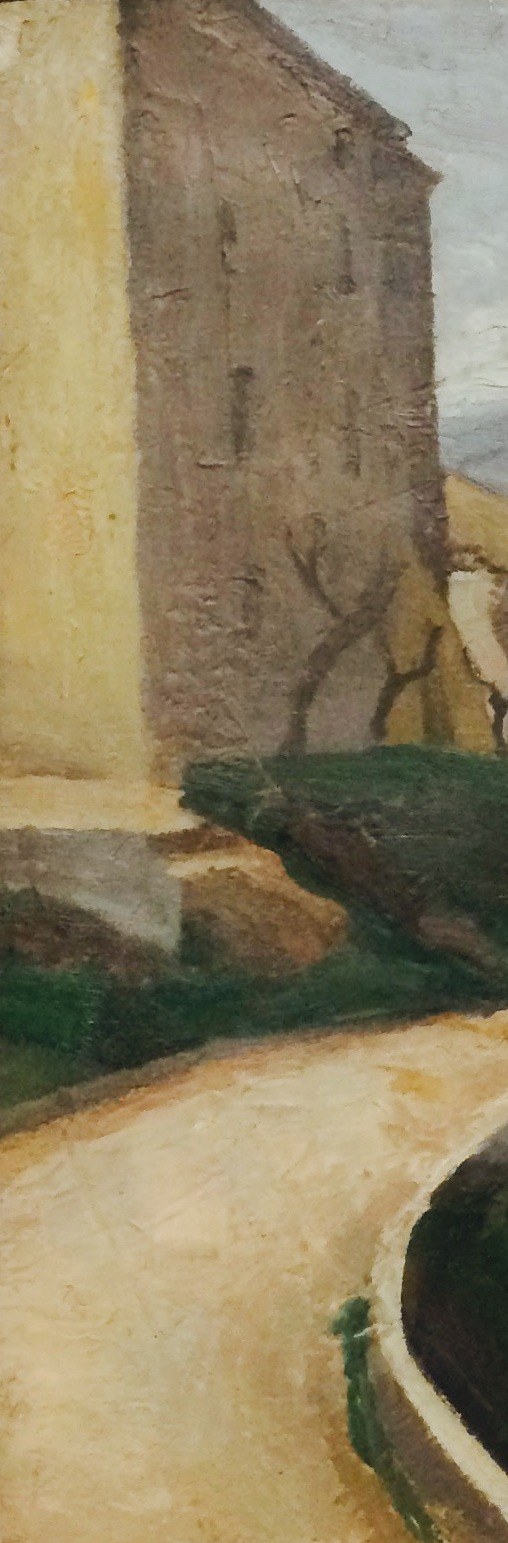
Jean Marchand's "Vence" (1920) sits in The Metropolitan Museum of Art, a quiet post-impressionist landscape ranked around the 4,000th most famous work in their collection of nearly a quarter of a million objects. Not every painting has to be a blockbuster; this one is a record of a specific, ancient place, made by an artist who had once helped shake up European painting.
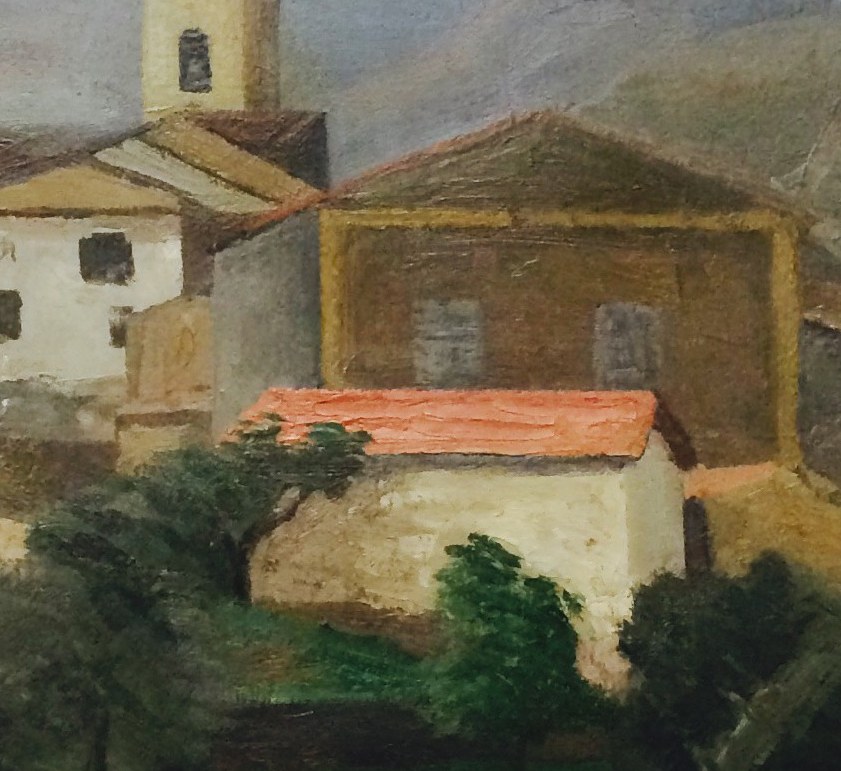
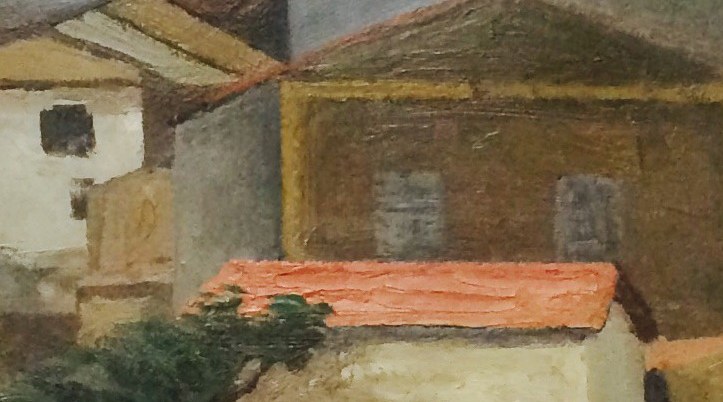
Look first at the central cluster of buildings. The chalky white rendered walls and the warm terracotta roof are the painting's luminous heart. Marchand uses thick, noticeable brushstrokes that give the stone and plaster a palpable weight. Then find the dark, narrow gap between the massive stone wall on the left and the village centre. It is the deepest shadow in the composition, a slot of mystery that suggests an alley continuing beyond the frame.
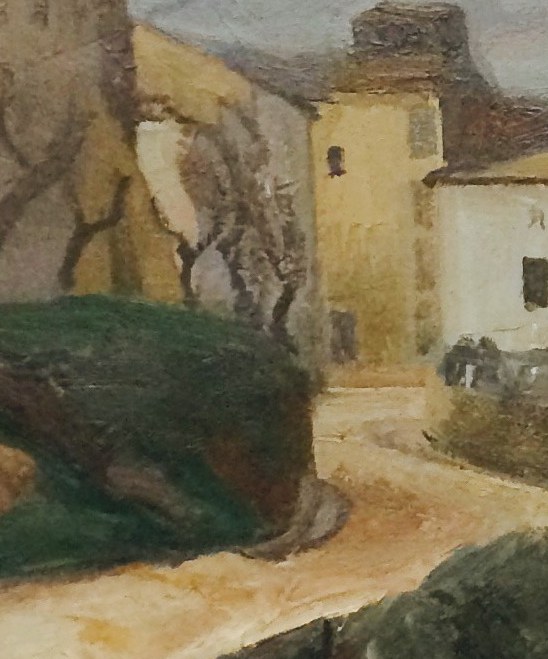
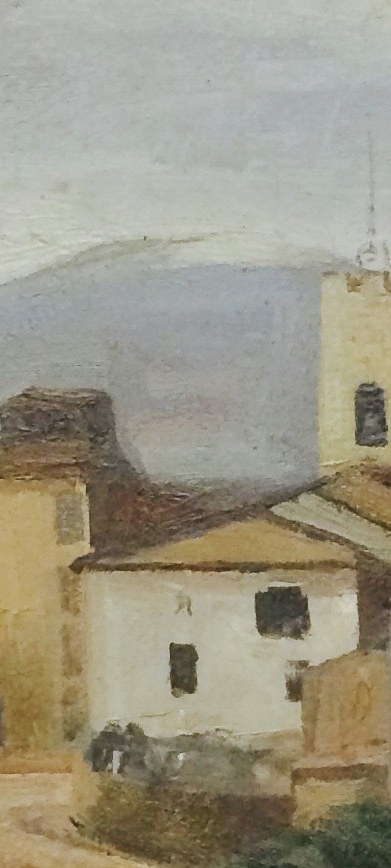
Jean Hippolyte Marchand was a French Cubist painter and printmaker with real connections; he moved in the orbit of the Bloomsbury Group in England and exhibited with the Paris avant-garde early in his career. By 1920, when he painted this, his style had settled into a more descriptive, Cézannesque post-impressionism. The winding road, the bare tree, and the soft blue-grey hills behind the village all show an artist carefully structuring a timeless rural scene rather than dismantling it.
This painting will never command an auction headline, and that is part of its story. It is a solid, beautifully constructed work by a serious artist, now in a great public collection. What does a painting owe us beyond that?
Details
Transcript
Jean Marchand ran with the Bloomsbury Group and the Paris cubists. By 1920, he was painting quiet Provençal villages like this one. The terracotta roof and white rendered walls glow against the grey hills. That shadowed alley between the great wall and the village centre hides nothing dramatic. This is not the radical Cubism of his youth. It is post-impressionist calm. The Met owns it. Its fame rank is 3,893 out of 241,000 works in the museum.