Lucia by Frederic Leighton
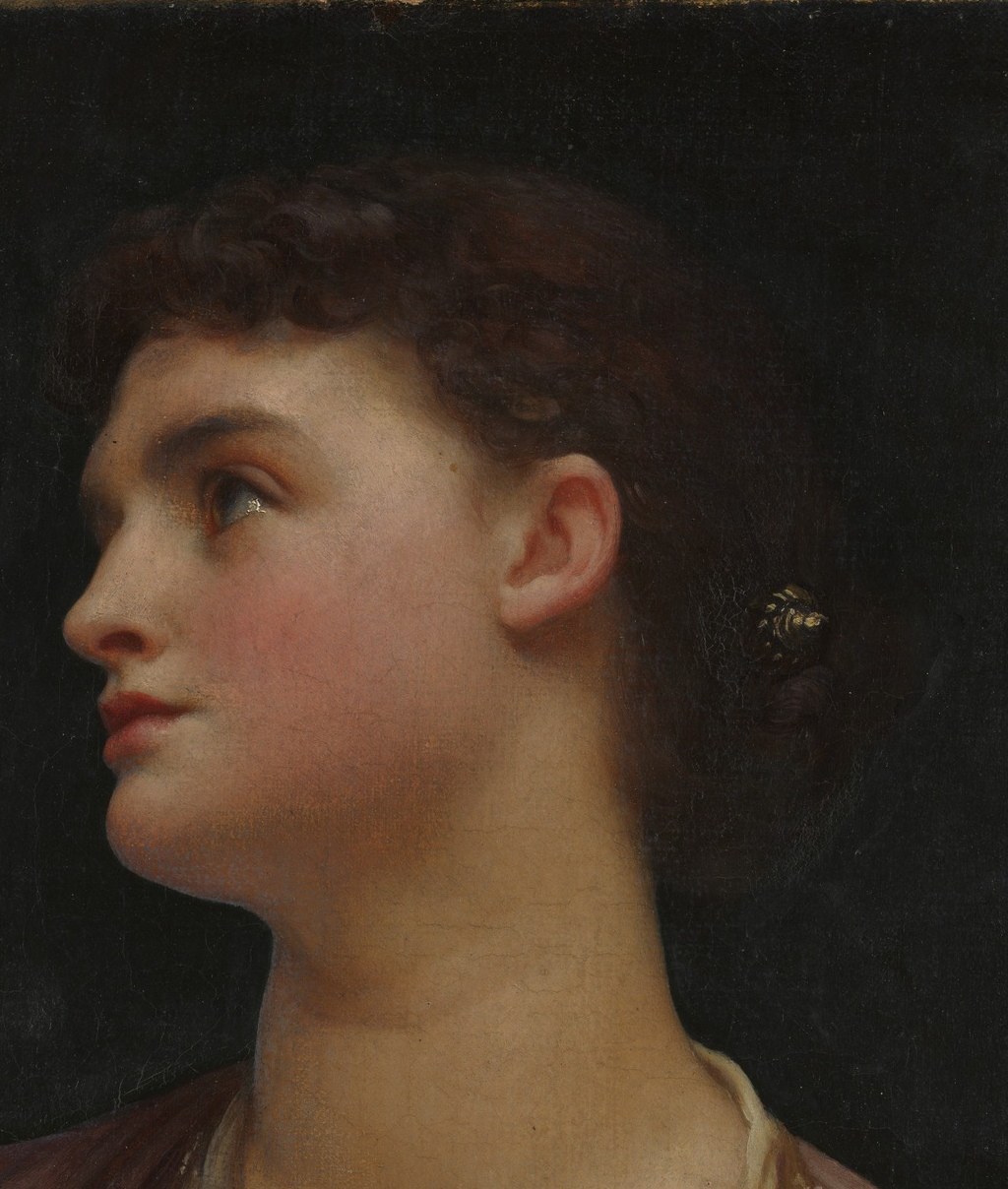
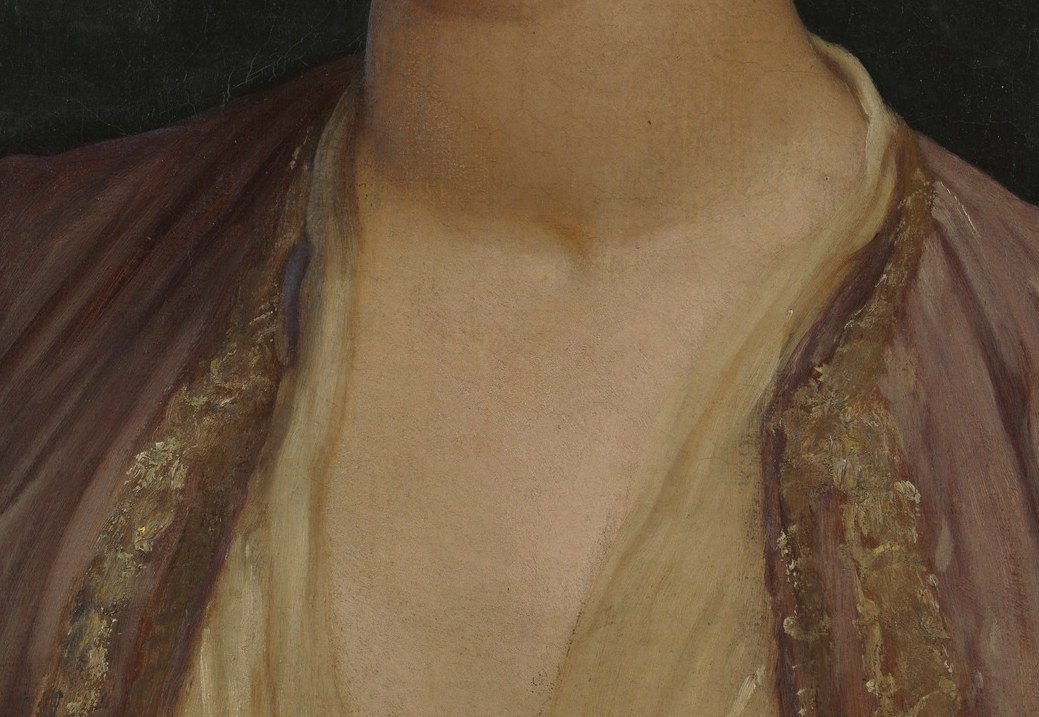
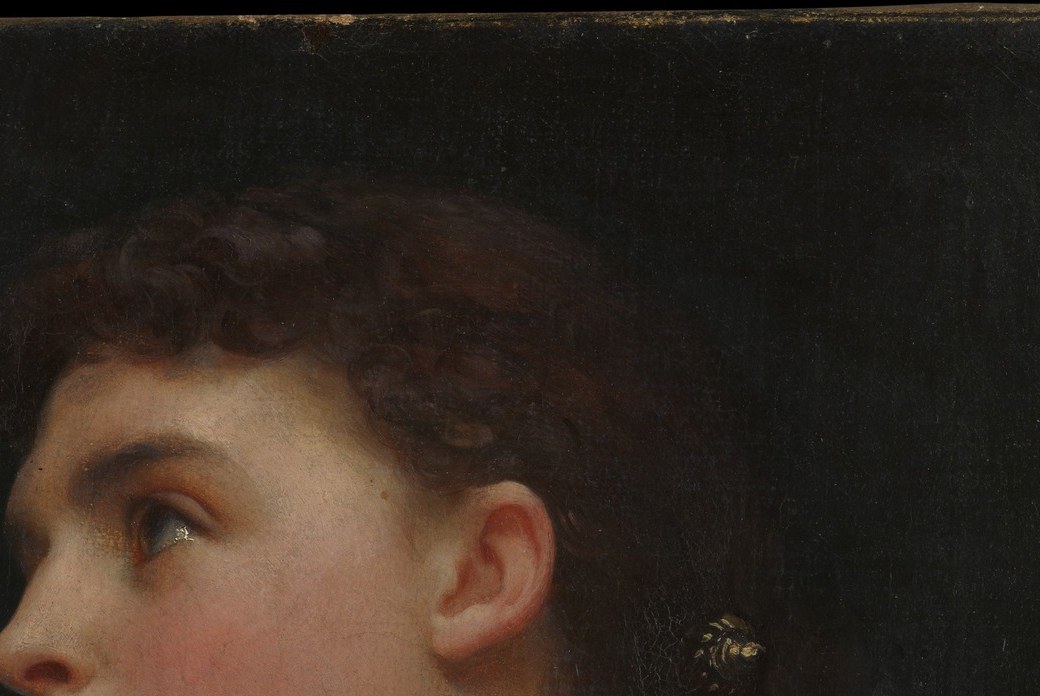
This is “Lucia,” painted in 1889 by Frederic Leighton, the most celebrated British artist of the Victorian era. It hangs at The Metropolitan Museum of Art. Leighton was a perfectionist who studied Greek sculpture and the Italian Renaissance, and every decision in this portrait was deliberate. The single gold-trimmed collar, the hair pinned back without adornment, the near-profile so exact you could trace it: nothing is accidental, nothing is casual.
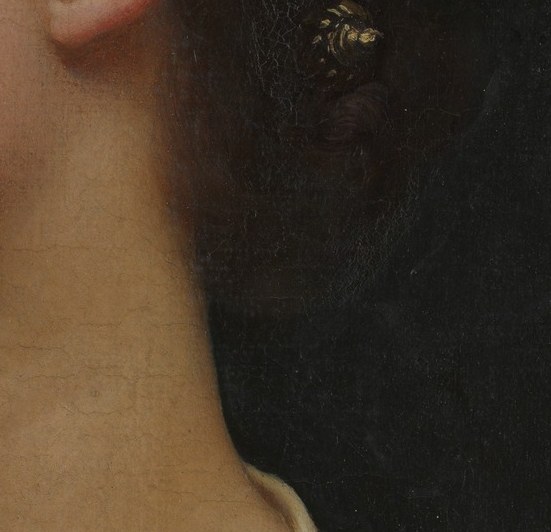
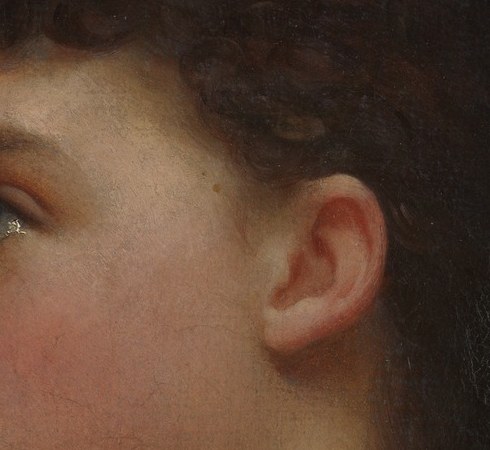
The face is the argument. One visible eye, looking down and away. Leighton lights the cheekbone and the curve of the neck so the skin reads as warm and luminous against the dark robe. The other half of the face falls into shadow. The hairline curves cleanly around the ear, and near the temple there is a small dark brooch or pin, barely noticeable unless you linger on the hair.
Leighton never disclosed the sitter’s identity. She was simply “Lucia”, Latin for light. By 1889 he was nearing the end of his life, a bachelor whose closest relationships were with his models and his art. His paintings commanded enormous prices while he lived, then fell out of fashion for decades after his death. The model herself has no documented story beyond this canvas.
An anonymous face, preserved with extraordinary care. What happens when the painter is remembered and the woman is not?
Details
Transcript
In 1889, England’s most famous painter finished this. He called her Lucia. Light. The profile is classical, almost a Roman coin. Now look at what is not here: jewelry, lace, a name. Just a gold-thread collar and a quiet face. Leighton never told anyone who she really was. She looks down, out of the frame, as if someone is leaving.