Overturned Jug and Other Items on the Tablecloth by Roelof Koets
This still life, "Overturned Jug and Other Items on the Tablecloth" by Roelof Koets (c. 1633), holds a dramatic secret. It was famously stolen in 1926 and later recovered by Soviet counter-intelligence agents, adding a layer of intrigue to its artistic merit. The painting itself, housed at the State Hermitage Museum, is a masterful depiction of everyday objects.
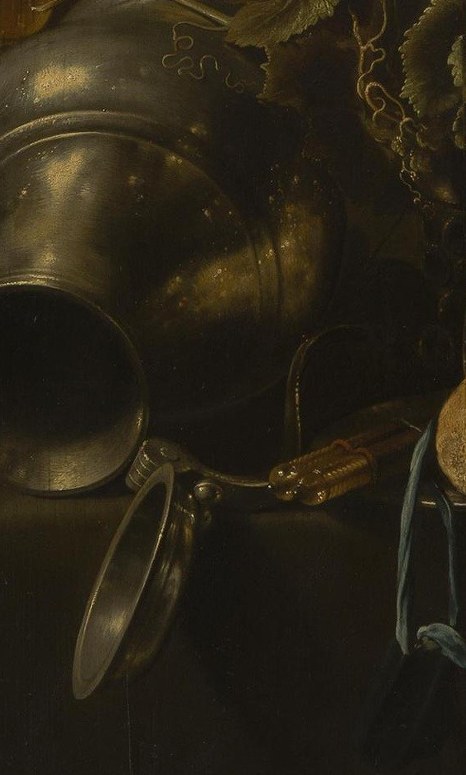
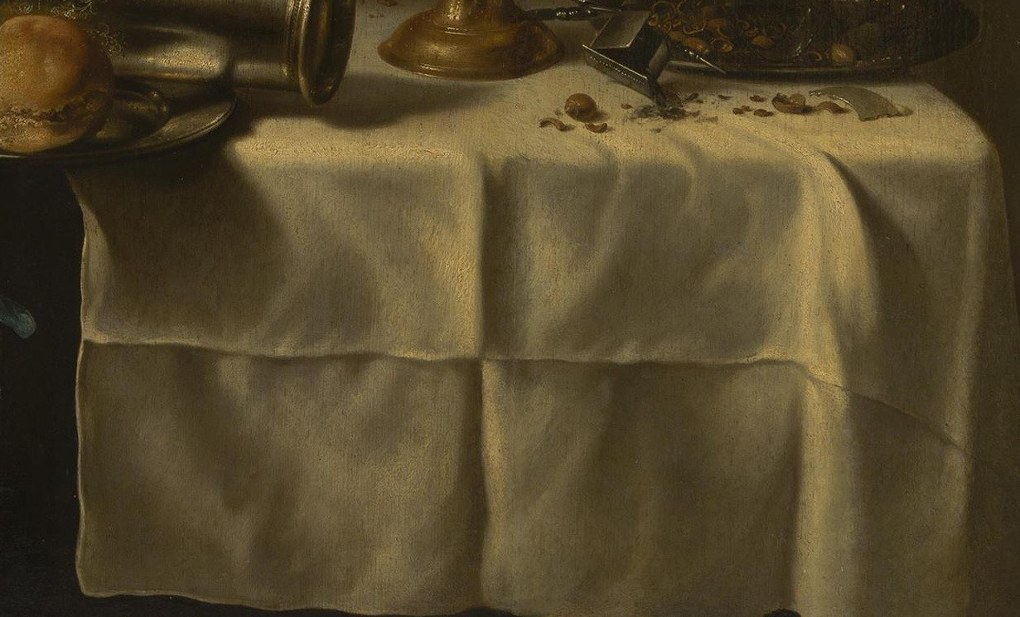
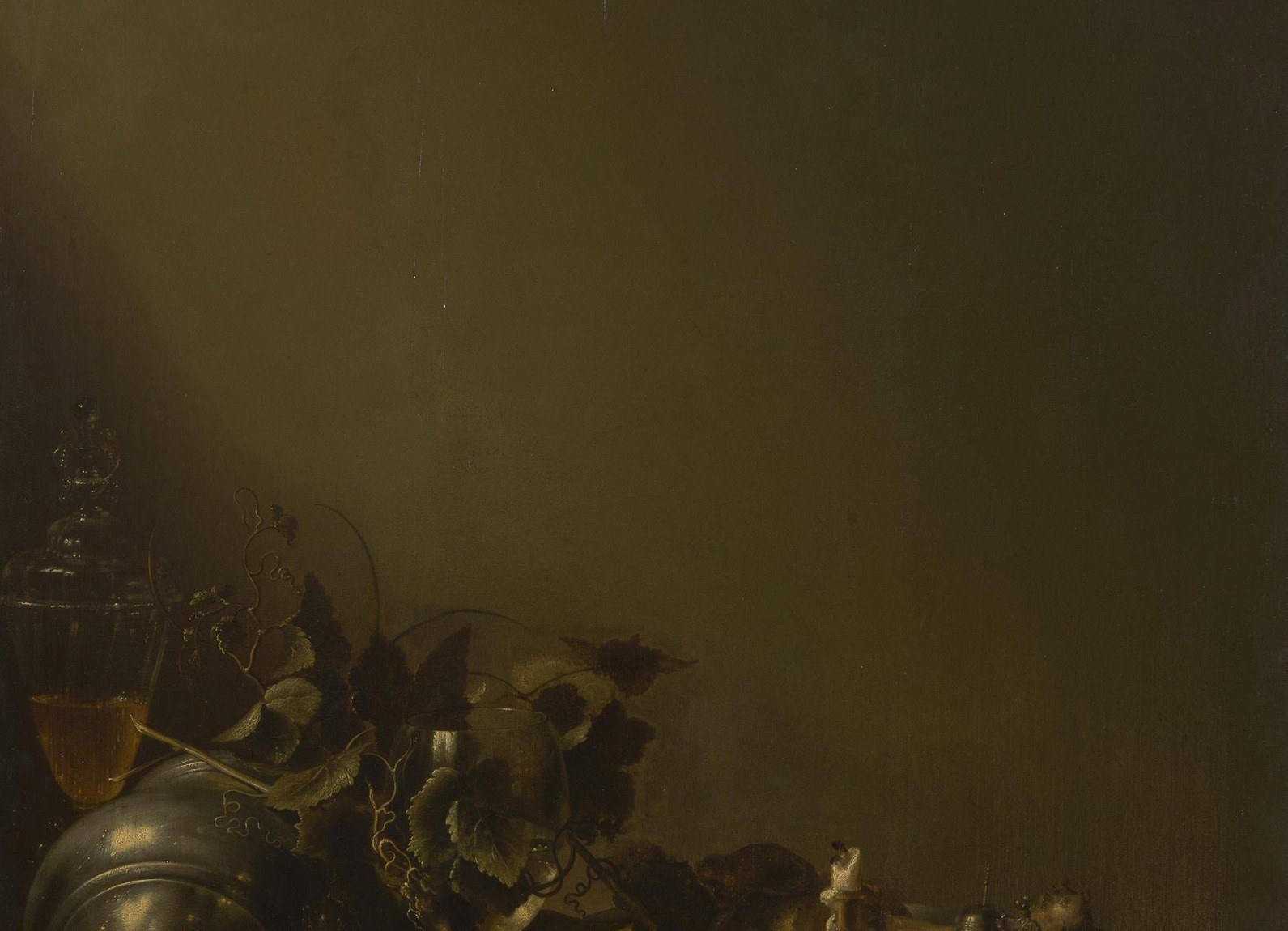
Focus on the striking composition. The artist masterfully renders the textures of each element: the metallic sheen of the overturned pewter jug, the rough crust of the round loaf of bread, and the delicate form of the snuffed candle. The shadowed background enhances the tactile quality of these domestic items.
Roelof Koets, born in Haarlem in 1592, was part of the Dutch Golden Age tradition of still-life painting. While the specific meaning of these arranged objects remains open to interpretation, the artist's skill in capturing their material presence is undeniable. The painting's journey through theft and recovery adds a unique chapter to its history.
What narratives do you see woven into these still objects?
Details
Transcript
This painting was stolen in 1926. It was recovered by Soviet counter-intelligence. Look at the overturned pewter jug. Its metallic sheen suggests disruption. The candle is completely snuffed out. The artist was Roelof Koets, 1633. Were these items meant to represent something hidden?