John Beale Bordley by Peale, Charles Willson
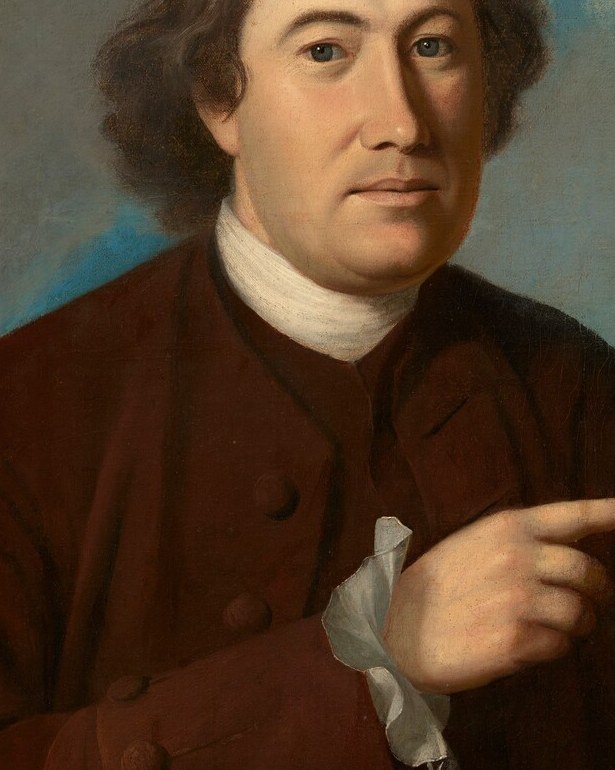
Charles Willson Peale's 1770 portrait shows John Beale Bordley, a colonial gentleman, planter, and agricultural reformer. Painted on the eve of the American Revolution, this work reflects the aspirations of the emerging American elite towards education and civic virtue.
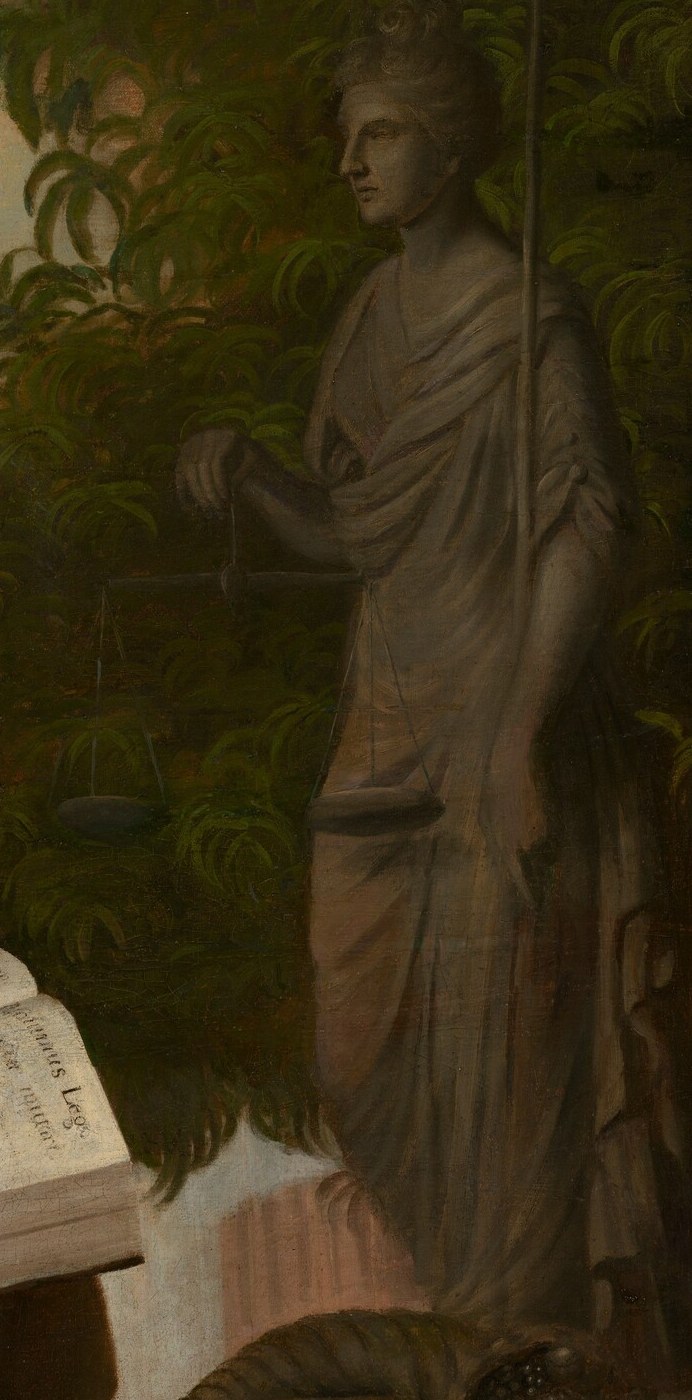
Look at Bordley's direct gaze, his hand gesturing forward as if instructing, and the open book in his arm, all suggesting intellectual pursuits. Note the fine lace of his cuffs, signifying his status, and the classical statue in the background, reinforcing his learned nature.
This portrait was created during Bordley's active years as a planter in Maryland. Peale, an emerging portraitist, captured the self-presentation of the colonial gentry, aligning personal achievement with republican ideals.
How did colonial portraits like this one shape the identity of a new nation?
Details
Transcript
He looks out from the canvas directly at us. His hand gestures forward, like he's instructing. An open book rests in his other arm. This portrait was painted in 1770. The sitter was a planter and reformer. He wears the fine lace of a gentleman. Classical ideals framed his intellectual pursuits. The whole work shows colonial aspirations.