Nancy Kellogg by James Whitehorne
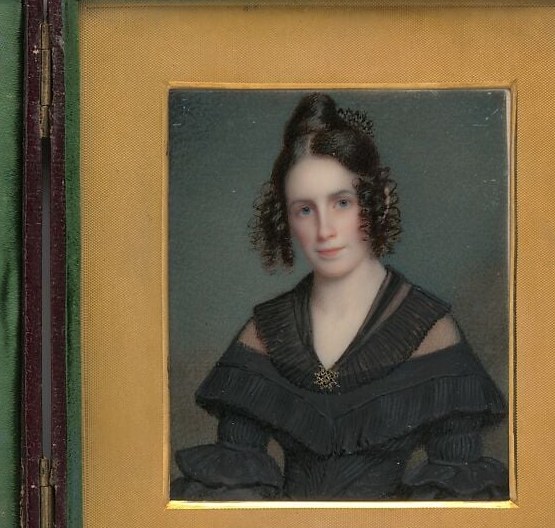
Before the invention of photography, miniature portraits like 'Nancy Kellogg' by James Whitehorne offered a deeply personal way to keep loved ones close. Created in 1838, this watercolor on ivory painting, housed at the Metropolitan Museum of Art, exemplifies how people preserved images of family and sweethearts.
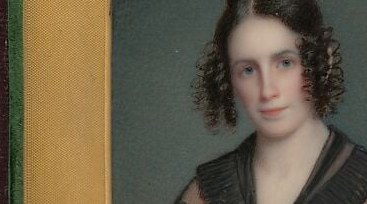
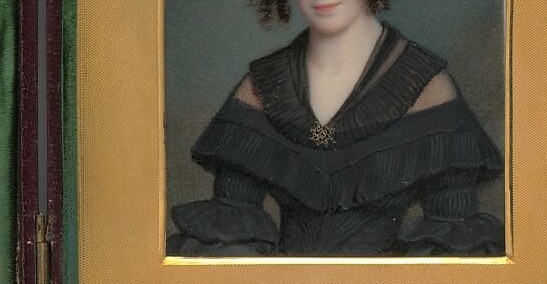
Look closely at Nancy's face, painted with meticulous detail on the translucent ivory. The subtle sheen of the surface gives her skin a soft, luminous quality, making her direct and confident gaze particularly captivating. The delicate ruffles of her collar and the ornate brooch further hint at the fashion and personal adornment of the era.
These small-scale works, often no larger than a playing card and frequently presented in cases like this, were carried as cherished mementos. They were tokens of affection, remembrance, or simply a way to keep a beloved face with you during a time when technology didn't allow for instant images.
It makes you wonder, who carried Nancy's portrait, and what memories did they hold while looking at her face?
Details
Transcript
Before photos, this was how you kept loved ones close. This miniature portrait is painted on ivory. Its translucence gives her skin a soft, glowing effect. She looks directly at us, with a quiet confidence. These were carried by hand, tokens of affection or remembrance. Keeping a beloved face with you, wherever you went.