The Taking of Christ by Francisco de Osona
Francisco de Osona's "The Taking of Christ" (c. 1500) uses intense symbolism to depict a pivotal biblical moment. The painting, housed at the Museo del Prado, reveals the artist's embrace of Italian Renaissance styles.
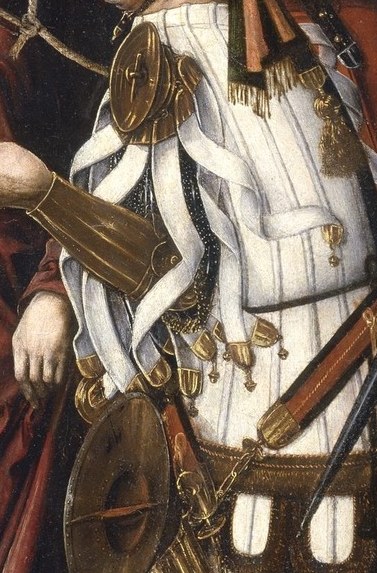
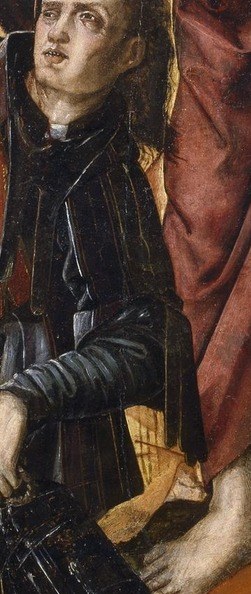
Look closely at Judas's gesture of betrayal, the menacing armor of the guards, and the dramatic torchlight. The fallen disciple illustrates the chaos, while the red cloak itself becomes a symbol of betrayal.
Osona, working in his father's workshop, blended traditional Spanish art with new Italian influences. This oil painting captures the raw emotion and visual storytelling of the era.
Together, these elements create a powerful depiction of capture and sacrifice.
Details
Transcript
Judas's kiss seals Christ's fate. The armor shows the power of arrest. Torches light this moment of capture. A fallen disciple shows the chaos. The red cloak signifies betrayal. The painter worked with his father. He adopted newer Italian styles. Christ's face shows resigned sorrow.