Maid at the Window by Gerrit Dou
Gerrit Dou, Rembrandt's first student, was a master of intricate detail, a style he helped define in the Dutch Golden Age. His 1660 oil painting, *Maid at the Window*, held at the Alte Pinakothek, is a prime example of his meticulous artistry.
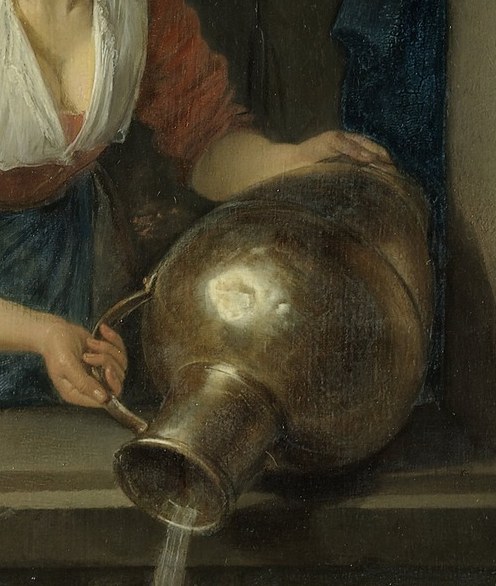
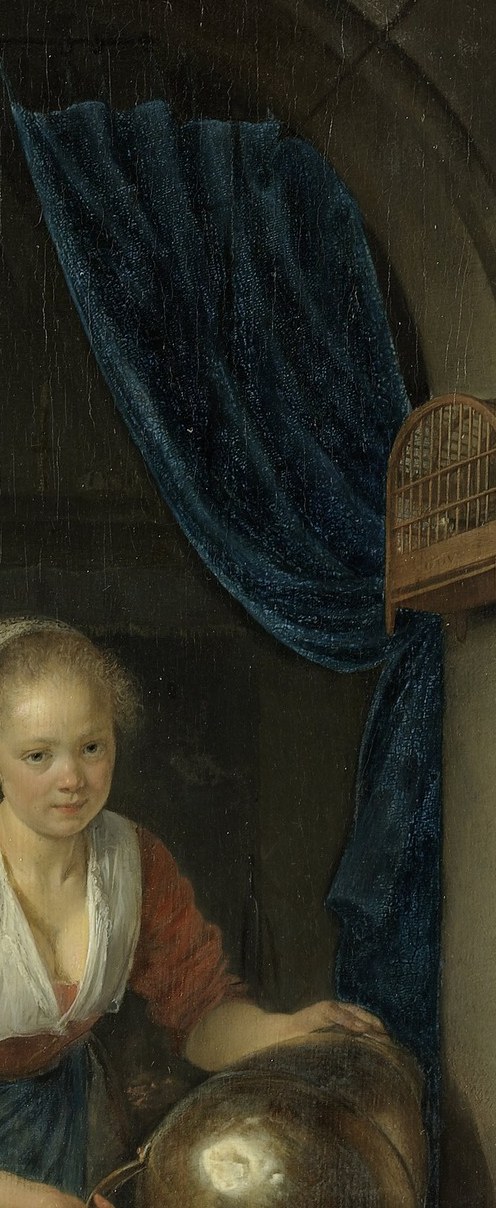
The painting shows a young woman pouring water, expertly framed within an illusionistic niche. Dou's skill is evident in the finely rendered textures of her clothes, the glint on the metallic jug, and the delicate stream of water.
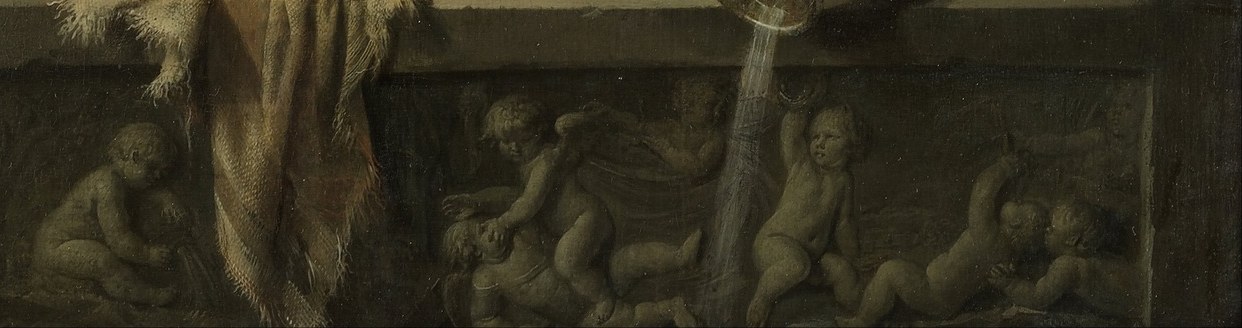
However, it's the often-overlooked details that truly showcase Dou's genius. Observe the barely visible yet intricately carved relief sculptures at the very bottom of the frame. These add an unexpected layer of classical reference to an otherwise domestic scene, enriching the painting's meaning and demonstrating the artist's dedication to hidden complexity.
What other small details do you notice in the background of this remarkable work?
Details
Transcript
This painter was Rembrandt's first student, known for small, detailed scenes. Look closely at the jug, painted with incredible precision and light. Even the stream of water is rendered with microscopic detail. The scene is framed by an illusionistic niche, a signature of his work. But below, something else is hidden in plain sight. Look at these tiny, complex relief sculptures at the bottom.