Madonna and Child Enthroned with Two Angels by Filippo Lippi
View the artwork: Madonna and Child Enthroned with Two Angels →
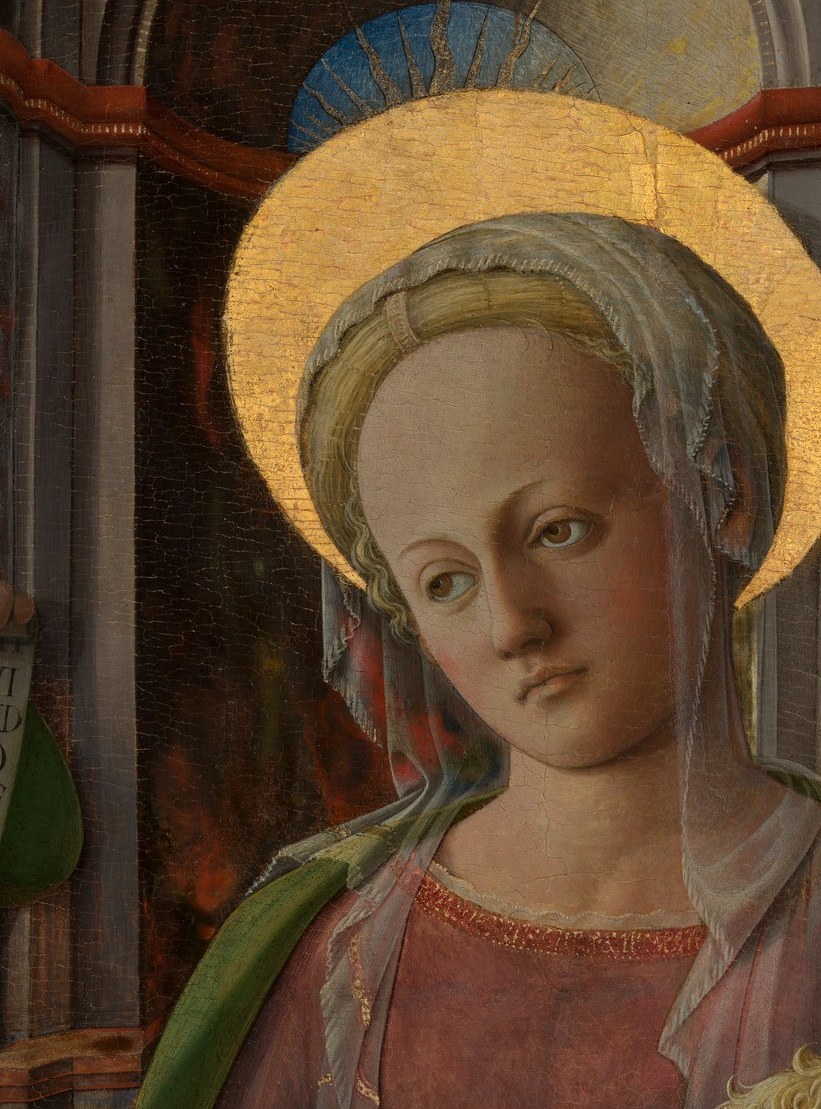
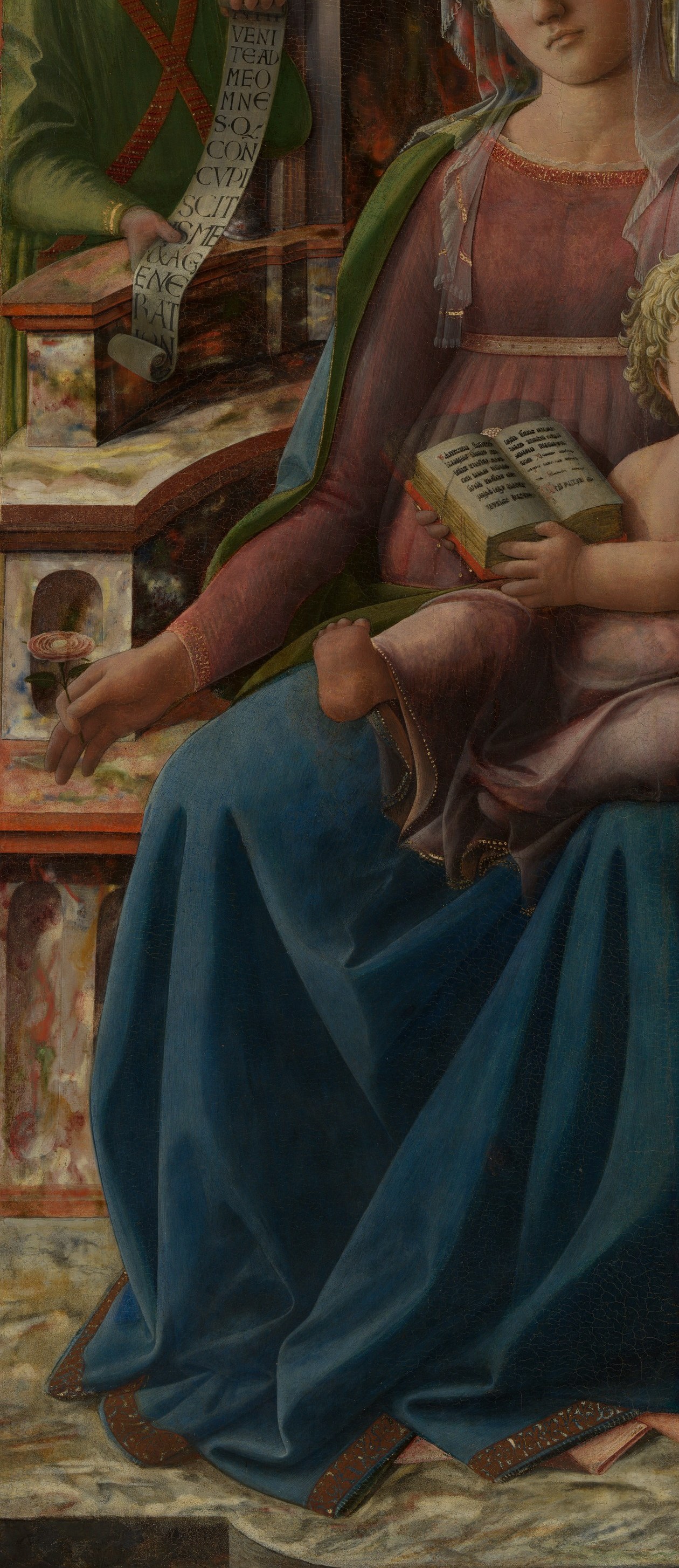
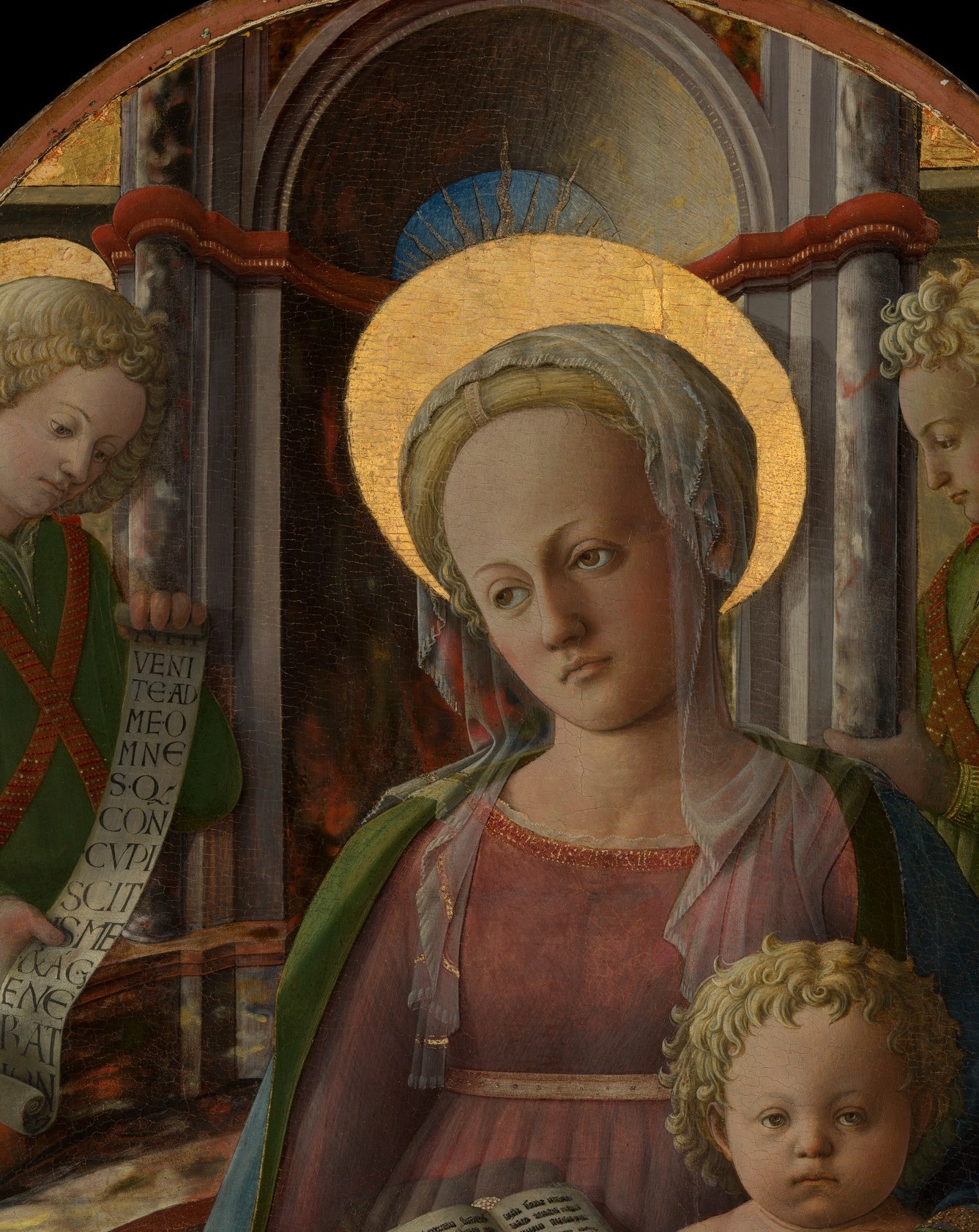
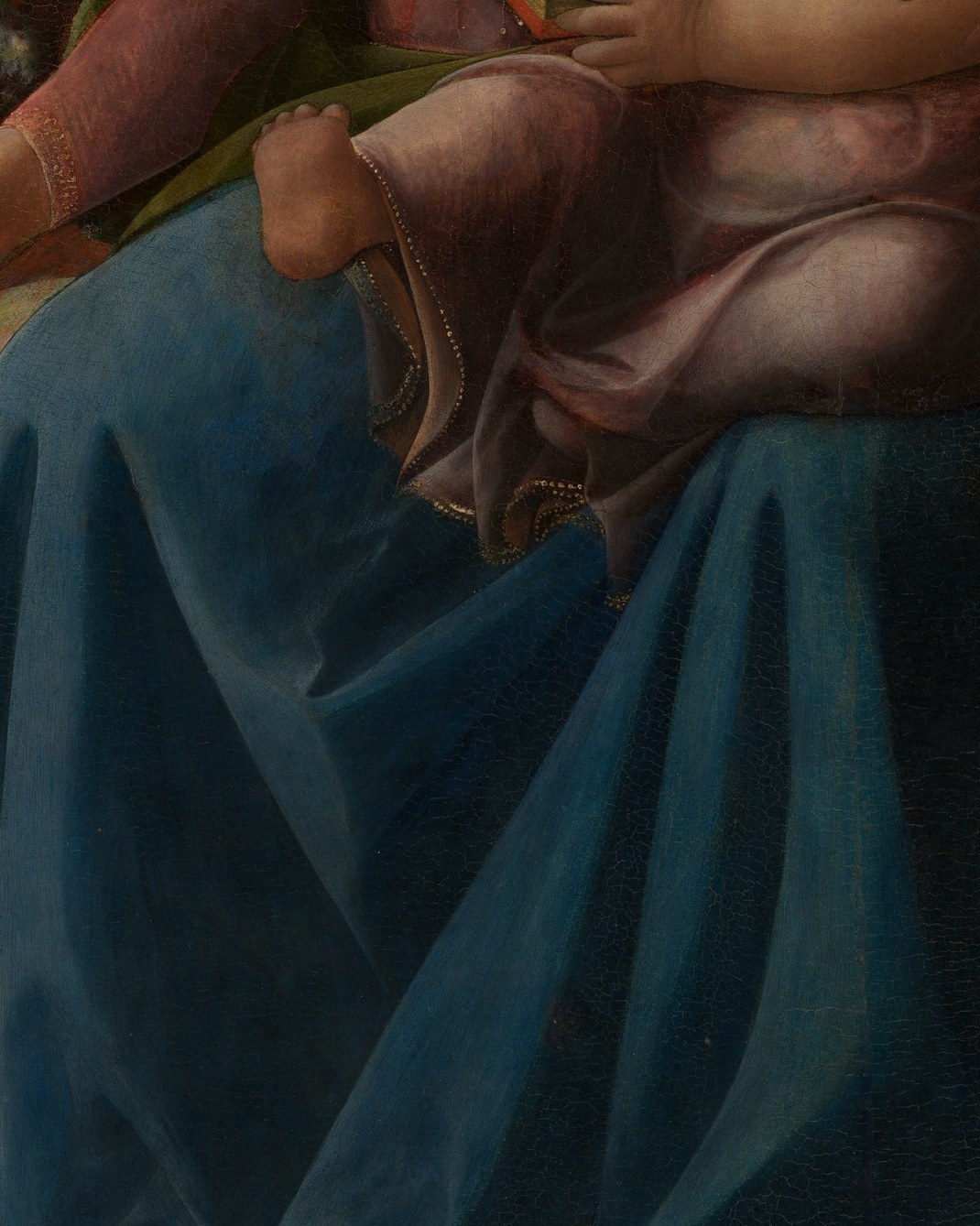
This is Filippo Lippi's "Madonna and Child Enthroned with Two Angels," painted around 1440 in tempera. It hangs in the Uffizi Gallery in Florence. What most captions won't tell you is that the serene face of the Madonna belongs to a young nun who caused one of the greatest scandals of the early Renaissance.
Lippi was a Carmelite friar, and Lucrezia Butzi was a novice in the convent of Santa Margherita in Prato, where he served as chaplain. He asked the nuns to let him paint Lucrezia as the Virgin Mary. The two fell deeply in love during those sittings, and in 1456 they escaped together during a religious procession.
The scandal was enormous. Lippi was arrested for sacrilege, and the couple's status as a fugitive friar and a runaway nun made them outcasts. Only the direct intervention of Cosimo de' Medici with Pope Pius II resolved the crisis. The Pope eventually released them both from their monastic vows so they could marry legally.
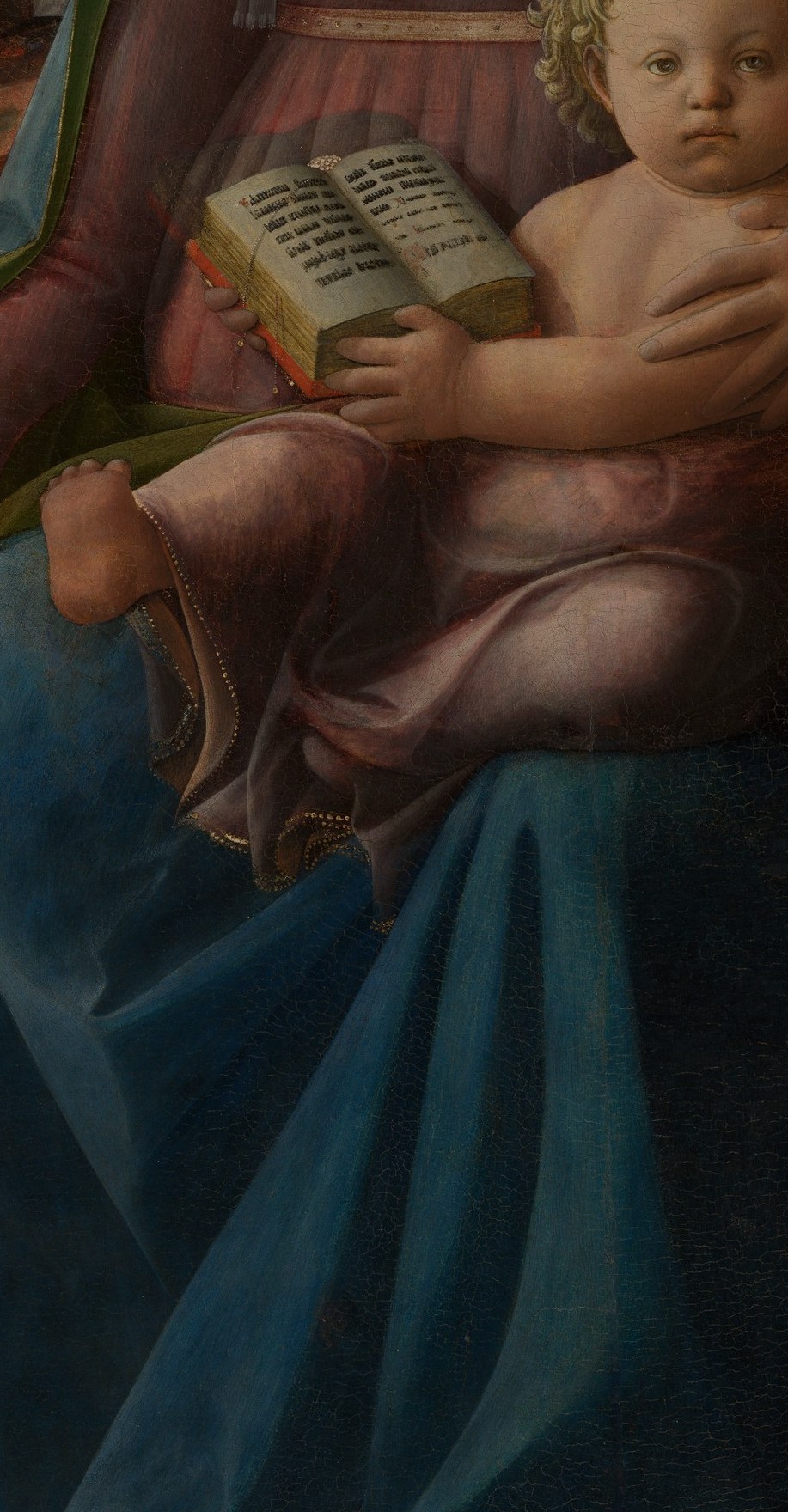
The infant Christ in this painting looks out at us while holding a book. He is Logos, the divine Word made flesh. And in a deeply human twist, he is also a portrait of the artist's own son, Filippino, who would become a celebrated master in his own right, taught by his father in the Lippi workshop.
#arthistory #filippolippi #renaissance
Details
Transcript
Filippo Lippi was a Renaissance master and a Carmelite friar. His Madonna was a young nun named Lucrezia Buti. Look at this face. It is a real woman, not an ideal. He was her convent's chaplain. They fell in love and they ran away together. The scandal rocked Florence. Cosimo de' Medici had to plead with the Pope for their release from their vows. Their son, Filippino, grew up to be a great painter too, taught by his father. The little boy in this painting, holding the book of wisdom, is their love made flesh.