A panoramic view of Rhenen, seen from the North-East by Jan van Goyen
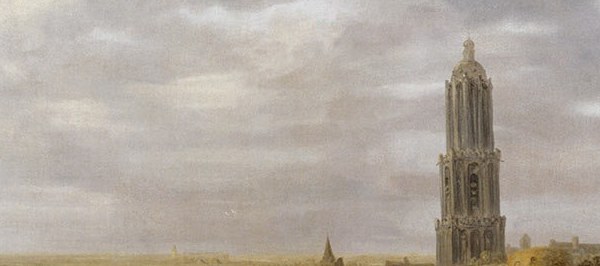
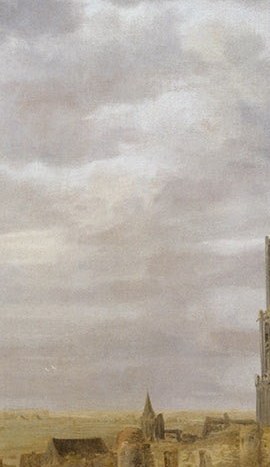
Jan van Goyen's "A panoramic view of Rhenen, seen from the North-East," painted in 1636, offers a unique window into 17th-century Dutch topography. This landscape by the prolific Dutch master, now in The Metropolitan Museum of Art, showcases the town of Rhenen as it appeared almost 400 years ago.
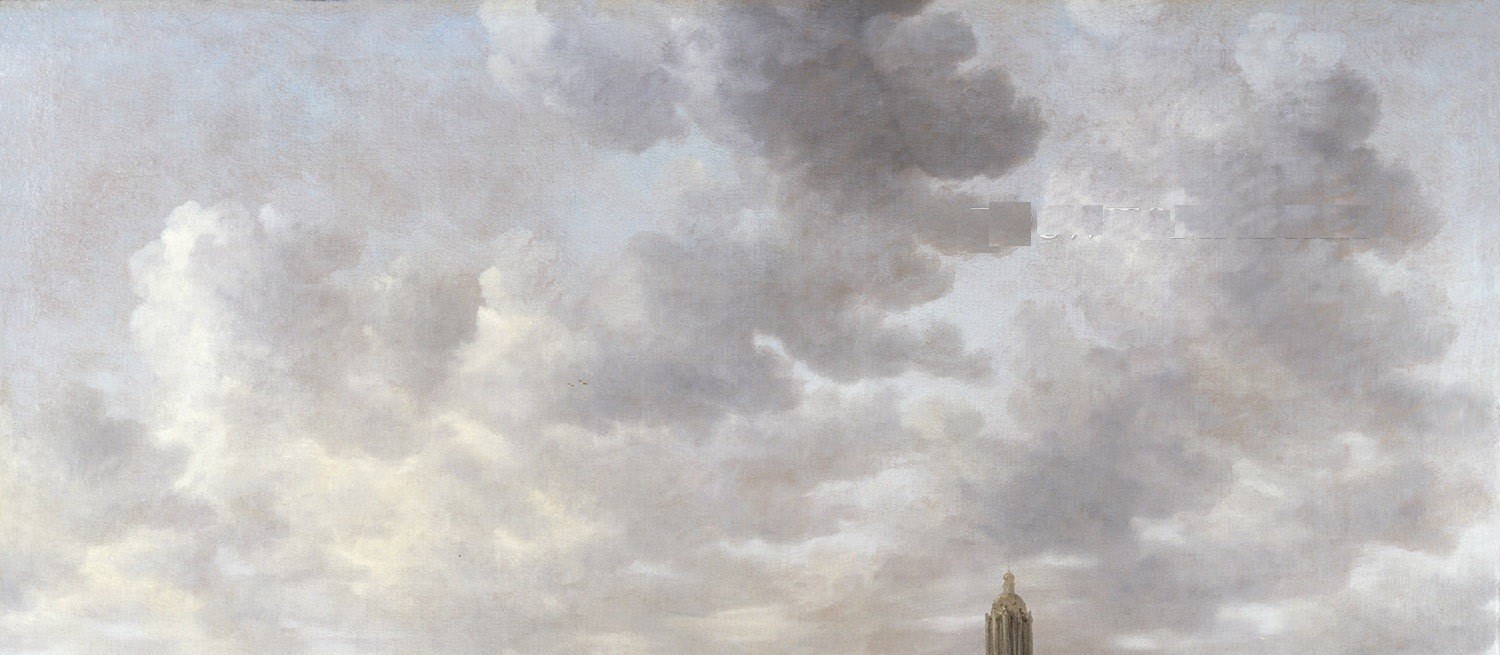
Look closely at the scene: while much of the town has changed over centuries, the distinctive Gothic spire of the Cunerakerk still stands as a testament to the town's enduring history. Van Goyen's masterful rendering of the expansive sky and the flat river valley creates a tranquil, atmospheric view, characteristic of his work.
Van Goyen was a key figure in Dutch landscape painting, known for his diverse subjects and his ability to capture the unique light and atmosphere of the Low Countries. He painted over a thousand works, many of which, like this one, serve as invaluable historical documents.
This painting invites us to compare the past and present, to see what endures and what transforms. What details from 1636 do you imagine still exist in Rhenen today?
Details


Transcript
This is Rhenen, in the Netherlands, in 1636. Most of the town looks very different today. But its Cunerakerk tower still dominates the skyline. Van Goyen was famous for his cloudy, atmospheric skies. He painted more than 1200 landscapes, many just like this. His use of light made the entire panorama glow.