Head of a Child by http://www.wikidata.org/.well-known/genid/5d886ce96c2dac5c3a8f71ce75c3be48
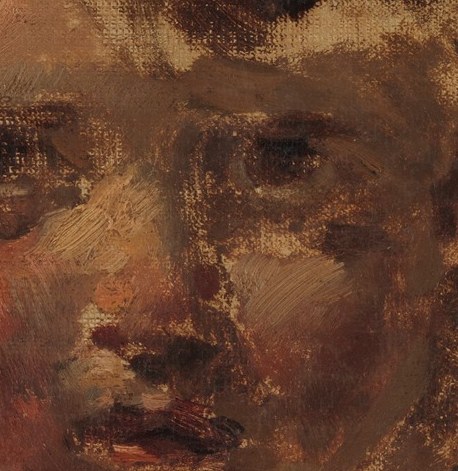
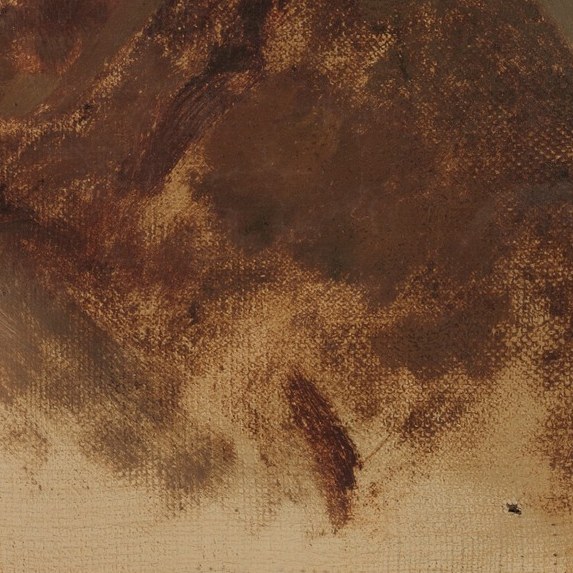
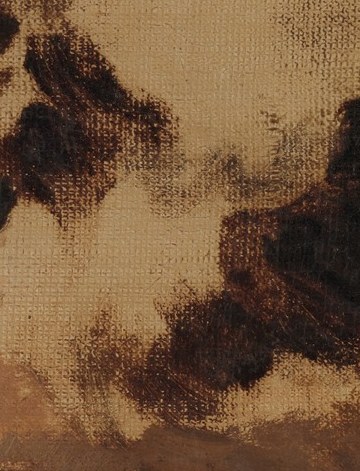
This is Head of a Child, by an unknown artist, circa 1900. The most striking aspect is how the painter prioritizes the physical presence of paint itself. Observe the child's direct, serious gaze and the unfinished areas. Notice the thick, impasto brushstrokes creating a palpable texture on the forehead and the loose handling of paint in the hair. This work is a prime example of late 19th-century portraiture that valued expressive technique over exact likeness. The artist focused on surface and gesture, allowing the oil medium's tactile qualities to define the mood. The unfinished shoulder suggests the painting process was as important as the final result, drawing attention to the artist's active hand. This piece invites us to consider the materiality of art and the choices artists make when capturing a subject.
Details
Transcript
This child looks right at you. But his gaze is very serious. The painter used thick paint here. Much of the shoulder is unfinished. The artist was exploring paint's texture. This oil technique created palpable texture. His left eye reveals introspection. The painting is about surface and gesture.