Cydippe with the Apple of Acontius by Paulus Bor
Paulus Bor's "Cydippe with the Apple of Acontius" (c. 1650) is an oil painting housed at the Rijksmuseum. This work draws on classical myth but uses symbolic objects to create a deeper narrative.
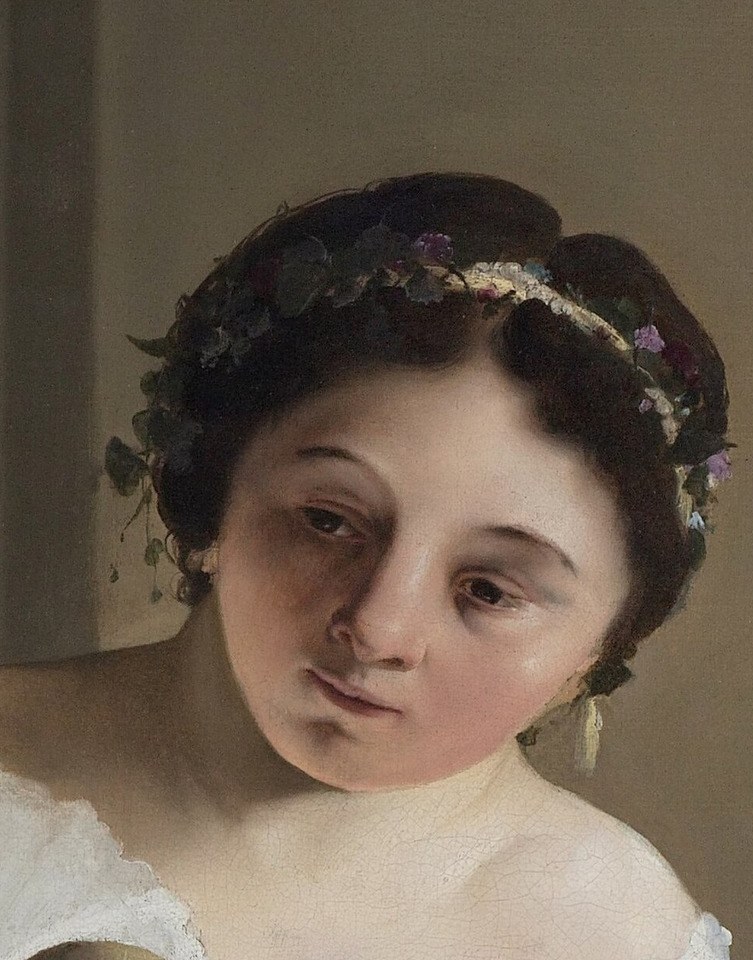
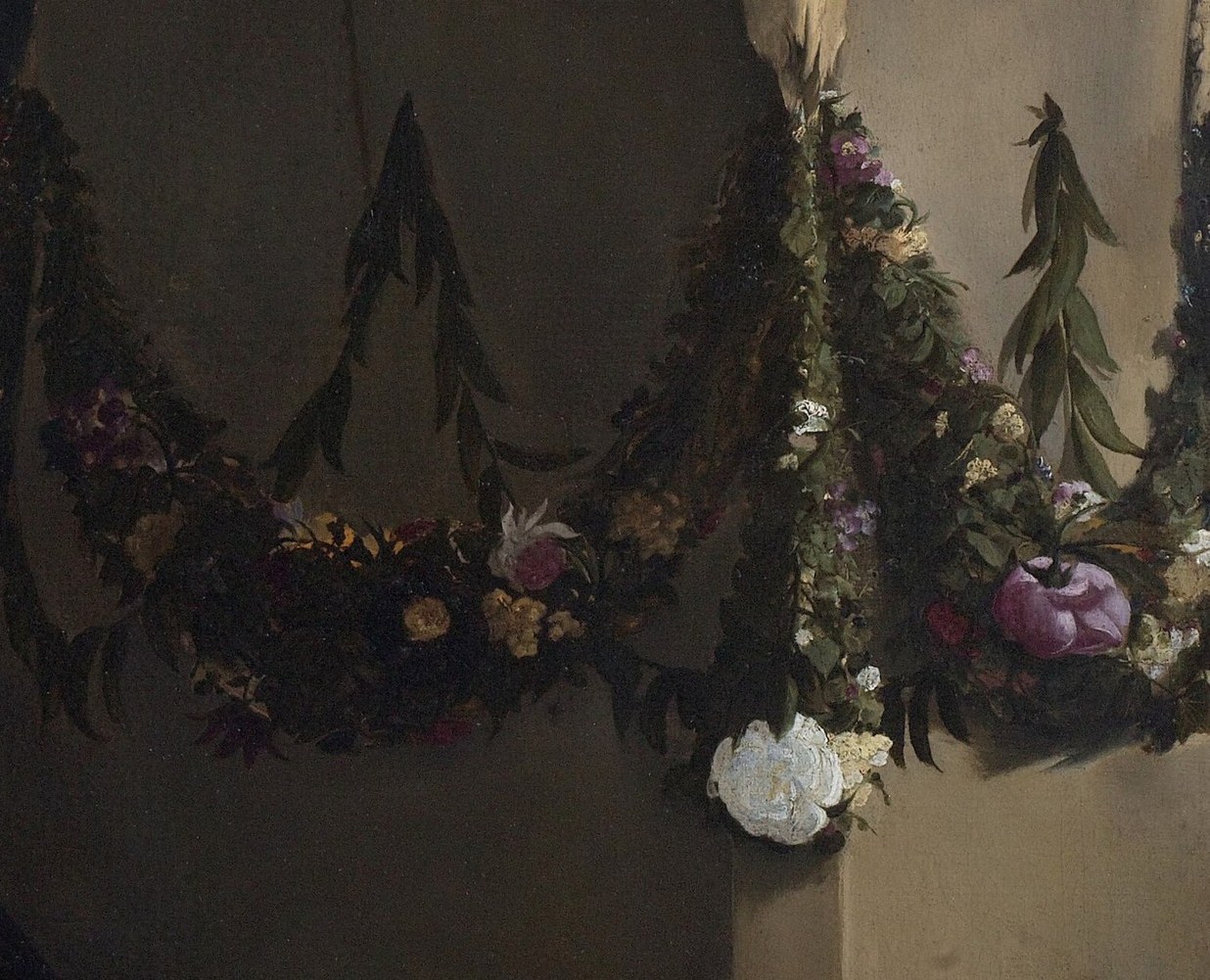
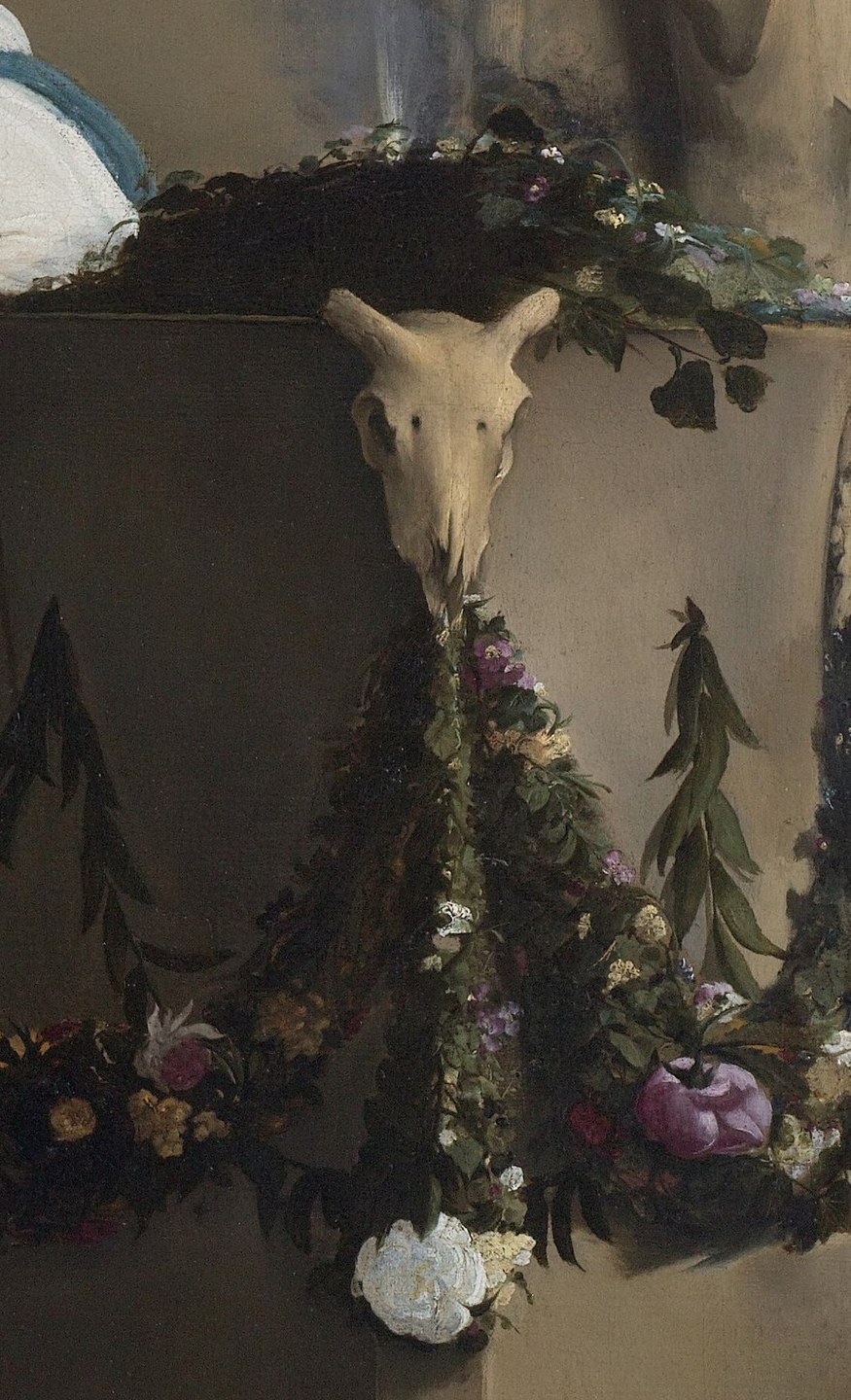
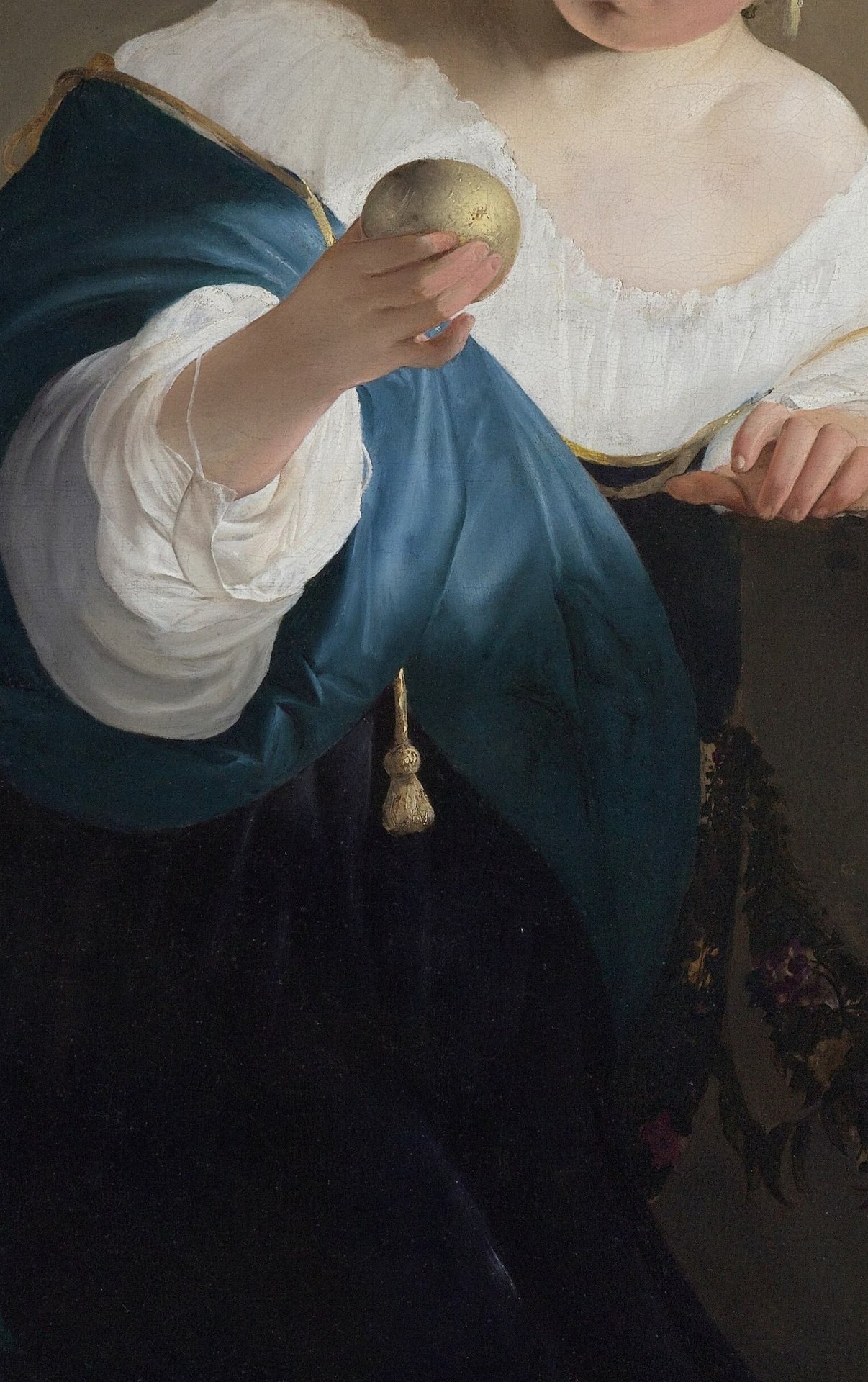
Observe Cydippe's introspective gaze and the apple she holds, a symbol often representing temptation or knowledge. Notice the contrasting textures of her white garment, blue shawl, and the metallic urn. Pay close attention to the floral garlands and the prominent skull.
Bor, a Dutch Golden Age artist and member of the Bentvueghels, painted this in a style echoing Italian Baroque with its dramatic chiaroscuro. The painting's symbolism, particularly the skull and apple, invites contemplation on life, death, and choice.
What story do these combined symbols tell about Cydippe's contemplation?
Details
Transcript
She holds an apple. Is it temptation or knowledge? Her gaze is downcast, her posture introspective. The artist's technique creates strong light and shadow. Look at the floral garlands and the ornate urn. This art society member worked in Rome. Here is a skull, a symbol of death. The painter was Paulus Bor, around 1650.