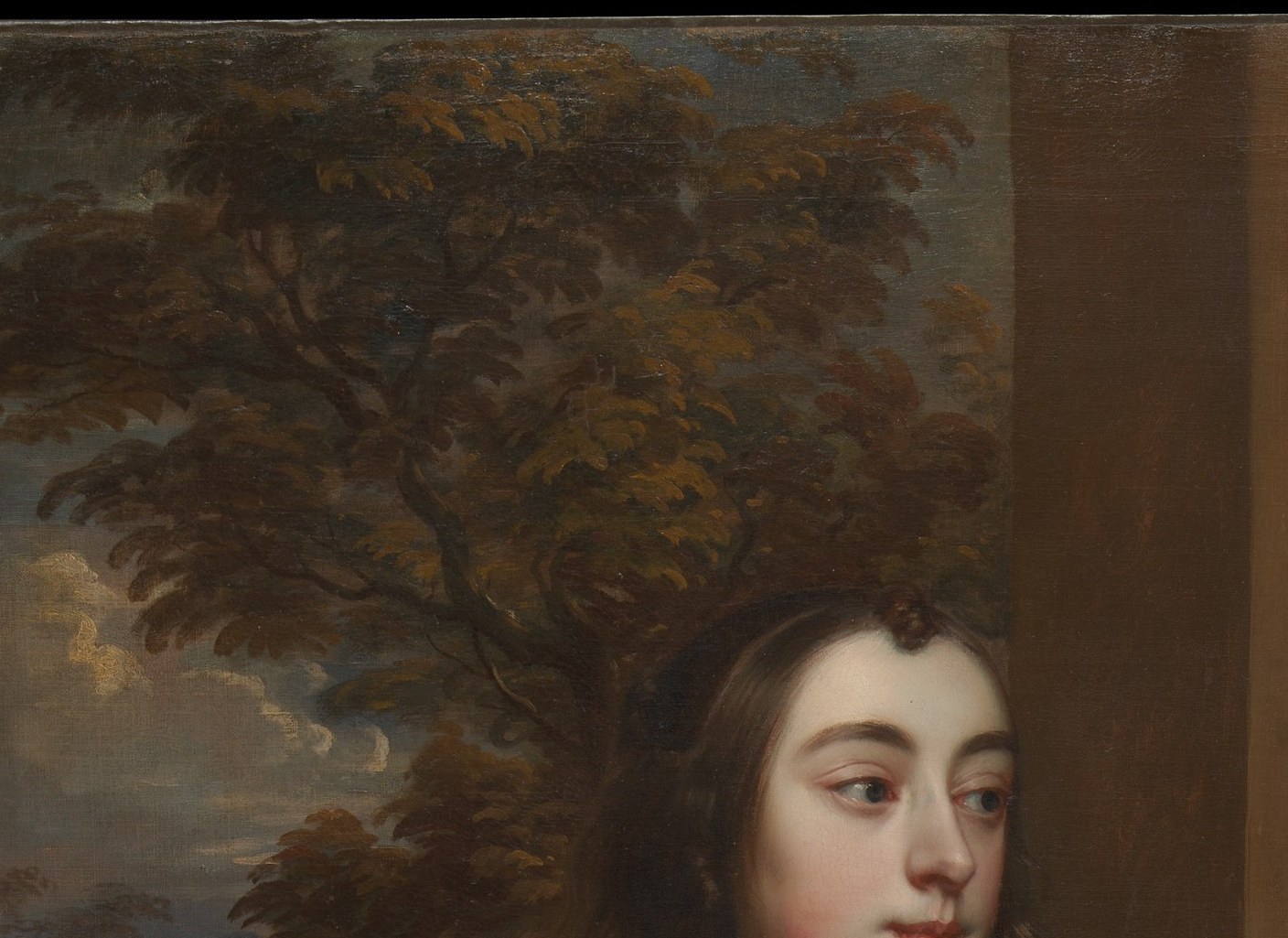
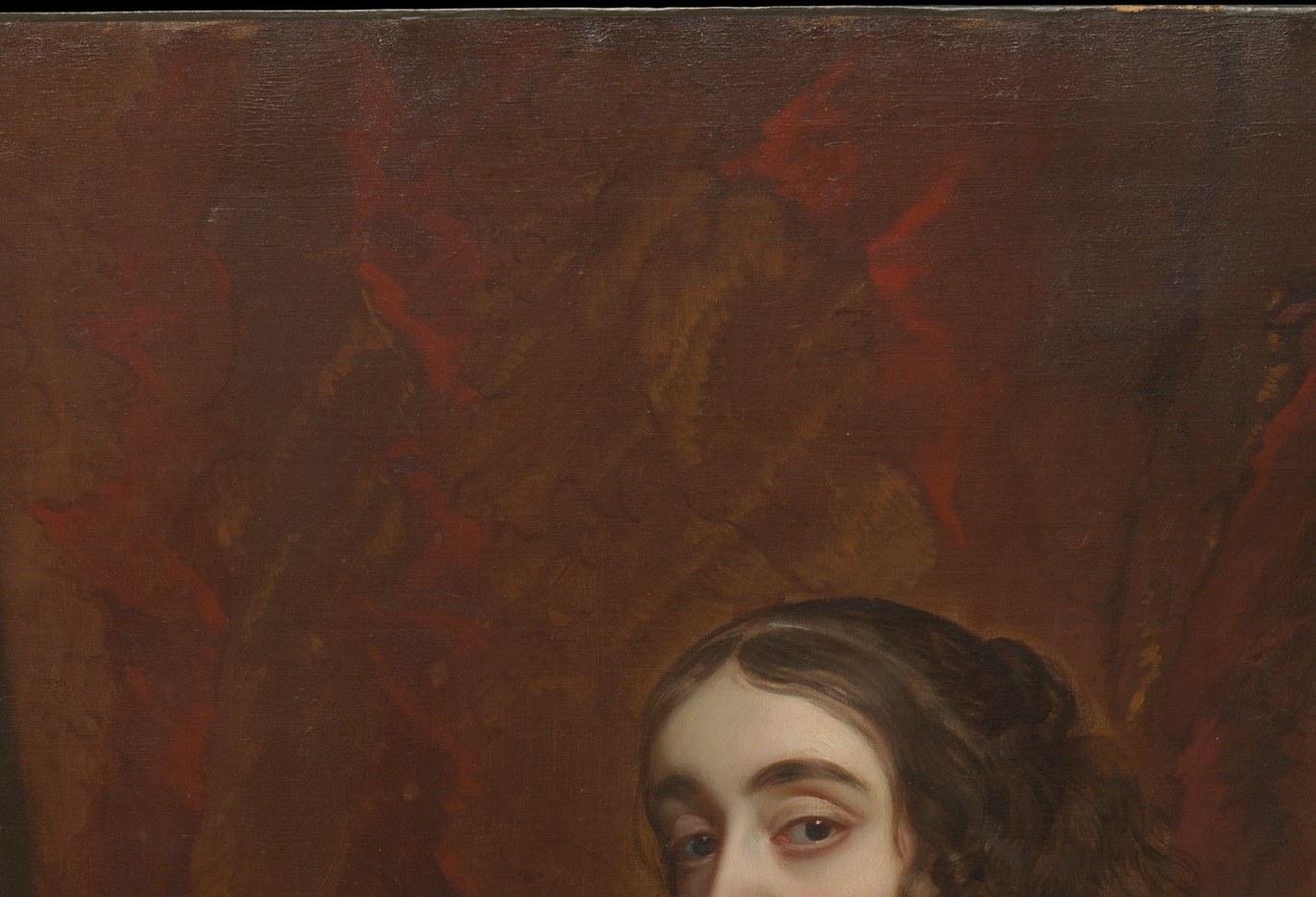
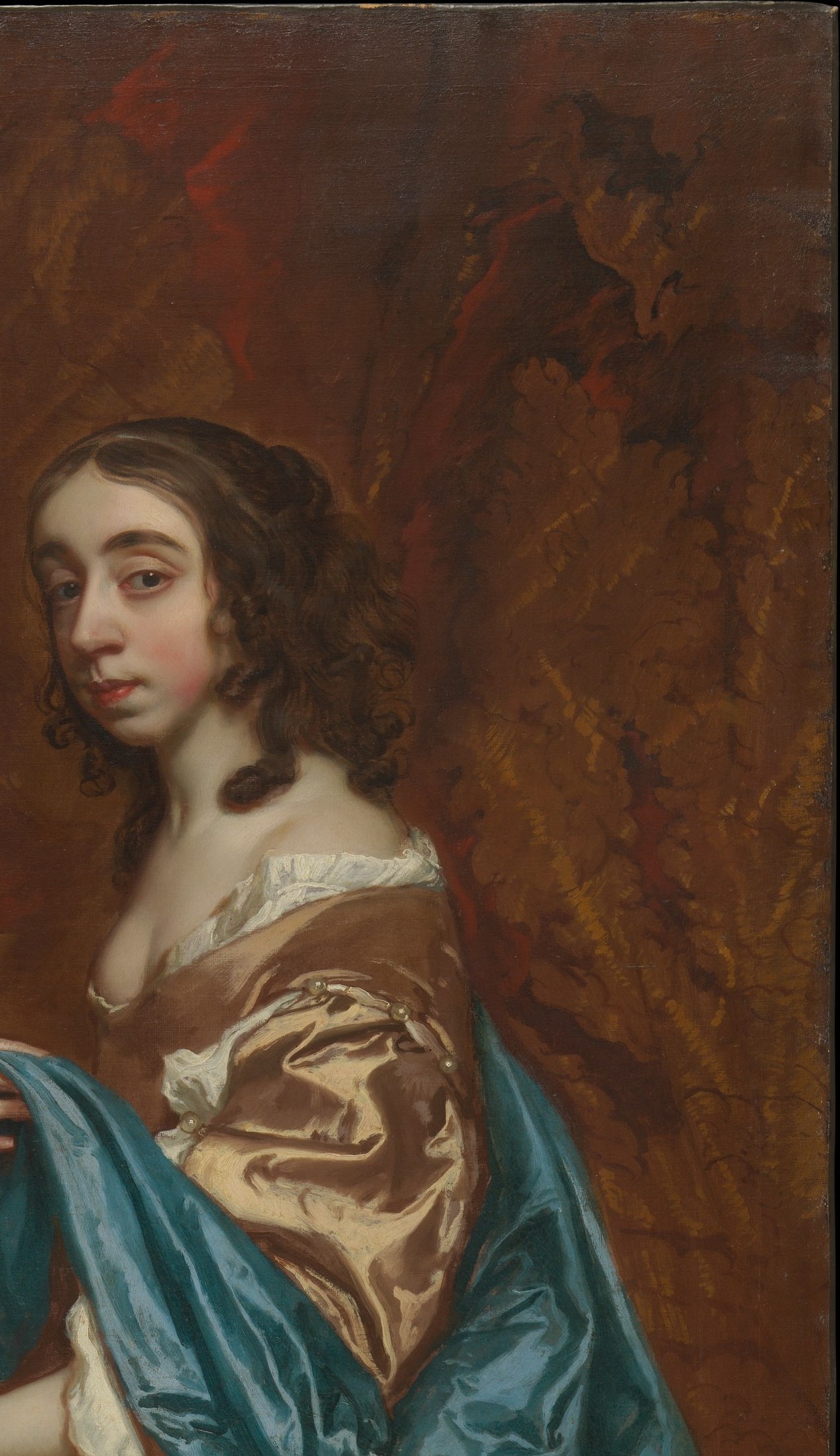
Mary Capel (1630–1715), Later Duchess of Beaufort, and Her Sister Elizabeth (1633–1678), Countess of Carnarvon by Peter Lely
Mary Capel and Her Sister Elizabeth, painted by Peter Lely around 1670, is a double portrait that holds a quiet riddle. The sisters sit side by side, their faces alike but distinct, their futures already diverging: Mary would become the Duchess of Beaufort and Elizabeth the Countess of Carnarvon.
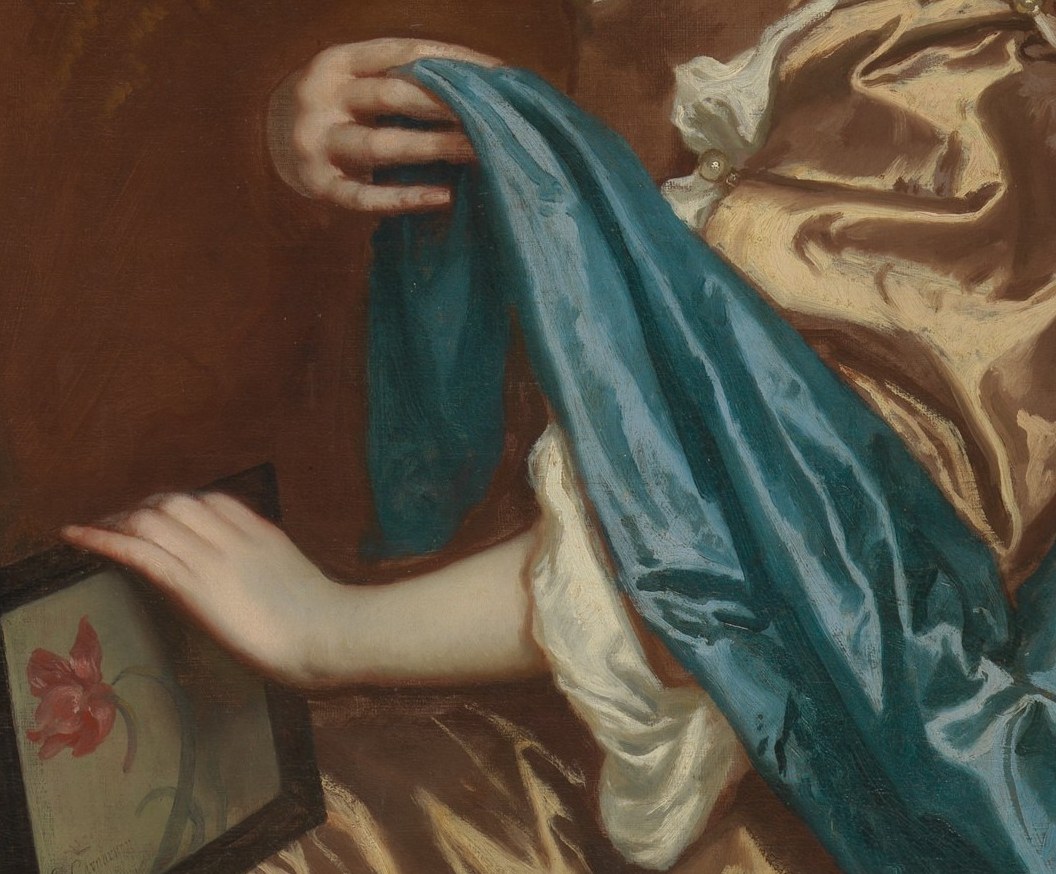
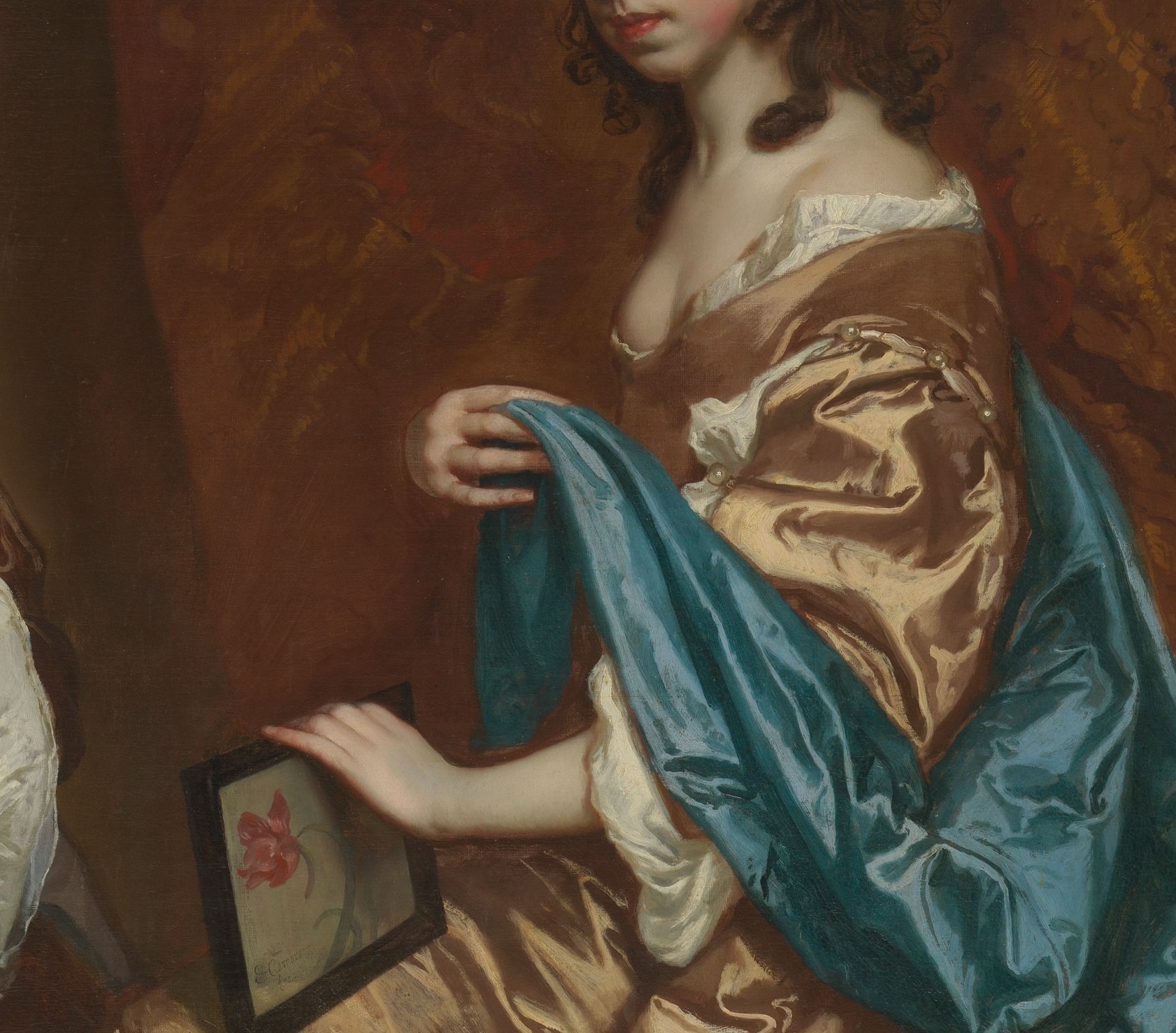
Look at what Elizabeth holds upright in her hand. It is a small framed miniature, a portrait-within-a-portrait. The figure inside is deliberately depicted, yet the identity of that sitter remains unconfirmed. Some scholars see a husband; others a parent or another lost relative. Lely offered no label.
Lely was the dominant portraitist of the English Restoration court, knighted by Charles II the same year this was likely completed. His ability to render satin, silk, and flesh made him the natural choice for aristocratic families who wanted their standing made visible. This picture does that work, until the miniature pulls us closer, and the tidy story of status gives way to something less certain.
The hidden detail is not hidden at all. It is right there, deliberately included, deliberately small, and deliberately silent. We are left looking at a tiny likeness of someone who mattered, and we are left not knowing why.
Details
Transcript
Two sisters, painted for a single canvas. On the left, Mary. A future Duchess. On the right, Elizabeth. She will become a Countess. Now look at what Elizabeth is holding. A miniature portrait. A painting inside a painting. Art historians still don't agree on who the sitter is. A husband? A lost parent? The question endures.