William Sidney Mount by Elliott, Charles Loring
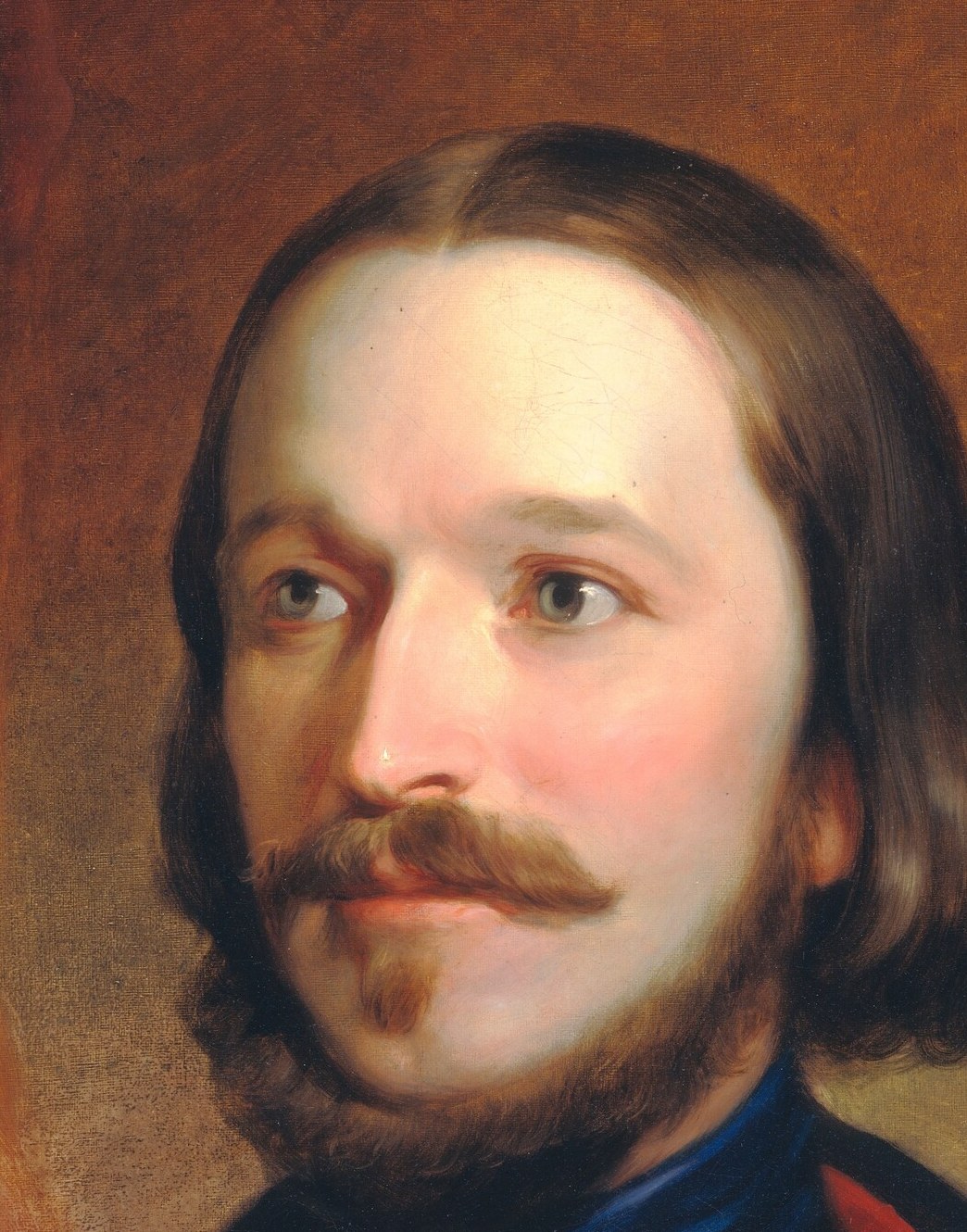
Charles Loring Elliott was renowned for his painterly realism, especially in portraits like "William Sidney Mount," created around 1850. This oil on canvas, housed in a private collection, showcases his innovative approach to texture and depth.
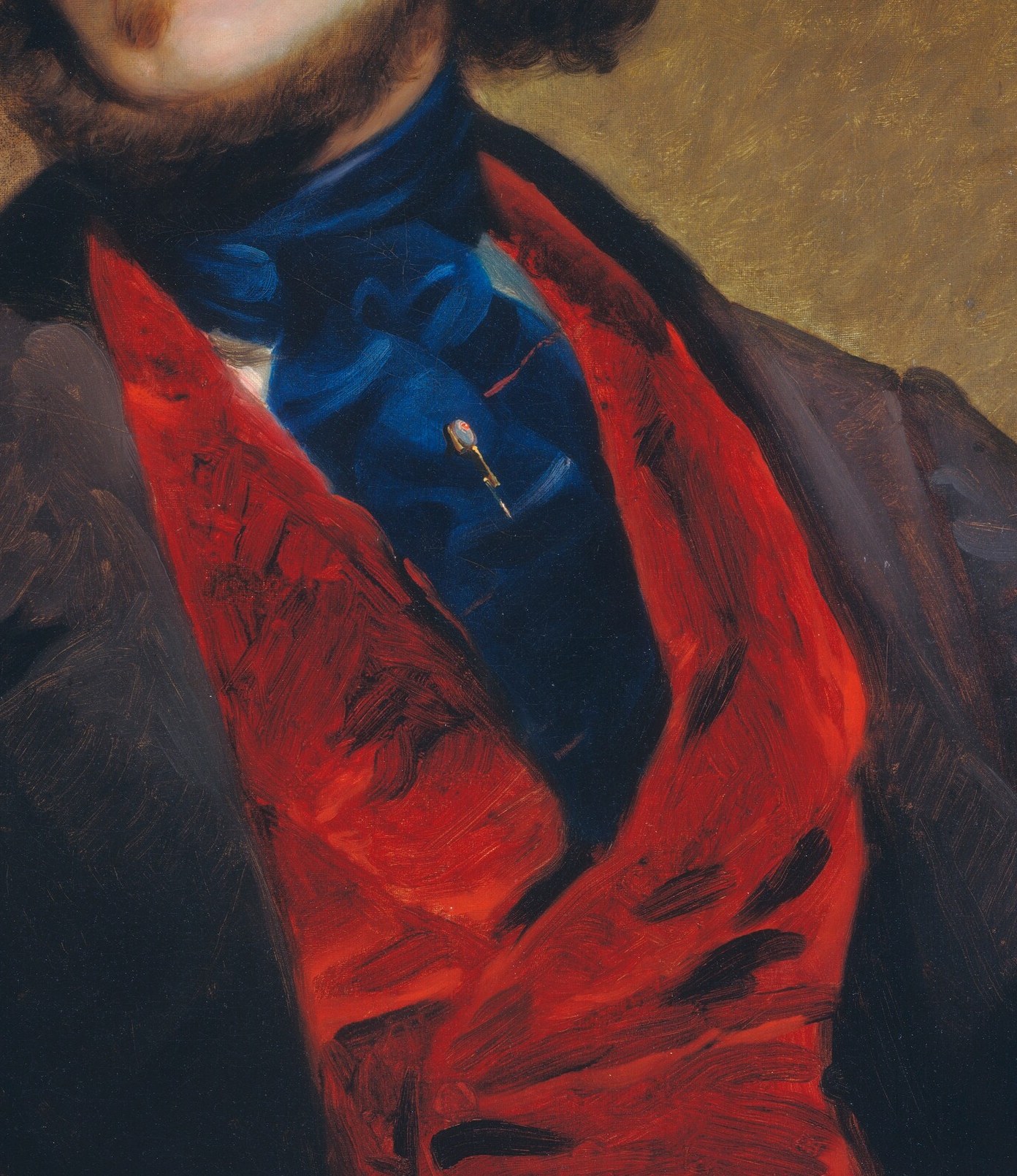
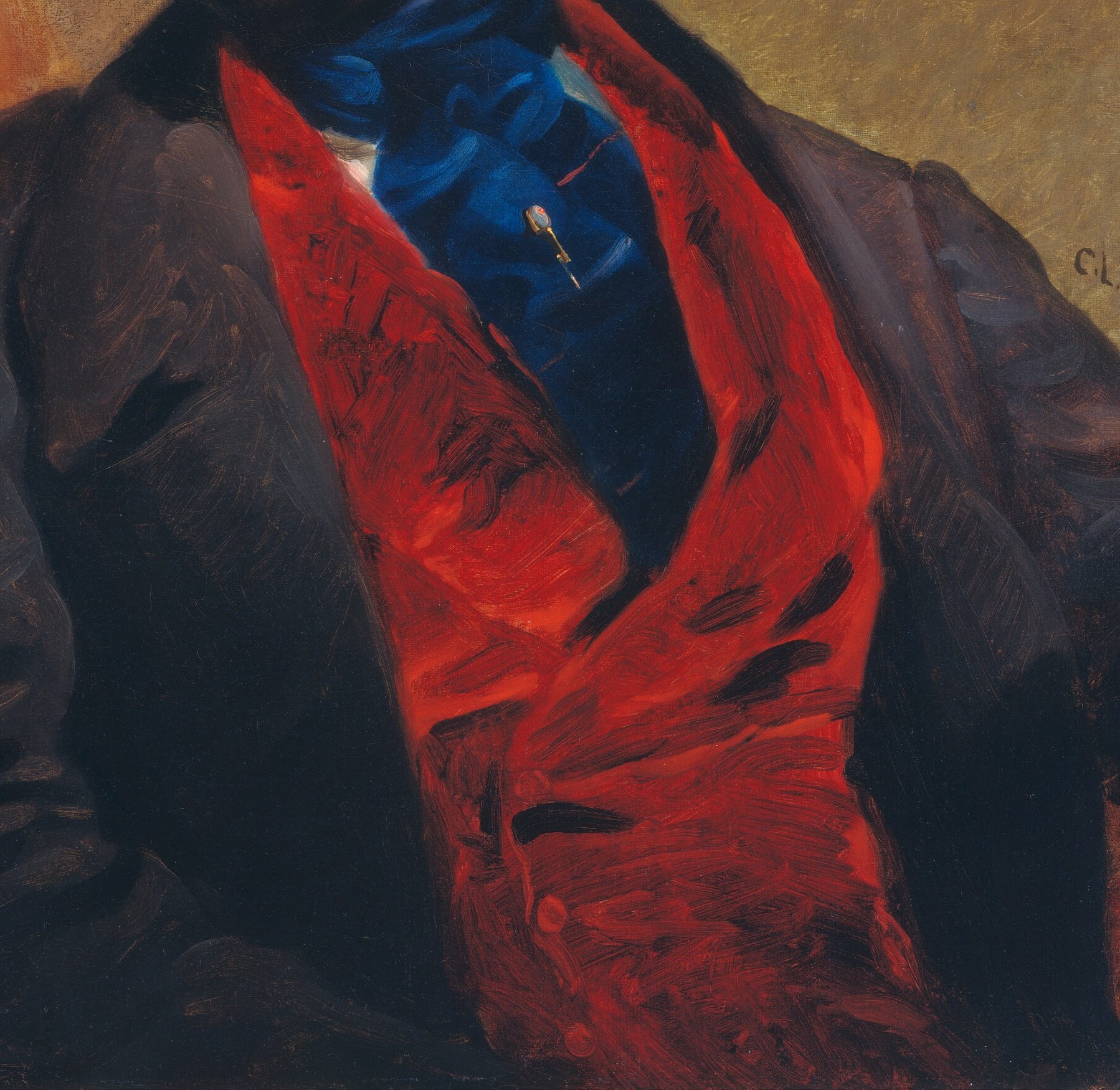
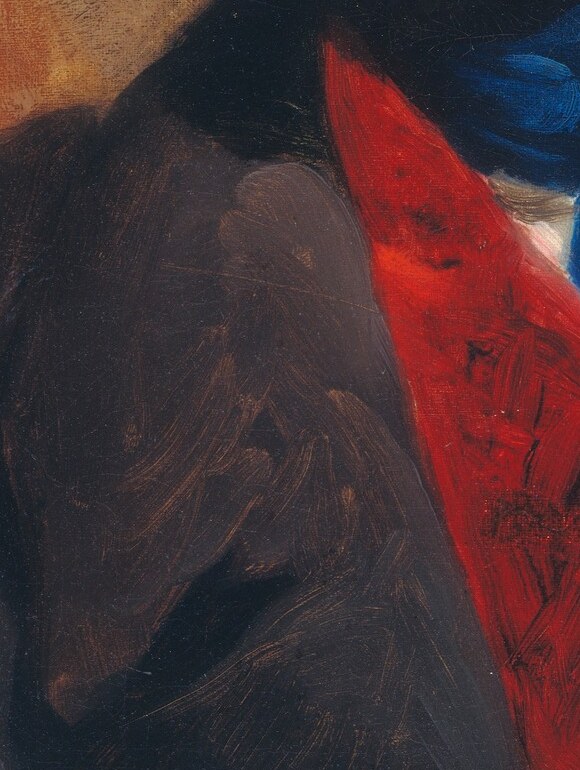
Observe the subject's vibrant red vest and dark coat. Elliott used energetic, visible brushstrokes to create a striking sense of fabric and dimension, a technique that was quite modern for its time. It’s a masterful illusion, making the paint itself feel like cloth.
During the 1850s, American art was shifting towards more truthful, less idealized depictions of people. Elliott’s work, with its focus on character and visible brushwork, perfectly exemplifies this transition, moving away from earlier, tighter styles of portraiture.
The painting invites us to appreciate the subtle yet powerful ways artists bring their subjects to life. What details in the brushwork do you find most compelling?
Details
Transcript
This painter was known for his astonishing realism. But look closely at the vivid red vest. The energetic brushstrokes create texture and depth. The dark coat also uses loose, visible brushwork. This technique gives the fabric a painterly realism. It was a new style for American art in 1850.