The Adoration of the Magi by North Netherlandish 15th Century
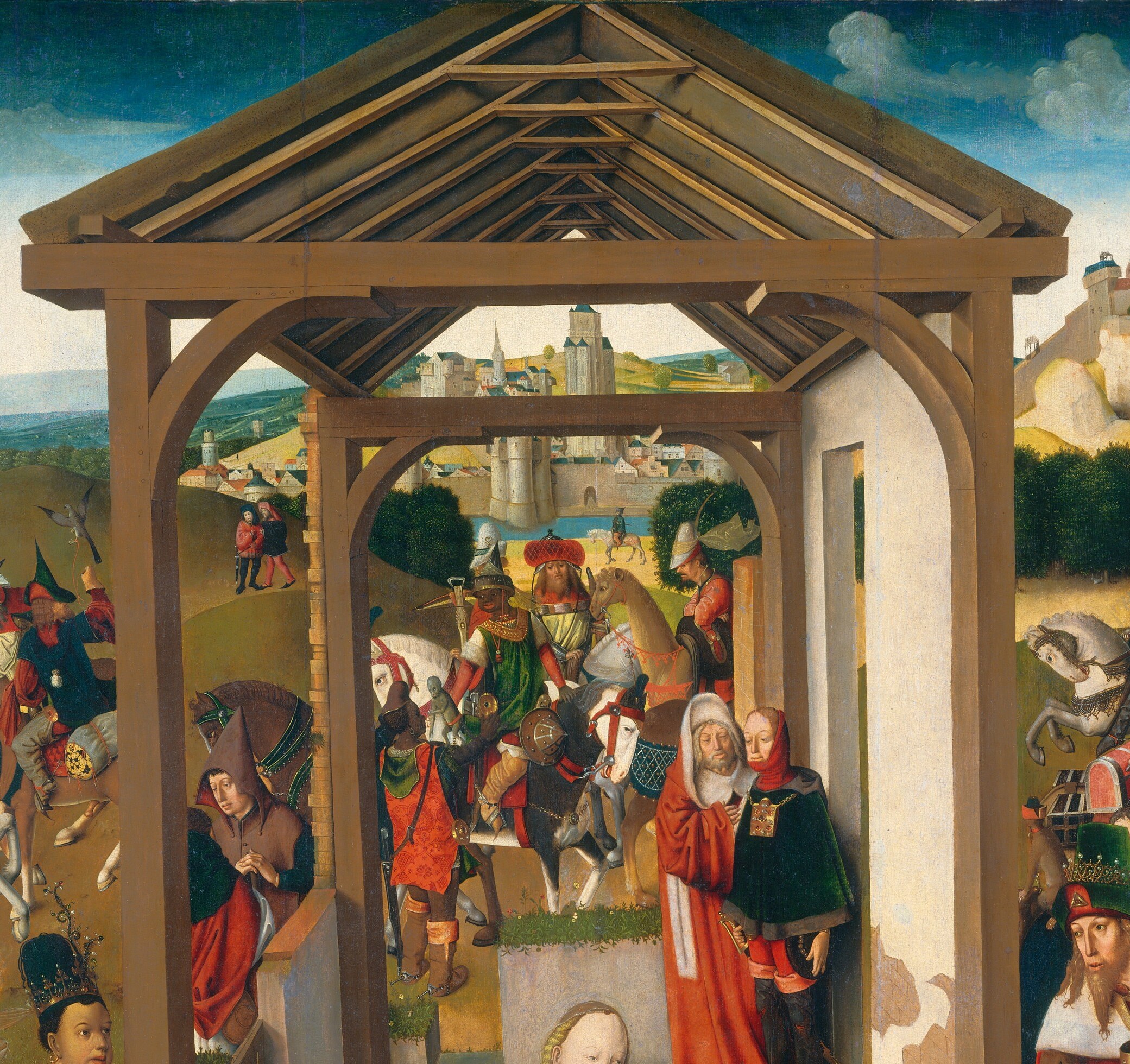
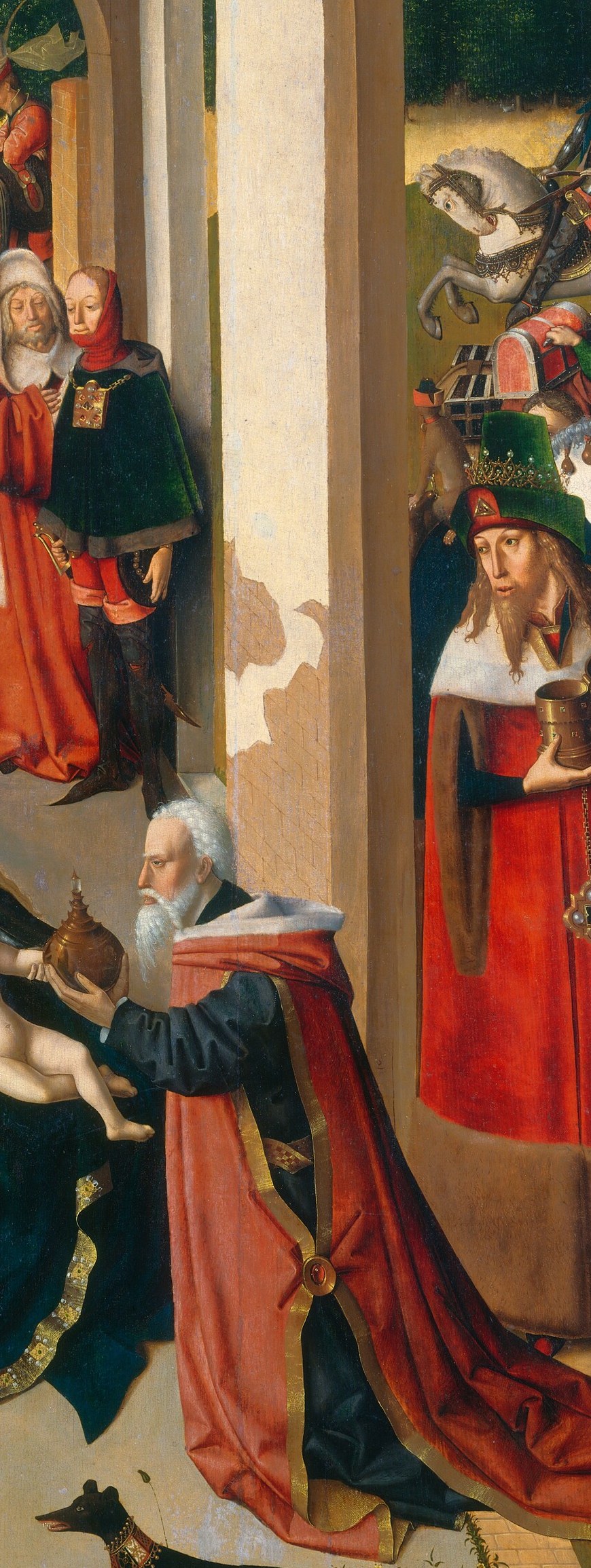
"The Adoration of the Magi," painted by an unknown North Netherlandish artist in the late 15th century, isn't just a work of art, but a remarkable story of survival. Originally created on a wooden panel, this painting underwent a complex conservation process centuries ago: its painted layers were carefully transferred to a canvas support when the original panel began to deteriorate. This intricate procedure saved the artwork, allowing us to still marvel at its details today.
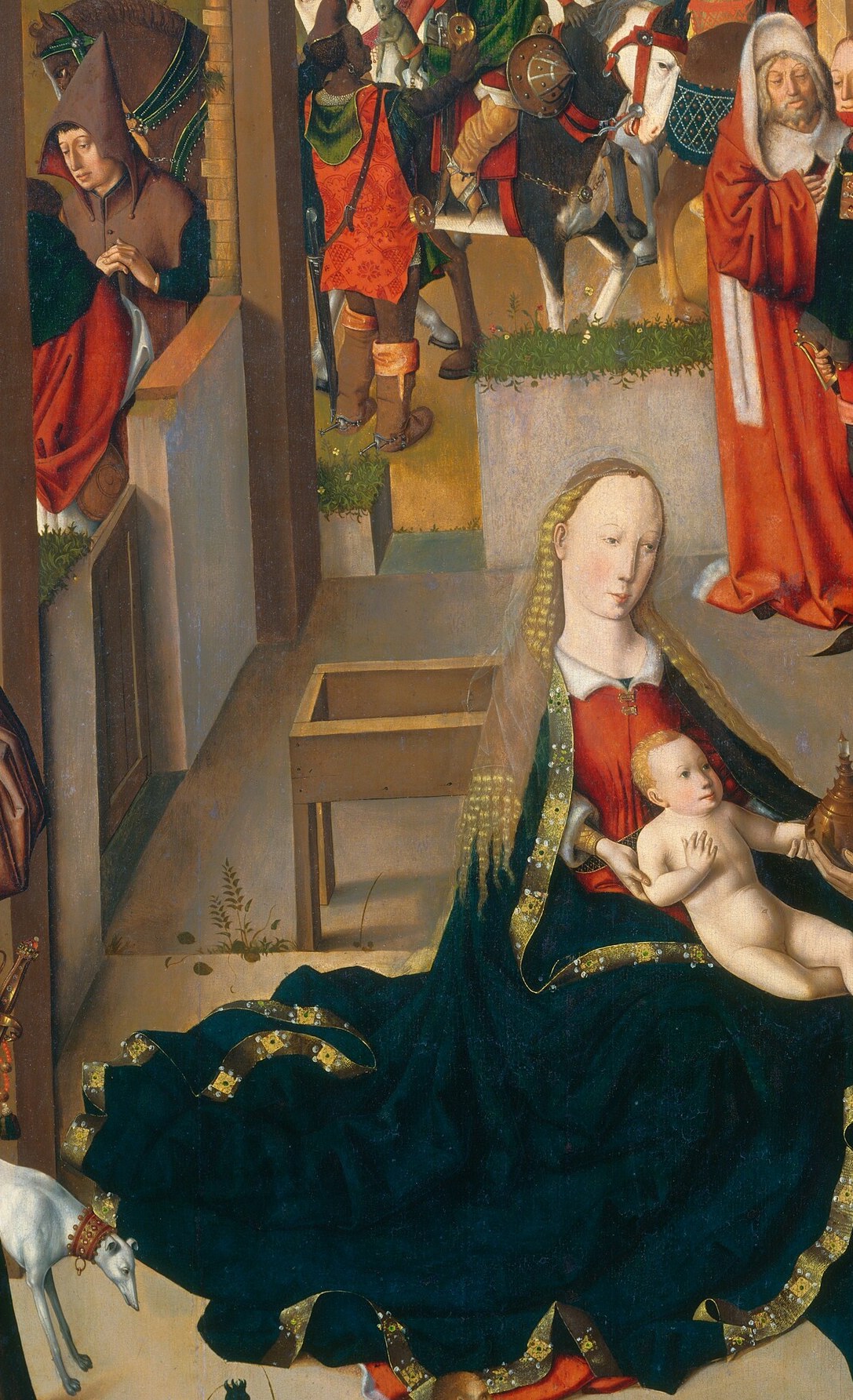
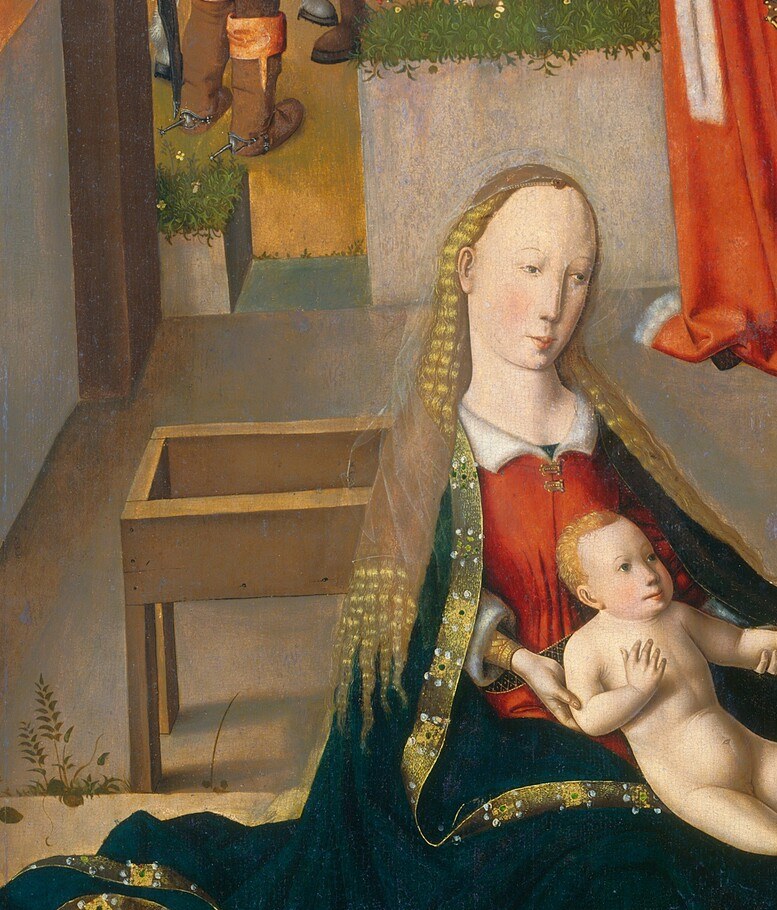
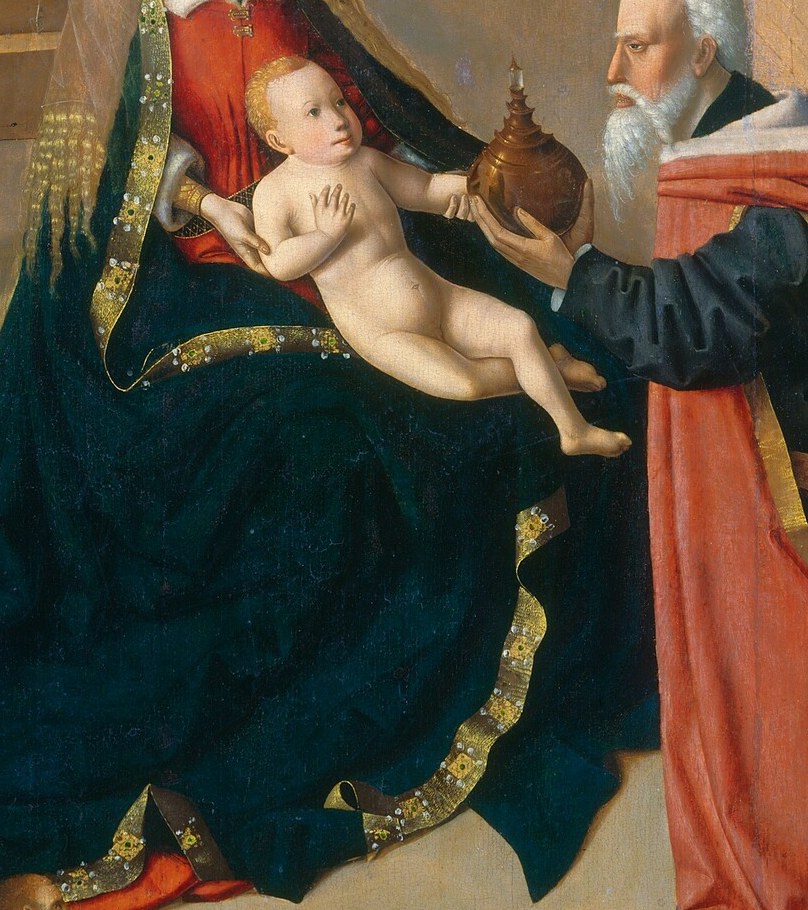
Observe the rich colors and delicate rendering of figures like the Virgin Mary and the Christ Child, or the ornate gift vessel presented by the kneeling Magus. These elements showcase the artist's skill with oil paints, a medium that allowed for incredible depth and luminosity.
The transfer from panel to canvas highlights a significant chapter in art conservation history, demonstrating the lengths to which custodians have gone to preserve important artworks. It's a testament to both the original craftsmanship and the ongoing dedication to artistic heritage.
What other hidden histories do you think paintings might hold?
Details
Transcript
This painting shows a familiar story, but its surface hides another. The artist painted this on a wooden panel, as was typical then. Centuries later, its original panel was failing. So, the painting was painstakingly transferred to canvas. This delicate process required peeling off layers of paint. It is a rare survival, preserving the artwork itself. You are seeing not just a painting, but a triumph of conservation.