Overschie bij maneschijn by Johan Jongkind
Johan Barthold Jongkind's "Overschie by Moonlight," painted in 1871, captures a tranquil night scene with a profound sense of solitude. This oil painting, part of the Rijksmuseum collection, reflects the artist's introspective nature and his unique approach to landscape.
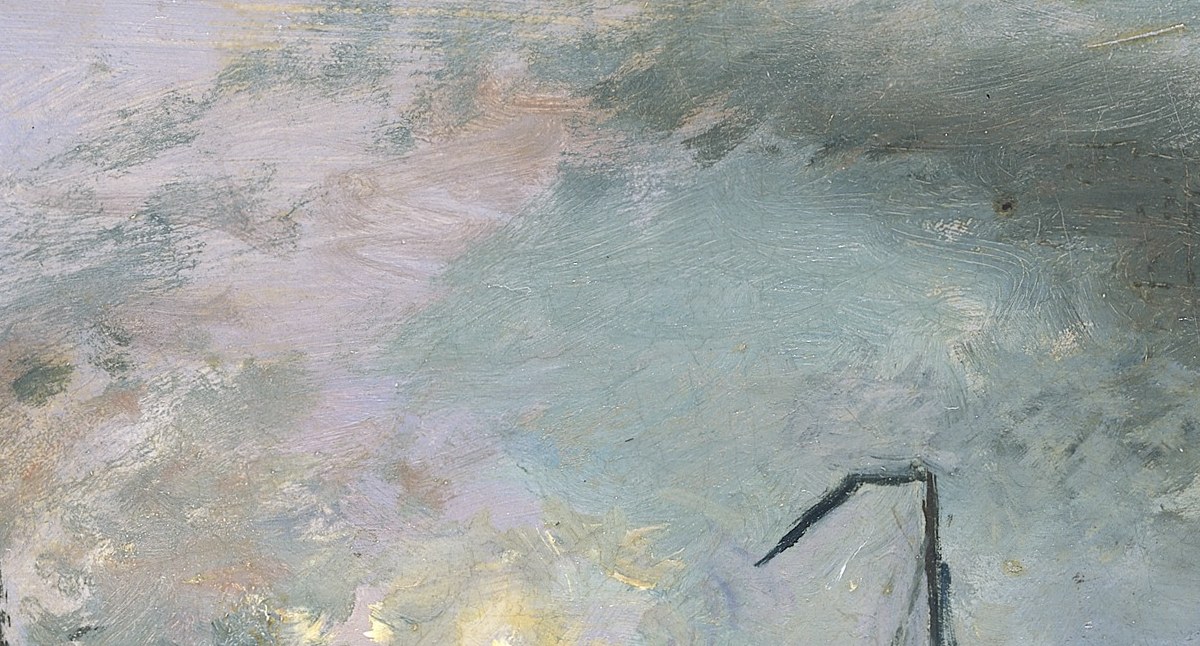
Notice the delicate crescent moon illuminating the cloudy sky and its shimmering reflection on the water. The church tower and distant lights hint at human settlement, yet the figures remain small and isolated, almost absorbed by the vast, quiet landscape.
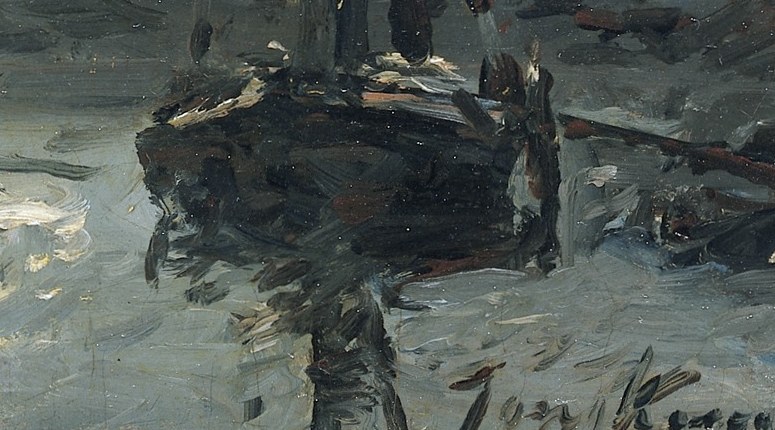
Jongkind, a Dutch painter often regarded as a forerunner of Impressionism, used loose, spontaneous brushstrokes to convey the ephemeral effects of light and atmosphere. His emphasis on open-air observation and capturing fleeting moments profoundly influenced younger artists.
This painting invites us to pause and experience the quiet contemplation that Jongkind himself sought in these serene settings. What feelings does this moonlit scene evoke in you?
Details
Transcript
This painter was a recluse, often alone with his art. He sought out quiet places, like this moonlit canal in Overschie. His loose brushwork captures the fleeting light of the night. Even in his calm scenes, human presence is small, solitary. A lone figure on the far bank, almost lost in the darkness. He found solace in these quiet, vast landscapes.