Peasants playing cards by Daniël Boone
Daniël Boone's "Peasants playing cards," painted around 1650, is a vibrant example of Dutch Golden Age genre painting, now at the Rijksmuseum. Boone, a Flemish artist, was renowned for his depictions of everyday life among common folk, often in rustic settings.
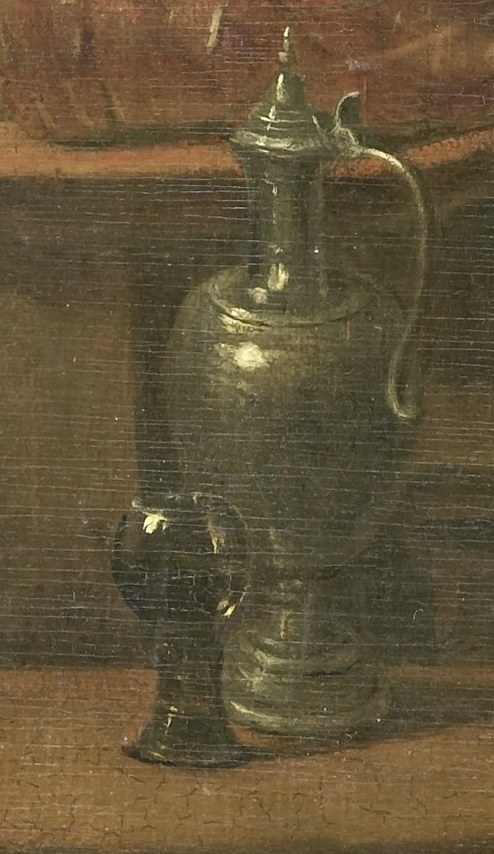
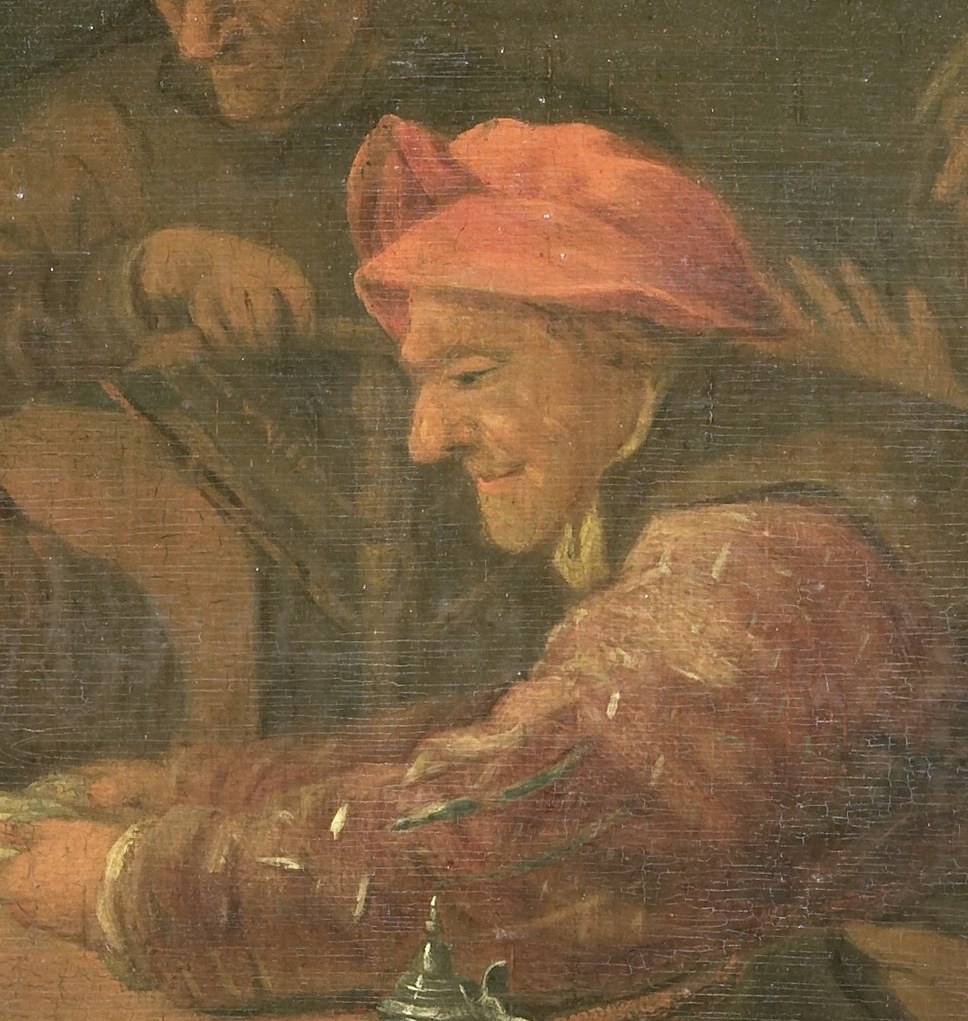
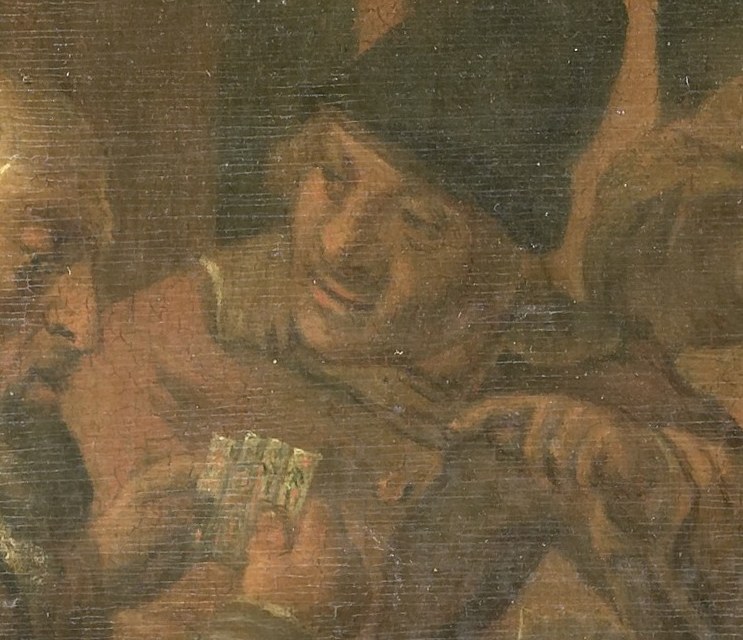
Observe the intense expressions of the players, particularly the man in the red hat whose sly smile suggests a winning hand. The scattered cards and stack of coins vividly illustrate the game in progress, capturing the drama and stakes of 17th-century leisure.
Boone masterfully uses chiaroscuro, with a single light source from a hidden window dramatically illuminating the central figures. This technique, common among contemporaries like Adriaen Brouwer, brings the scene to life. Beyond his painting, Boone also worked as an art dealer, traveling between the Dutch Republic and England.
This painting isn't just a snapshot; it's a peek into social dynamics and the enduring human fascination with games of chance.
Details
Transcript
Meet Daniël Boone, a painter of everyday life in 17th-century Flanders. He often painted common folk at leisure, like these card players. The light highlights the drama, a single window illuminating the scene. Money is changing hands. Notice the stack of coins on the table. This genre scene from 1650 captures the era's fascination with chance. His use of light and shadow emphasizes their intense expressions. Boone specialized in these lively depictions of common life.