Self-portrait of the Artist in his Studio by Luis Paret y Alcázar
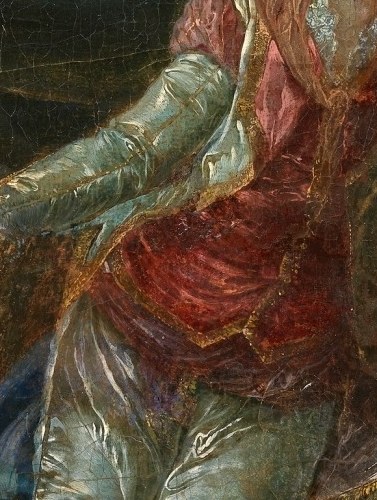
Luis Paret y Alcázar’s Self-portrait of the Artist in his Studio, painted in 1775 and now at the Museo del Prado, subtly references the artist’s scandalous past.
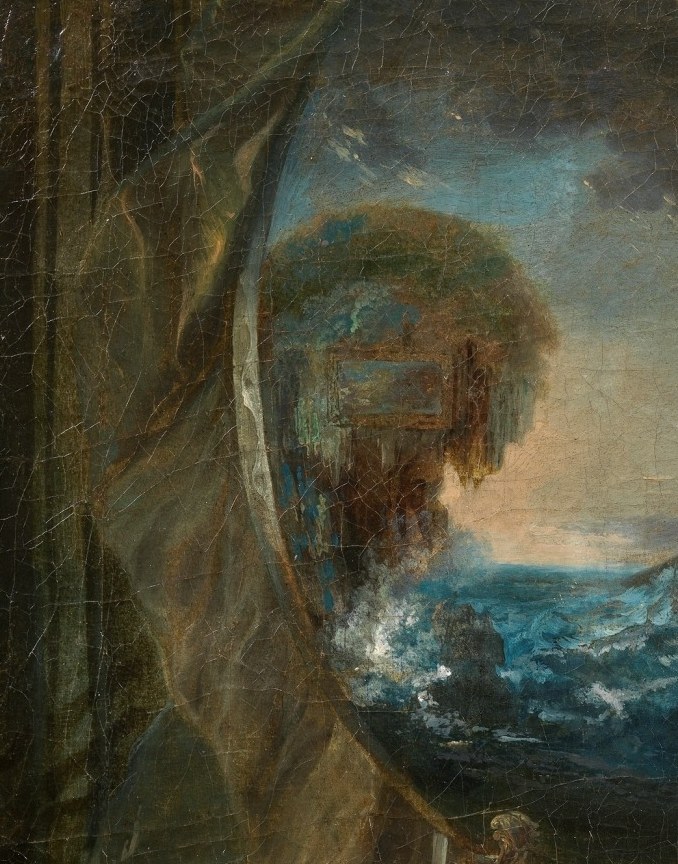
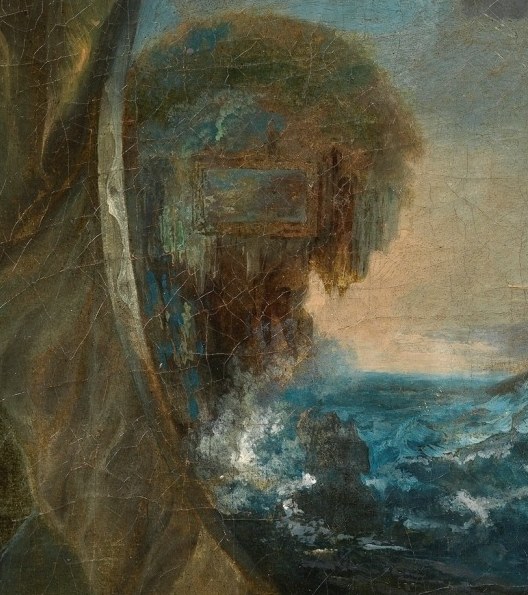
Look closely at the mirror behind Paret. Instead of reflecting his studio as expected, it dramatically depicts a stormy sea with a distant ship. This striking visual serves as a poignant symbol of his forced exile from Madrid.
Paret was banished from the Spanish court for nine years due to his involvement in procuring women for a prince. This painting, created during that period, is not just a depiction of his craft but also a profound personal statement about his predicament. It's a clever way to integrate his personal turmoil into a formal self-portrait.
Artists often embed hidden meanings in their work. What other secrets do you think paintings might hold?
Details
Transcript
This isn't just a self-portrait, it's a cover-up. The artist, Luis Paret y Alcázar, was exiled from court. He was banished for procuring women for a Spanish prince. This painting was made during his nine-year exile from Madrid. The mirror behind him should reflect his studio. Instead, it reflects the stormy seas of his exile.