Moonrise at Sunset by Dwight William Tryon
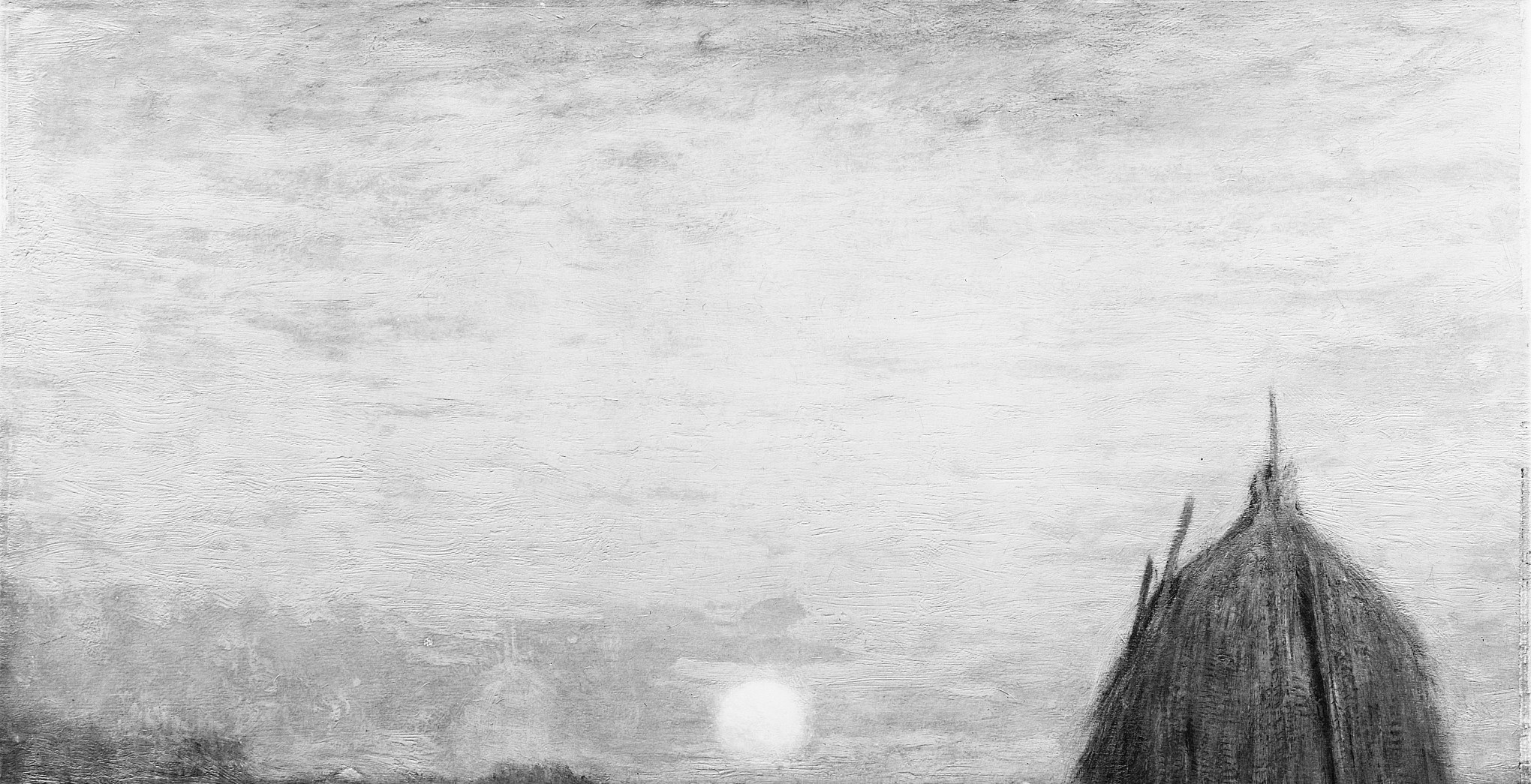
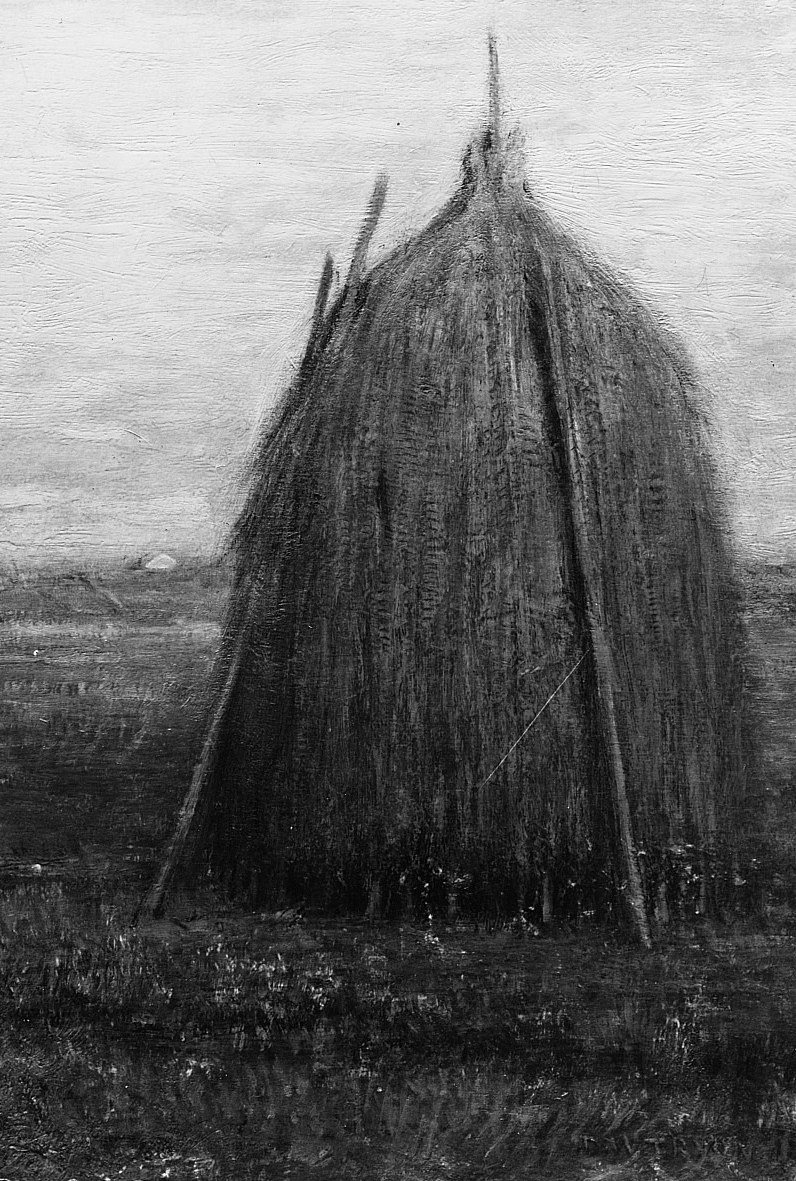
Dwight William Tryon's 'Moonrise at Sunset,' painted in 1896, is a beautiful example of American Tonalism, a style that prioritized atmosphere and mood over realistic detail. This oil painting, now held at The Metropolitan Museum of Art, captures a serene twilight scene with a soft, glowing moon.
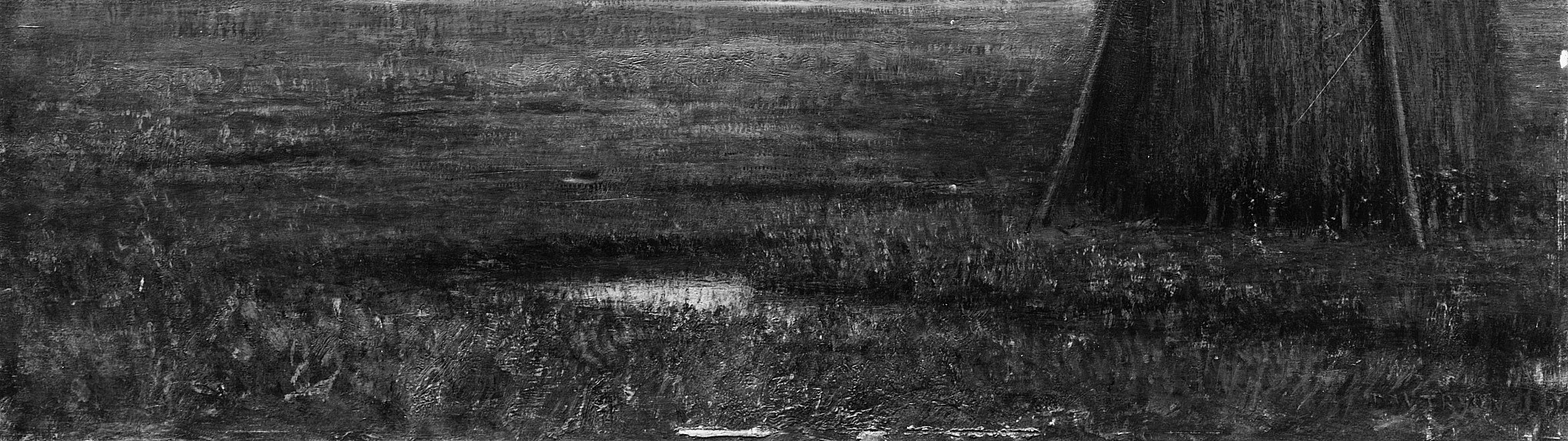
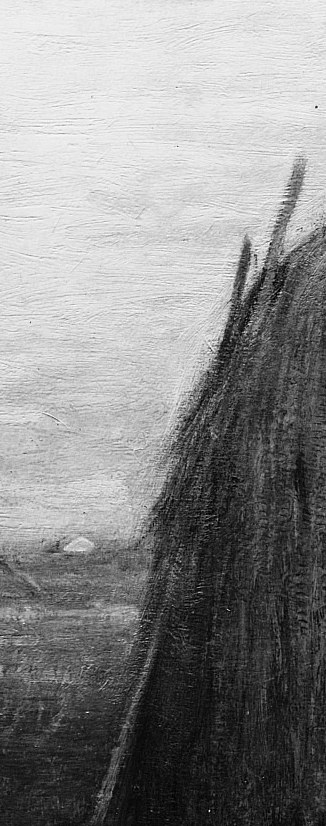
Notice the subtle sky gradient and the luminous rising moon, which casts a gentle light over the muted landscape. The foreground, with its thick impasto, provides a tactile contrast to the diffused, dreamlike quality of the distant hills and horizon.
Tryon, influenced by James McNeill Whistler, developed a distinctive approach to landscape painting. His Tonalist works often featured a restricted palette and emphasized the interplay of light and shadow, creating a contemplative and evocative quality that sometimes challenged contemporary expectations for landscape art.
What feelings does this quiet, atmospheric scene evoke for you?
Details
Transcript
This painter was influenced by the master of subtle effects, James McNeill Whistler. He sought to capture atmosphere, not detail, through soft transitions of light. Look at the rising moon, the central source of light in this twilight scene. Critics sometimes found his style too subdued, lacking traditional narrative. His thick brushstrokes create a tangible texture in the foreground. This work is a quiet example of American Tonalism, a style often misunderstood.