Five O'Clock Tea by Mary Cassatt
View the artwork: Five O'Clock Tea →
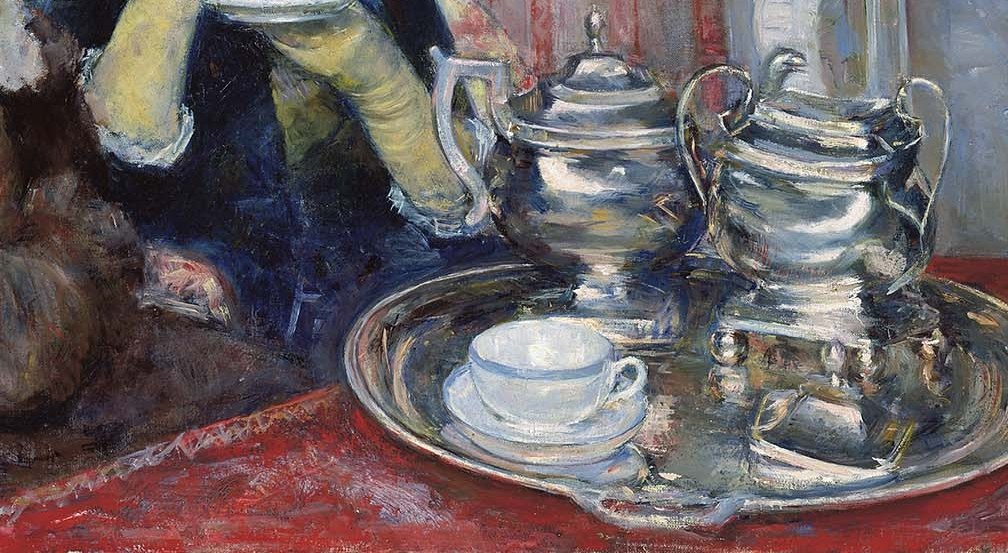
Mary Cassatt's 'Five O'Clock Tea' (c. 1880) is a quiet cornerstone of American Impressionism, and it holds a specific family secret. The silver tea service gleaming at the center of the canvas was an heirloom from the artist's own grandmother. Cassatt has painted a moment from her life, in a room she knew, using objects she had grown up with.
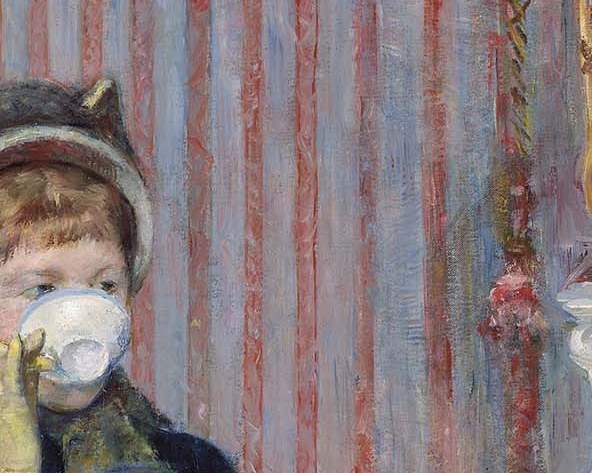
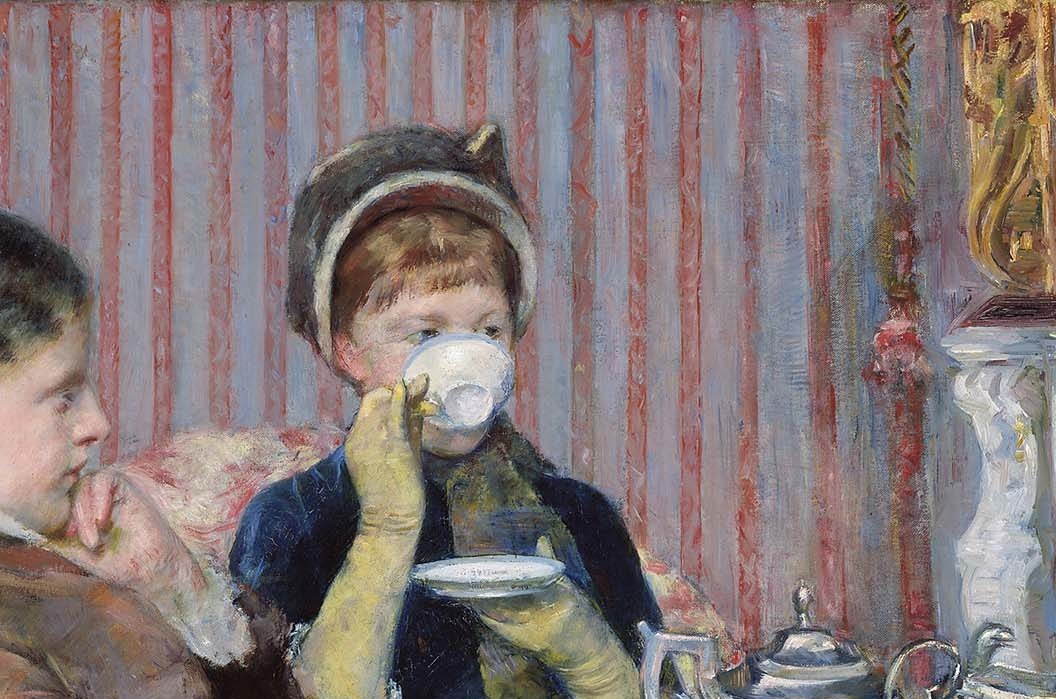
Look at the two women. The figure on the left, shown with her back to us in a fashionable hat, is Cassatt's sister, Lydia. Her face is turned toward her companion, watchful but not yet acting. The other woman raises a teacup to her lips. Cassatt's loose brushwork on the cup's rim and the woman's fingers makes the gesture feel fleeting and alive, captured in a single suspended second.
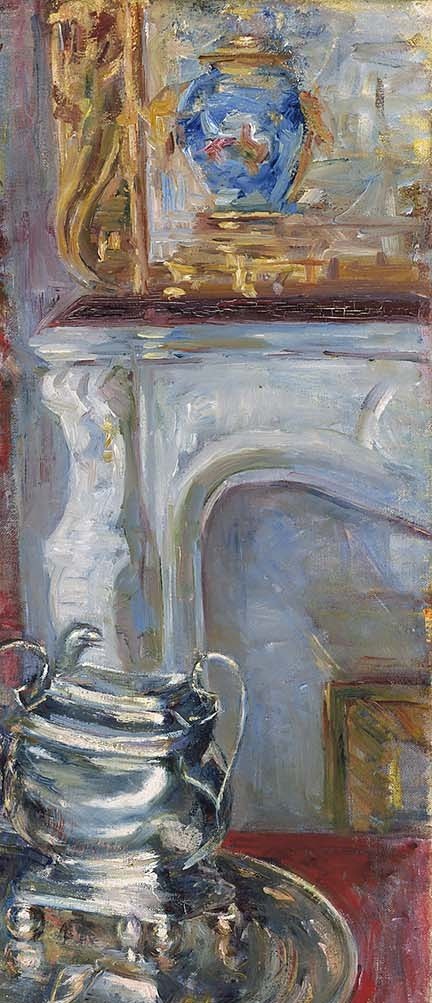
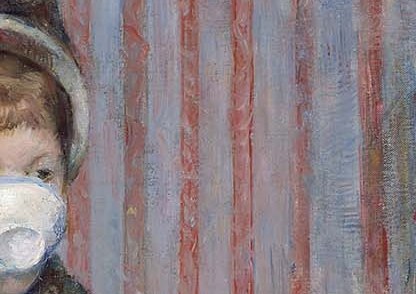
Cassatt was born in Pennsylvania but lived most of her adult life in France, where she befriended Edgar Degas and exhibited with the Impressionists. You can see Degas's influence in the painting's asymmetrical composition and its radical flatness. The afternoon tea was a formal social ritual for upper-middle-class Parisian women, and Cassatt documents it with the precision of an insider, from the Chinoiserie vase on the mantel to the striped wallpaper that art historians still debate as a symbol of domestic enclosure.
The painting lives in a tension between social performance and private self-possession. One woman lifts her cup and seems entirely absorbed in the act, while the other waits. Cassatt spent her career painting women's lives from the inside, and this work asks you to sit with them for a moment and simply watch.
#arthistory #marycassatt #impressionism
Details
Transcript
Paris, around 1880. The ritual is afternoon tea. The silver service was an heirloom from the painter's grandmother. The woman on the left is her sister, Lydia. She watches. Her companion lifts the cup. The gesture is private, self-possessed. Cassatt learned this radical flatness from Degas. The room is fashionable. The clothes are for a social call, not a private moment.